
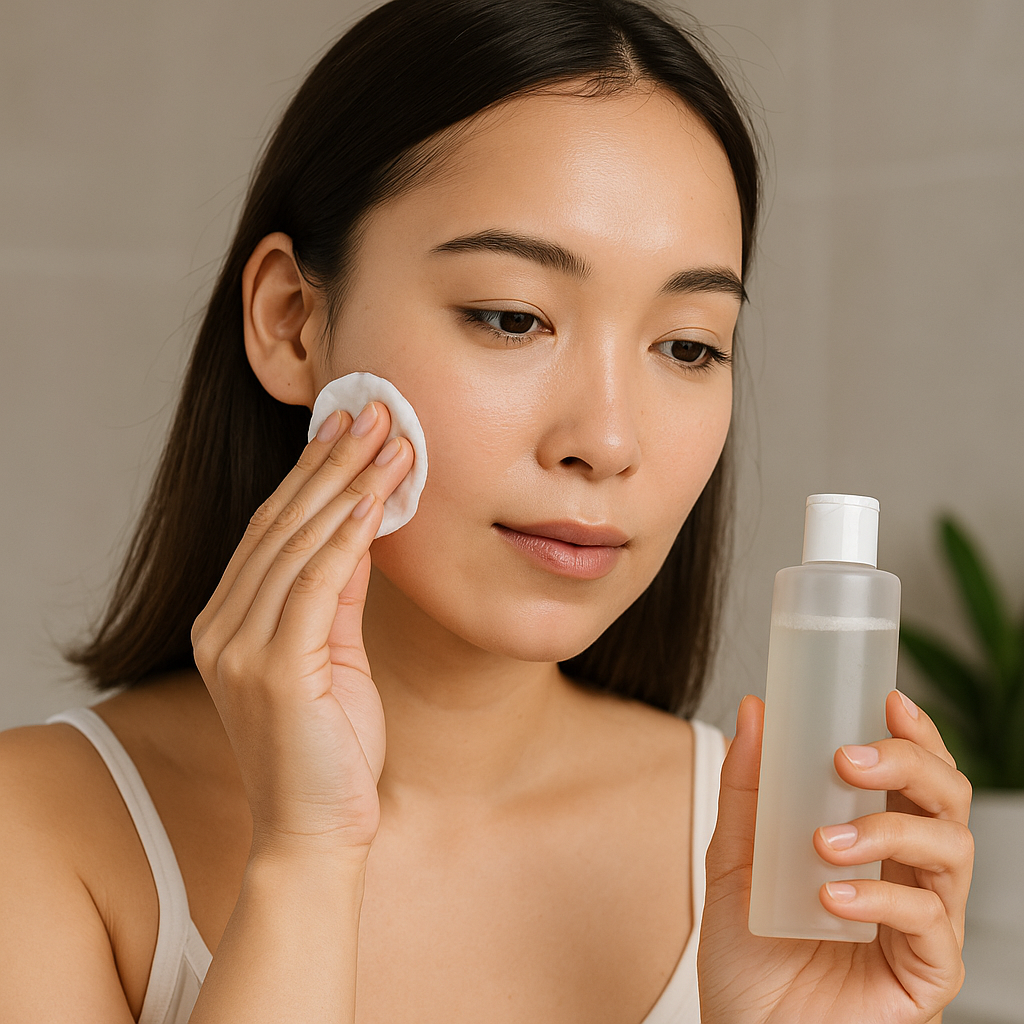
Many are now asking: Do you really need a toner? Is it beneficial, or is it just a leftover trend from the 90s. Toners have long been a staple in skincare routines, often sandwiched between cleansing and moisturizing.
The answer isn’t as simple as yes or no. Like many things in skincare, it depends on your skin’s unique needs, your current routine, and the specific toner in question.
What Is a Toner?
Toners are water-based liquids designed to be applied to the skin after cleansing and before heavier products like serums or moisturizers. Their purpose? Historically, it was to remove any leftover soap residue and rebalance the skin pH after using harsh bar soaps. To answer if do you really need a toner, we first have to understand how these formulas have evolved from harsh alcohols to hydrating essences.
But modern skincare has evolved. Today’s cleansers are far gentler and pH-balanced, which means the traditional role of toner is no longer as necessary. That said, toners themselves have evolved, too, and now serve a variety of purposes beyond just balancing pH.
The New Role of Toners
To figure out do you really need a toner in 2026, we have to look at how they have transitioned from simple astringents to sophisticated products. Modern toners are designed to:
- Add hydration
- Deliver gentle exfoliation
- Calm sensitivity
- Prime the skin to absorb other products more effectively
- Address the look of concerns like breakouts, dullness, or sensitivity
In many skincare lines today, toners can function more like essences, lotions, or light serums, depending on their formulation.
The Benefits of Toners
Toners can be helpful additions to your routine, if chosen wisely and used correctly. When considering do you really need a toner, think about its ability to rebalance skin pH and prime your face for better serum absorption.
Here are some of the real benefits they can provide:
1. Helping Maintain Skin’s Natural pH Balance
After cleansing, your skin’s pH level may shift temporarily. Ideally, skin sits at a pH of around 4.5 to 5.5, which helps bring skin back to its comfort zone and support its natural balance. Even with gentle cleansers, some people find that using a toner helps quickly return the skin to its preferred state.
2. Help Support Skin Hydration
Many toners now contain hydrating ingredients like hyaluronic acid, glycerin, aloe vera, and panthenol. These ingredients attract water to the skin and help lock in moisture, especially when applied before serums and creams.
3. Helps Serums and Moisturizers Work Better
A well-hydrated base can help products apply more smoothly. Think of toner as a first layer of lightweight moisture that prepares the skin for the next steps in your routine.
4. Offers Gentle Exfoliation
Exfoliating toners often include ingredients such as AHAs (like glycolic or lactic acid) or BHAs (such as salicylic acid). These ingredients are commonly used in skincare routines to help refresh the skin’s surface and support a smoother-looking appearance over time.
When used appropriately, these toners are often chosen as part of routines focused on maintaining skin healthy, balance, and an even-looking texture.
5. Soothes Sensitivity and Redness
Toners formulated with calming botanicals like rose water, green tea, centella asiatica (cica), or chamomile can reduce redness or sensitivity, especially after environmental exposure or time spent outdoors.
6. Helps Minimize the Look of Excess Shine
For those with oily or breakout-prone skin, some toners contain oil-balancing ingredients like niacinamide, witch hazel, or zinc to help minimize shine and helps reduce buildup on the skin’s surface.
Types of Toners (And Which One You Need)
Toners are not all the same. Depending on your skin type and goals, you’ll want to choose the right formula.
The decision of do you really need a toner often depends on which type matches your skin: hydrating, exfoliating, or soothing. Here’s a breakdown of the most common categories:
a) Hydrating Toners
These hydrating toners are ideal for dry, dehydrated, or sensitive skin. They focus on increasing water content and preparing the skin to better receive serums and moisturizers.
Look for ingredients like:
- Hyaluronic acid
- Glycerin
- Aloe vera
- Panthenol (Vitamin B5)
- Beta-glucan
Great for: Anyone needing a moisture boost, especially during colder months or after sun exposure.
b) Exfoliating Toners
These exfoliating toners use chemical exfoliants to remove dead skin cells, help minimize congestion, and improve texture.
Common exfoliants:
- Glycolic acid (AHA)
- Lactic acid (AHA)
- Salicylic acid (BHA)
- Mandelic acid (gentler AHA for sensitive skin)
Best for: breakout-prone skin, oily, or uneven skin texture. Should be used 2–3 times per week, not daily, to avoid over-exfoliation.
c) Clarifying Toners
These help to create a more balanced appearance and refine the look of pores. They often have ingredients with skin-balancing and clarifying properties.
Key ingredients:
- Witch hazel
- Niacinamide
- Zinc
- Tea tree extract
Great for: Oily, breakout-prone, or combination skin that feels greasy during the day.
d) Soothing Toners
These focus on reducing redness, calming sensitivity, and supporting a resilient skin barrier.
Look for:
- Centella asiatica (cica)
- Green tea
- Rose water
- Chamomile
- Allantoin
Perfect for: Sensitive, irritated, or reactive skin.
How to Use a Toner Correctly – Step by Step
If you decide that do you really need a toner, knowing whether to pat it in with your hands or use a cotton pad is crucial for results.
Adding toner to your skincare routine is easy, but applying it properly makes a difference.
1. Cleanse
Start by washing your face with a gentle, pH-balanced cleanser to remove impurities without stripping your natural oils.
2. Prep
Gently pat your skin dry with a clean microfiber towel. Avoid rubbing, as this can cause unnecessary friction and irritation.
3. Apply Your Toner
Choose the method that best suits your formula:
- Cotton Pad Method: Best for exfoliating or clarifying toners. Saturate a pad and gently sweep it across the face to help refine texture and remove any stubborn residue.
- Hands Method (Pressing): Ideal for hydrating toners. Pour 3–5 drops into your palms, rub them together, and gently press the liquid into your skin. This mimics the “7-skin method” for a deeper moisture boost.
4. Absorb
Allow the toner to sit for a few seconds. For hydrating toners, move to the next step while the skin is still slightly damp to enhance absorption.
5. Seal
Follow up with your favorite serum and moisturizer. During the day, always finish with a broad-spectrum sunscreen to protect your resu
How Often Should You Use Toner?
Even after you decide do you really need a toner, the frequency of use will change depending on whether your formula is hydrating or exfoliating. It depends on the type:
- Hydrating/soothing toners: Can be used morning and night
- Exfoliating toners: Use 2–3 times per week, ideally at night
- Clarifying toners: Start with once daily and adjust as needed
Is Facial Toner Necessary?
The short answer? No, but it can help.
Toners are not a beneficial skincare step like cleansing or sun protection. The short answer to do you really need a toner is no, it’s not mandatory like SPF, but it can be a powerful tool for specific concerns. However, the right toner can significantly enhance your routine by:
- Boosting hydration
- Preparing your skin for serums and products
- Addressing specific concerns (blemishes, dryness, dullness)
- Improving overall texture and glow
You Might Benefit from a Toner if
There are specific skin signals that help answer do you really need a toner:
- Your skin feels tight or dry after cleansing
- You want to exfoliate gently without scrubs
- Your serum or moisturizer doesn’t seem to absorb well
- You experience redness or sensitivity
- You want to improve glow and softness with minimal effort
Best Practices When Choosing and Using Toners
Once you’ve determined that do you really need a toner, the final step is choosing a formula that avoids harsh alcohols and artificial fragrances.
To get the most out of a toner, keep these tips in mind:
Choose Based on Your Skin Type
Always match your toner to your skin’s needs. A clarifying toner may work wonders for oily skin, but irritate dry or sensitive skin.
Avoid Harsh Ingredients
Especially if you’re sensitive, skip toners with:
- Alcohol
- Artificial fragrance
- Beneficial oils (like citrus or peppermint)
- Menthol
Introduce Slowly
Start by using a new toner once a day or every other day. Monitor how your skin reacts, especially if the formula contains exfoliants or strong ingredients.
Don’t Layer Too Many Ingredients
If your toner has acids (like glycolic or salicylic), avoid using other strong ingredients (retinol, vitamin C) in the same routine unless recommended by a dermatologist.
Don’t Overdo It
One toner is enough, no need to layer multiple types (hydrating + exfoliating + calming) unless you’re an experienced user and know how your skin responds.
The Verdict: Do you Really Need a Toner?
Toners may not be a required step in every skincare routine, but when used correctly, they offer real benefits, from hydration and soothing to exfoliation and enhanced absorption.
Rather than asking “Do I need a toner?”, the better question is: What is my skin asking for? Ultimately, do you really need a toner comes down to listening to your skin and seeing if it needs that extra boost of hydration or gentle exfoliation.
Frequently Asked Questions About Toners
Do I actually need to use toner?
It is not a mandatory step like cleansing or sunscreen. However, it is an excellent ally for those looking to optimize serum absorption or seeking gentle chemical exfoliation. If your skin is already balanced and healthy, you can skip this step without any guilt.
Does toner replace face cleansing?
Never! Toner is meant to care for the skin after cleansing. If you are using it to “remove what the soap left behind,” your cleanser might not be efficient enough. It should always be applied to skin that is already clean and dry (or damp) to work effectively.
Can dry skin use toners?
Absolutely, as long as it is a hydrating toner! Look for ingredients like hyaluronic acid, panthenol, and glycerin. These help retain moisture and eliminate that “tight” feeling some people experience right after washing their face with water and soap.
What is the difference between toner and essence?
The line is thin, but toners focus on balancing pH and refining texture, while essences are more concentrated and focused on deep hydration and repair. Many modern formulas today actually function as a hybrid between both products for better results.
Disclaimer:
This content is for general informational purposes only. Skincare results vary from person to person, and product effects depend on individual skin characteristics. Always consult a qualified professional if you have concerns about your skin or before making changes to your routine.