
Figuring out how to reduce redness on sensitive skin doesn’t mean you need to purchase expensive, aggressive clinical treatments; it simply requires dropping complex steps and letting your epidermal barrier rest. Skin redness is a common and often frustrating skincare concern. Whether it’s an occasional flush or persistent sensitivity, it’s a sign that your skin needs gentle care.
If your face reacts instantly to weather changes, hot water, or active acids, establishing a minimalist routine is vital. Understanding how to reduce redness on sensitive skin through gentle, consistent care is the most reliable way to restore a uniform, healthy complexion without triggering further surface reactivity.
How to Calm Down Reactive Skin?
Pinpointing the exact source of your cutaneous flare-ups is crucial before trying to calm the surface down.
When learning how to reduce redness on sensitive skin, you must evaluate both external factors like harsh surfactants and internal triggers like stress, which directly influence your skin’s daily appearance.
External Triggers
- Overuse of potent ingredients: Acids and retinoids may lead to skin sensitivity.
- Harsh cleansers: Products with sulfates, alcohol, or fragrance may not suit sensitive skin types.
- Weather extremes: Cold wind, low humidity, sun exposure, and sudden temperature changes can cause redness.
- Pollution and environmental stress: Air pollutants can lead to skin sensitivity and redness over time.
- Allergic reactions: Skin reactions to products from cosmetics, detergents, or fragrances.
Internal Triggers
- Stress: Stress factors can affect how your skin looks.
- Diet: Spicy foods, alcohol, and caffeine are known to trigger redness in sensitive individuals.
- Body’s natural cycles: Your skin’s needs may change with your body‘s natural cycles. Many notice their skin behaves differently at various times.
- Persistent skin concerns or sensitivity: Sometimes, redness may be associated with persistent skin concerns, such as skin sensitivity. These should be evaluated by a professional if skin sensations persist.
Pause New Products
When your face becomes unexpectedly reactive, stripping your routine down to a bare minimum is the smartest defensive move.
A fundamental rule of how to reduce redness on sensitive skin is to immediately halt high-strength retinol, vitamin C, and chemical exfoliating acids until your surface clarity returns.
Actions to Take
- Discontinue any product including retinol, exfoliating acids (AHA, BHA), and vitamin C.
- Avoid physical exfoliants such as scrubs, cleansing brushes, or harsh sponges.
- Switch to a minimalist routine focused on equilibrium: cleanser, moisturizer, and sunscreen only.
- If you recently introduced a new product, stop using it to determine if it’s the cause.
- Always patch test products before reintroducing them after a flare-up.
This reset phase may last from a few days to a couple of weeks based on the level of sensitivity, can vary from person to person.
Use a Gentle, Non-Foaming Cleanser
Cleansing is essential, but stripping formulas will severely aggravate an already compromised epidermal layer.
If you want to know how to reduce redness on sensitive skin, switch to fragrance-free cream or milk cleansers that preserve natural lipids rather than harsh gel cleansers that leave the face feeling tight.
Look For
- Cream or milk cleansers are designed for sensitive skin.
- Formulas that are fragrance-free, alcohol-free, and sulfate-free.
- Ingredients like glycerin, aloe vera, colloidal oatmeal, panthenol, and oat extract for their soothing properties.
Avoid
- Gel or foaming cleansers, especially those with SLS (Sodium Lauryl Sulfate) or potent cleansing formulas.
- Cleansers with added fragrance, menthol, or essential oils.
- Hot water, rough washcloths, or harsh towels. Use lukewarm water and pat skin dry gently.
Cleansing twice a day is sufficient. In the morning, a simple rinse with water or a gentle cleanse is enough; at night, cleanse thoroughly to remove sunscreen and environmental pollutants.
Enhance Hydration and Help Reduce Redness
When surface flushing occurs, your tissue demands immediate moisture retention combined with bio-compatible soothing agents.
Focusing your routine on how to reduce redness on sensitive skin involves layering water-binding serums packed with niacinamide, panthenol, and centella asiatica to cool reactivity down.
Beneficial Hydrating and Calming Ingredients
- Niacinamide: Reduces redness, strengthen the outer protective shield e barrier-replenishing, and regulates oil production. Use in low to moderate concentrations (2-5%) to avoid sensitivity.
- Panthenol (Vitamin B5): Deeply hydrating and known for barrier repair and calming properties.
- Centella Asiatica (Cica): Popular for its soothing and calming properties.
- Allantoin: Soothes sensitivity, improves hydration, and promotes epidermal barrier rest.
- Green Tea Extract: Contains antioxidants that calm sensitivity and help shield from daily stressors.
- Beta-Glucan: Provides moisture and reduces redness more effectively than hyaluronic acid in some studies.
How to Apply
- Use serums, essences, or hydrating toners that are alcohol-free.
- Apply using your hands rather than cotton pads to reduce mechanical friction.
- Layer hydration: Start with a watery toner or essence, followed by a serum, and then moisturizer.
Apply a Moisturizer to Support Your Skin’s Balance
Sensitive faces require rich emollient formulas that strengthen the outer protective shield.
Anyone practicing how to choose the best formulas and how to reduce redness on sensitive skin should look for barrier-replenishing ingredients like ceramides, squalane, and cholesterol to lock in deep hydration.
Key Barrier for Skin Rest
- Ceramides: These lipids naturally occur in the skin and are essential for strengthen the outer protective shield e barrier-replenishing.
- Squalane: Lightweight oil that mimics skin’s natural sebum.
- Cholesterol and Fatty Acids: Essential components for strengthen the outer protective shield e barrier-replenishing.
- Shea Butter: Nourishing and soothing for very dry skin (avoid if blemish-prone).
- Oat or Rice Extract: Naturally calming.
Texture Matters
- Gel creams: Better for oily, blemish-prone skin with redness.
- Rich creams: Ideal for dry, tight, or sensitive skin.
Apply moisturizer to slightly damp skin to lock in maximum hydration.
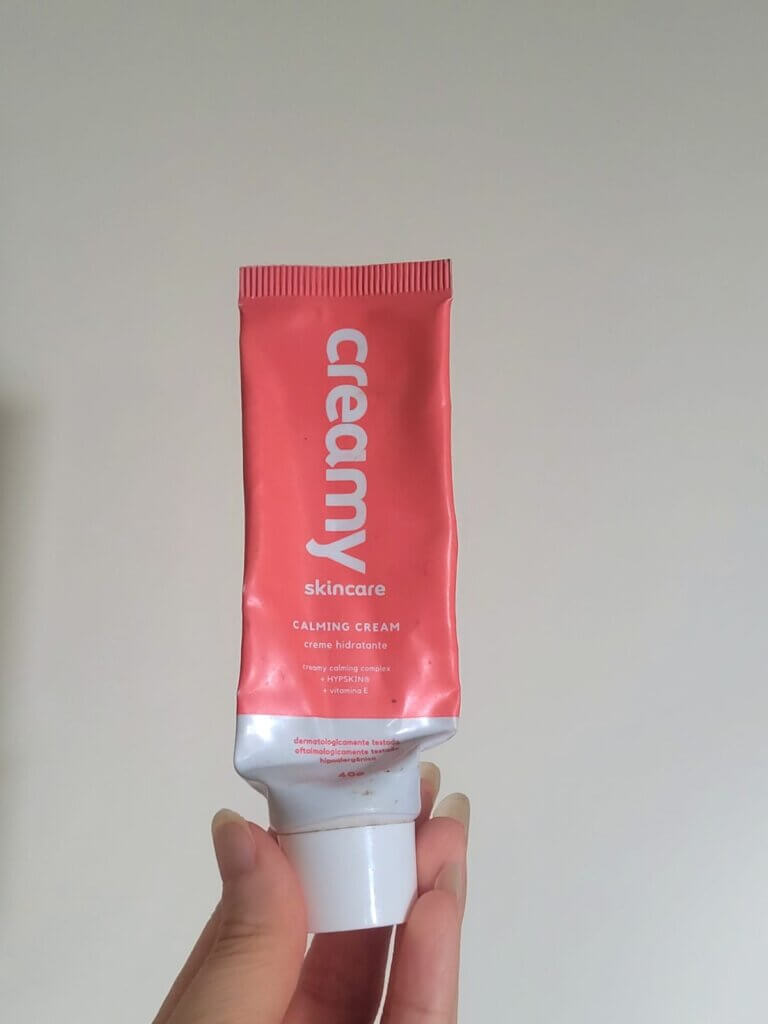
I swear by Creamy’s Calming Cream whenever my skin feels sensitive and irritated, or after using acids. It truly delivers on its promise to soothe the skin. However, if you have oily skin, I’d suggest using it with caution, I’ve seen reports that it can increase oiliness. Since my skin is quite sensitive, it has been a lifesaver for me; I’ve used it so much that it’s almost gone! Haha.
It perfectly fits the strategy of how to reduce redness on sensitive skin because it truly delivers on its promise to soothe.
Protect With a Mineral Sunscreen
Daily UV exposure is a primary catalyst for prolonged cutaneous flushing and cellular stress.
To successfully execute how to reduce redness on sensitive skin, strictly apply a broad-spectrum mineral sunscreen containing zinc oxide, which naturally calms reactive tissue far better than chemical UV filters.
Why Mineral Sunscreen?
- Mineral sunscreens use zinc oxide or titanium dioxide, which are naturally soothing and less likely to sensitive skin compared to chemical sunscreens.
Look For
- SPF 30 or higher with broad-spectrum protection.
- Formulas labeled “for sensitive skin”, free from fragrance and alcohol.
- Lightweight, non-comedogenic options to avoid clogging pores.
Texture Tips
- Tinted mineral sunscreens help neutralize redness with a natural tone-correcting effect.
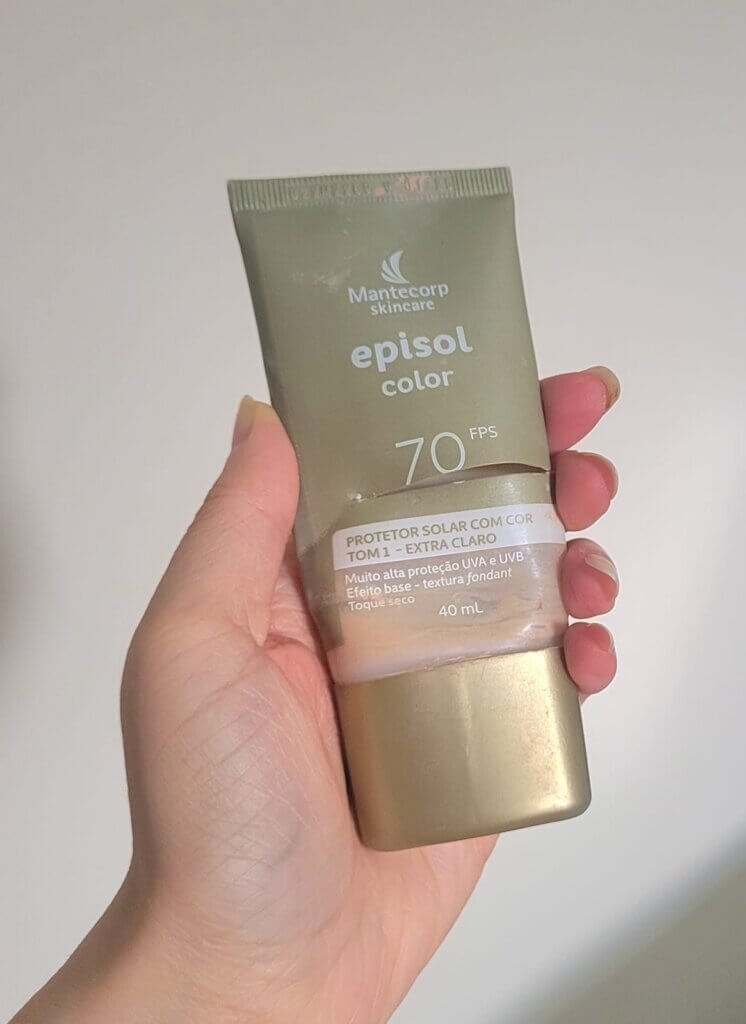
For mineral sunscreen, I absolutely love and recommend Episol Color. It is simply amazing! It leaves the skin with a high-coverage foundation effect and is so practical since it’s a 2-in-1: SPF 70 and foundation. As you can see, it might look like it just came back from a war, I’ve used it so much that there’s barely anything left. I had such a busy week that I didn’t even have time to buy a new one, but I simply couldn’t go a day without it, so I cut the packaging open to get every last drop! Haha.
Lifestyle Adjustments to Reduce Areas of Redness
Watch Your Diet
Certain foods can exacerbate redness in sensitive individuals, including:
- Spicy foods
- Alcohol
- Caffeine
- Processed foods are high in sugar
Incorporate calming foods like berries, leafy greens, omega-3-rich foods (salmon, flaxseeds), and green tea.
Environmental Protection
- In cold or windy weather, apply an extra layer of barrier cream before heading outdoors.
- Use a humidifier indoors to combat dry air that can affect skin sensitivity.
- Avoid saunas or very hot showers during flare-ups.
What to Avoid During Occasional Sensitivity
- Exfoliation: Both chemical and physical exfoliants can affect already existing areas of the skin’s natural equilibrium during periods of redness.
- Products with alcohol, menthol, peppermint, eucalyptus, and fragrance.
- Heavy makeup: Foundation and powders may not allow proper breathability.
- Overwashing: Stick to gentle cleansing twice a day; avoid midday cleanses unless absolutely necessary.
- Overcomplicating your routine: Stick to essentials until the skin calms down.
When to Consider Professional Guidance
If your skin’s appearance doesn’t improve with a minimalist approach, consulting appropriate professionals can provide personalized advice for your specific situation:
- Redness with significant discomfort or flaking.
- Changes in how your skin looks or feels.
- Ongoing skin discomfort.
- If your current routine isn’t meeting your skin’s needs.
In some cases, a dermatologist may recommend personalized approaches or professional care for long-term epidermal barrier rest.
Final Thoughts
Understanding how to reduce redness on sensitive skin is the key to long-term epidermal barrier rest. Redness is often your skin’s way of asking for gentleness, not more potent products. Whether it stems from environmental stress, product overuse, or underlying sensitivity, your approach should be calm, consistent, and focused on strengthen the outer protective shield e barrier-replenishing.
By simplifying your routine, focusing on hydration, selecting gentle products, and using soothing ingredients, your skin can achieve greater comfort. Remember: Effective skincare is about choosing what truly suits your skin’s needs at each moment.
⚠️ Disclaimer: This content is for informational purposes only and focuses on general skincare and beauty routines. It is not a substitute for professional or medical advice.