
Have you ever looked in the mirror and noticed your skin feels tight yet looks shiny? Or perhaps it feels rough, flaky, and uncomfortable, no matter how much moisturizer you apply. If so, you might be dealing with something many people confuse: the difference between dry and dehydrated skin.
These two skin states are often misunderstood, and approaching one as if it were the other can lead to more frustration, wasted money, and ineffective product choices. The good news is that once you understand the difference, you can give your skin more appropriate care.
This comprehensive guide will teach you the real difference between dry and dehydrated skin, how to correctly identify what your skin is experiencing, and the best methods to care for each situation appropriately. Whether your skin is oily, dry, sensitive, or combination, hydration and nourishment are the foundation of a skin’s natural balance.
Dry Skin vs. Dehydrated Skin: What’s the Difference?
Understanding the difference starts with a simple distinction: dry skin is a skin type, while dehydrated skin is a skin state.
They are fundamentally different, though they can occur simultaneously.
What Is Dry Skin?
- Dry skin means a lack of oil (sebum).
- This is a permanent skin type based on how much oil your skin naturally produces. People with dry skin genetically produce less sebum compared to other skin types.
What Is Dehydrated Skin?
- Dehydrated skin means a lack of water (moisture).
- This is a temporary skin concern. Any skin type: oily, dry, combination, or normal, can become dehydrated when the skin loses moisture or when water evaporates faster than it is replenished.
Why the Distinction Matters
Addressing dehydrated skin with oils won’t resolve the lack of moisture, and focusing only on water-based products for dry skin won’t provide the needed nourishment.
When people confuse these two, they often end up overloading with the wrong products, leading to breakouts, more dryness, or skin sensitivity.
How to Know If You Have Dry Skin Face: Knowing the Difference Between Dry and Dehydrated Skin
Dry skin is a permanent genetic type characterized by an inherent underproduction of natural sebum.
When analyzing the difference between dry and dehydrated skin, look for structural signs like a rough, flaky texture and persistent tightness that remain consistent regardless of the season.
Signs of Dry Skin:
- Skin feels rough, flaky, or scaly.
- Tightness, especially after cleansing.
- The appearance of fine lines may be more noticeable due to lack of moisture when the skin feels less supple.
- Dull, ashy, or lackluster appearance.
- Skin rarely (if ever) gets oily or shiny.
- Makeup clings to dry patches and can look uneven.
- May feel sensitive, especially in cold weather.
Common Factors Associated with Dry Skin
Several everyday factors can contribute to skin feeling dry or less comfortable:
- Genetics: Some people naturally produce less sebum, which can influence how hydrated the skin feels.
- The natural aging process: As skin matures, natural oil production may decrease, making dryness more noticeable.
- Weather conditions: Cold temperatures and low humidity can reduce moisture and affect skin comfort.
- Harsh soaps: Cleansers containing strong or drying ingredients may contribute to dryness over time.
- Overwashing: Washing the skin too frequently can reduce its natural oils and impact overall comfort.
How to Know If You Have Dehydrated Skin Face
Dehydrated skin behaves differently because it’s about water loss, not oil.
Even oily skin can be severely dehydrated.
Signs of Dehydrated Skin:
- Skin feels tight, uncomfortable, or easily irritated.
- Appears shiny or oily but feels dry underneath.
- The skin may produce more surface oil to balance the lack of deep hydration.
- Variations in the skin’s appearance, especially when smiling or making expressions.
- Redness, dullness, or uneven skin tone.
- Temporary variations in skin texture or occasional sensitivity.
- Makeup may not wear smoothly and can emphasize skin texture, even with proper moisturizing.
Common Factors Associated with Dehydrated Skin
Elements like genetics, the natural aging process, and low winter humidity drastically lower natural oil production. To align your routine with the real difference between dry and dehydrated skin, you must replace stripping foaming cleansers with creamy, emollient milk formulations that preserve your barrier integrity.
- Lack of water intake: Insufficient hydration from within.
- Over-exfoliation: Excessive use of acids, scrubs, or retinoids.
- Harsh cleansers: Stripping cleansers that affect the skin’s comfort.
- Skipping moisturizer: Especially after cleansing.
- Environmental stress: Sun, wind, dry air, pollution, or air-conditioned environments.
- Hot showers: Prolonged exposure to hot water can evaporate moisture from the skin.
Can You Have Both Dry and Dehydrated Skin?
Absolutely, and it’s very common. You can have skin that produces too little oil (dry) and simultaneously suffers from water loss (dehydrated).
For example, someone with genetically dry skin might also be exposed to cold weather, drink little water, and use harsh products, causing dehydration. Similarly, someone with oily skin might notice that, despite the shine, their skin feels tight and uncomfortable, a sign of dehydration without dryness.
Caring for both concerns usually involves combining hydration and nourishment for better skin comfort.
Moisturizer Recommendation for Dry or Dehydrated Skin
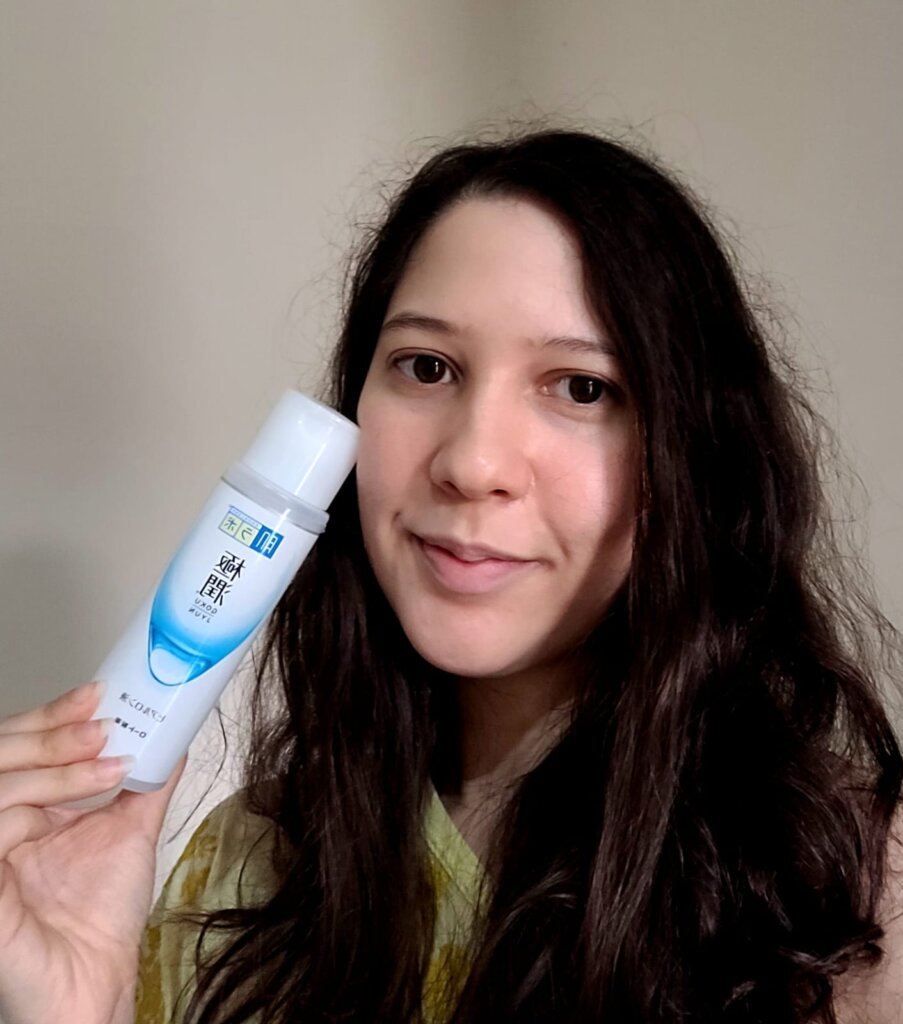
For anyone dealing with dryness or dehydration, Hada Labo’s Gokujyun Lotion is a must-have. This Japanese favorite is perfect for all skin types, providing that deep, intense hydration we all love.
You’ve likely seen me talk about it before, it’s truly my all-time favorite moisturizer!
Final Thoughts
Confusing this two concepts is one of the most common skincare mistakes, but now that you understand the difference between dry and dehydrated skin, you’re equipped to give your skin more suitable care. Whether your skin lacks oil, water, or both, the solution is within reach.
Focus on hydration when your skin feels tight and dull, and nourishment when your skin feels rough, flaky, or constantly dry. Sometimes, the key is layering both: hydrating serums followed by rich moisturizers and nourishing ingredients.
Frequently Asked Questions About Skin Hydration
How should I adjust my daily routine if I suffer from both concerns at once?
The best strategy is lightweight layering. Start by applying water-binding humectants like hyaluronic acid to damp skin to replenish moisture levels. Then, immediately seal it with a ceramide-rich cream to rebuild your protective lipid shield.
Why does dehydrated skin sometimes feel tight yet look extremely oily?
When your epidermal layers suffer from deep water loss, your body triggers a defense mechanism. To stop further water evaporation, it overproduces surface oil (sebum), resulting in a face that feels dry underneath but looks shiny.
Can you effectively treat dehydrated skin by applying natural face oils?
No, because face oils only provide lipids, not water. If you apply heavy oils without knowing the difference between dry and dehydrated skin, the water deficit will remain, and you risk trapping dead cells on the surface, causing congestion.
What is the main biological difference between dry and dehydrated skin?
The core difference between dry and dehydrated skin lies in what the tissue lacks. Dry skin is a genetic type that suffers from an underproduction of natural oils (sebum). Dehydrated skin is a temporary condition where the skin cells lack water.
⚠️ Disclaimer: The information provided in this article is for educational purposes only and is not intended as medical advice or diagnosis. Skincare needs vary from person to person. If you experience persistent redness, irritation, or other skin changes, please consult a dermatologist or qualified professional for personalized guidance.