
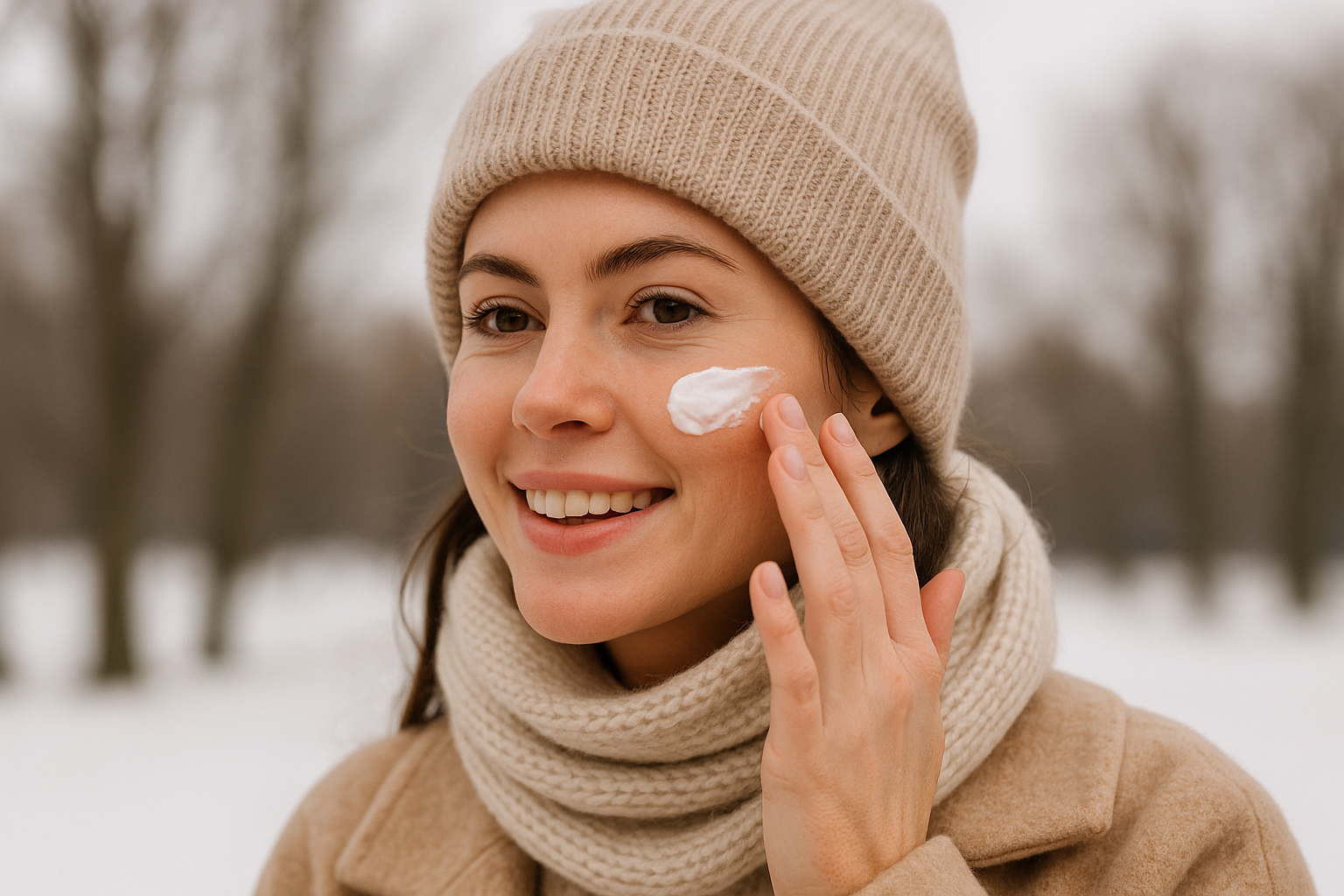
You step outside into the freezing wind only to realize your face feels instantly tight, raw, and dangerously close to cracking. Adjusting your cold weather skincare routine isn’t a luxury meant only for severe climates; it is an immediate rescue mission to stop dry indoor radiators and low humidity from completely draining your cell moisture and leaving you with an inflamed, flaky complexion before lunch.
This guide will walk you through everything you need to know about cold weather skincare: the best winter skincare essentials and habits to avoid, and how to adjust your habits to keep your skin soft and comfortable all winter long.
How Cold Weather Affects Your Skin
Understanding how shifting seasons disrupt your biology is the first step to fixing the damage. Your daily cold weather skincare strategy must address the aggressive environmental drops in humidity that literally suck water out of your tissue, causing fine lines to look twice as deep.
Several environmental and lifestyle changes during colder months contribute.
Lower Humidity Levels
Cold air holds less moisture than warm air. During winter, the humidity drops significantly, both outdoors and indoors (especially when heating systems are in use).
This lack of moisture in the air pulls hydration from the skin, leading to dehydration and flaking.
Indoor Heating
Central heating systems and radiators make indoor air drier, which can make your skin feel tighter or more uncomfortable over time.
Wind and Temperature Changes
Cold winds and sudden temperature shifts, such as moving from a warm indoor space to a freezing outdoor environment, can stress the skin barrier and cause redness and sensitivity.
Cold wind can also make the skin feel more sensitive.
Hot Showers
While a hot shower feels amazing on a chilly day, the high water temperature strips your skin of its natural oils.
Melting under a boiling hot shower strips the exact sebum coat that keeps your skin from peeling. If you want your cold weather skincare efforts to actually work, you must transition to lukewarm water to prevent your protective lipid shield from being completely melted away.
The 3 Main Goals of Your Winter Skincare Routine
Rebuilding your routine requires a complete shift in your daily objectives. A successful approach to cold weather skincare downplays lightweight liquids and focuses entirely on three aggressive targets: infusing deep cellular water, preventing moisture evaporation, and stopping physical friction.
- Hydration: Providing hydration
- Skin comfort: Supporting and maintaining the skin’s natural balance
- Gentle care: Choosing products that support skin comfort and hydration
Let’s break this down into actionable steps.
Switch to a Cream-Based Cleanser
Ditching your summer foaming gels is mandatory if you want to stop your face from feeling like sandpaper. A vital rule for cold weather skincare cleansers is prioritizing rich, milk or cream textures that dissolve dirt while leaving a soothing, non-stripping moisture cushion over your cells.
Instead, opt for a cleanser that gently removes dirt and oil without compromising your moisture barrier.
Key Features of a Winter-Safe Cleanser
- Cream or milk texture
- Non-foaming
- Fragrance-free
- Free of sulfates and harsh surfactants
- pH-balanced
Ingredients like glycerin, oat extract, and aloe vera are ideal. They help soothe while cleansing and support a resilient skin barrier.
Common Winter Cleansing Mistakes to Avoid
- Hot water (use lukewarm water to rinse)
- Over-washing (twice a day is sufficient)
- Towels with rough textures
Even if your T-zone is oily, over-drying your face with harsh surfactants will trigger a rebound grease production. Calibrating your cold weather skincare washes ensures you clean the tissue without causing microscopic tears that later invite severe redness and stinging.
Add a Hydrating Serum
Slamming thick creams over dehydrated skin cells will only cause breakouts without fixing the underlying tightness. To master how to maintain hydration, your cold weather skincare must include a dedicated humectant serum applied directly onto damp skin to flood the tissue with water before you lock it down.
A good hydrating serum contains humectants, which draw water into the skin and help retain it.
Key Hydrating Ingredients
- Hyaluronic acid: A water-binding molecule that hydrates the surface and deeper layers
- Glycerin: Draws moisture from the air into the skin
- Beta-glucan: Helps calm and support sensitive skin
- Panthenol: Pro-vitamin B5, hydrates and soothes
- Polyglutamic acid: Holds even more water than hyaluronic acid
Apply your hydrating serum to slightly damp skin for maximum absorption. Then, follow with a moisturizer to seal in the hydration.
Use a Richer Moisturizer
Gel-creams and fluid lotions will instantly evaporate when exposed to freezing outdoor gusts. Shifting your cold weather skincare to a winter-ready moisturizer means hunting for heavy emollients and occlusives like ceramides and petrolatum that act like a heavy winter coat for your face.
Your skin needs extra support and nourishment to handle the harsh environment.
What Makes a Moisturizer Winter-Ready?
- Occlusives: Create a physical barrier to support moisture loss (e.g., petrolatum, shea butter, squalane)
- Emollients: Smooth and soften skin (e.g., jojoba oil, fatty alcohols, ceramides)
- Humectants: Draw water into the skin (e.g., glycerin, hyaluronic acid)
Look for a moisturizer that contains a balance of all three types. Apply it generously morning and night, and don’t forget often-overlooked areas like the neck, chest, hands, and around the nose.
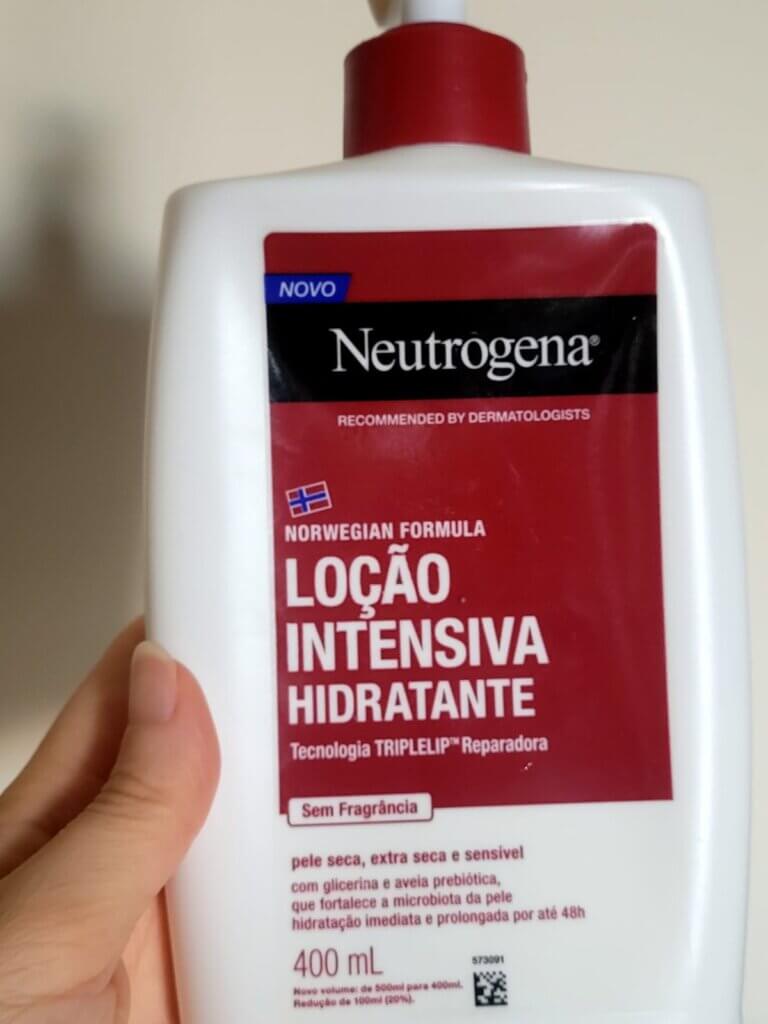
Quick Tip: When winter hits and my skin needs a heavy shield, I borrow a drop of Neutrogena’s Norwegian Formula. Integrating this rich texture into your cold weather skincare routine works miracles on stubborn flaking around the nose, though acne-prone types should apply it with a light hand.
Keep Using Sunscreen
Assuming clouds and snow eliminate UV damage is a massive trap that accelerates premature aging. Continuous cold weather skincare requires a broad-spectrum SPF 30 daily, especially since snowy surfaces act like giant mirrors, reflecting aggressive radiation straight back onto your sensitive cheeks.
Snow can reflect sunlight, which increases your skin’s exposure to UV rays.
Sunscreen Tips for Winter
- Use a broad-spectrum sunscreen with SPF 30 or higher
- Choose a mineral sunscreen if your skin is sensitive
- Apply every morning, even on overcast days
- Reapply if you’re outside for more than 2 hours
Sunscreen should be the final step of your morning routine.
Reduce Exfoliation to Protect Your Skin Barrier
Scrubbing your face when it is already red and compromised from freezing winds is absolute sabotage.
Tweaking your cold weather skincare chemical exfoliants means dropping harsh physical seeds and switching to ultra-gentle molecules like lactic acid or PHAs maximum once a week.
How to Exfoliate in Winter
- Limit exfoliation to 1–2 times a week
- Gentle chemical exfoliants such as lactic acid, mandelic acid, or polyhydroxy acids (PHAs) are commonly found in skincare products.
- Avoid physical scrubs with rough particles
- Consider pausing exfoliation if your skin feels uncomfortable
Follow exfoliation with a rich moisturizer to restore your barrier.
Add a Facial Oil for Extra Protection
Facial oils are especially helpful in winter.
They act as an occlusive layer to seal in hydration and provide an extra barrier against the environment.
Best Oils for Cold Weather
- Rosehip oil (rich in antioxidants and fatty acids)
- Marula oil (lightweight yet nourishing)
- Argan oil (helps maintain skin’s appearance)
- Squalane (non-comedogenic and skin-identical)
You can apply oil after your moisturizer or mix a few drops into your cream. For very dry skin, oils can be used both morning and night.
Use a Humidifier
A humidifier is one of the best tools for combating winter dryness, especially at night when the skin’s moisture levels tend to decrease naturally. It supports moisture in the air, which helps prevent moisture loss from your skin from your skin.
Place a humidifier in your bedroom and run it while you sleep. Ideally, keep indoor humidity between 40–60% for skin and overall comfort.
Extra Protection for Your Most Delicate Facial Areas
Cold weather often affects sensitivity, particularly around the eyes, nose, lips, and cheeks.
These areas require extra attention.
Care Tips for Delicate Areas
- Use a fragrance-free eye cream with peptides or ceramides
- Apply a nourishing lip balm with beeswax or lanolin multiple times a day
- Protect your cheeks with a thicker barrier cream before going outdoors
- Gently pat (not rub) your face dry with a soft towel
Extra Winter Tips For Skin Comfort
- Limit long, hot showers or baths. Stick to 5–10 minutes and use lukewarm water.
- Switch to a balm or oil-based cleanser for makeup removal.
- Wear gloves when outside to protect your hands from the wind and cold.
- Avoid using harsh toners or astringents.
- Store hydrating sheet masks or eye gels in the fridge for a soothing effect.
Final Thoughts
Forget the complex twelve-step routines that only leave your barrier over-processed and inflamed. Surviving the seasonal freeze with a flawless complexion comes down to executing a consistent, barrier-first cold weather skincare routine that seals in moisture, drops aggressive friction, and respects your skin’s changing biological needs.
Pay attention and adapt as needed. Some days may call for more moisture, simpler formulas, or a little extra TLC. Be flexible, be gentle, and be consistent.
Frequently Asked Questions About Cold Weather Skincare
Which facial oils are best for sealing in moisture during the cold season?
Squalane and rosehip oil are exceptional for winter defense. Squalane mimics your skin’s natural sebum, absorbing quickly without clogging pores. Rosehip oil delivers essential fatty acids and antioxidants that repair a damaged skin barrier and smooth out rough dry textures.
Why does the skin around the nose and lips peel so badly during winter?
The skin around the lips and nose is naturally thinner, has fewer oil glands, and is constantly exposed to friction from tissues and freezing wind. Without a thick, protective barrier cream, this fragile tissue quickly dehydrates, leading to raw skin, redness, and peeling.
Can you apply a heavy body lotion on your face to fix winter flaking?
Yes, dense formulas like the Norwegian Formula can rescue extreme facial flaking. However, because body lotions contain rich occlusives designed for thicker skin, you must exercise extreme caution if you are acne-prone, as these ingredients can pool inside facial pores and cause breakouts.
Why does indoor central heating make facial skin feel so tight and dry?
Radiators and central heating systems artificially dry out the indoor air, causing humidity to plummet. This environmental dryness triggers trans-epidermal water loss, physically pulling moisture straight out of your skin cells and leaving your face feeling tight and dehydrated.
⚠️Disclaimer: This article is for general informational purposes only. Everyone’s skin reacts differently. If you experience persistent irritation or discomfort, consider consulting a qualified skincare professional or dermatologist.