
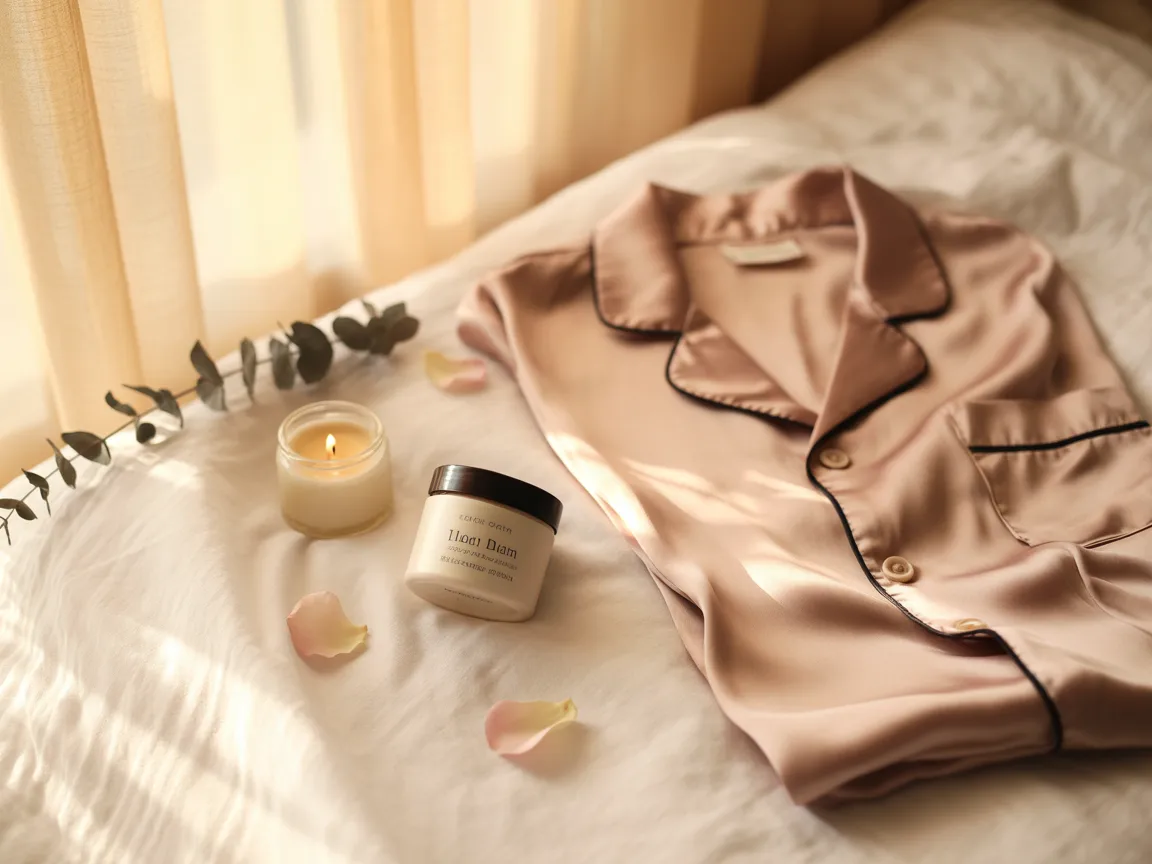
We often talk about skincare as a series of chemical reactions on the surface of the skin. We discuss pH levels, active ingredients, and molecular weights, but there is a silent engine behind every glowing complexion: The Self Care Definition Psychology.
The truth is that even the most advanced formula in the world cannot work if it stays inside the bottle. Understanding the behavioral science behind self-care is what transforms a random collection of products into a sustainable, life-changing ritual.
What is the Real Meaning of Self-Care and Why It Matters?
For a long time, we were told that taking care of ourselves meant buying luxury candles or maintaining an expensive 12-step routine, but true wellness goes much deeper than consumption. When we look at the self care definition psychology, we understand that real self-care is the deliberate, conscious choice to protect your mental peace and restore your energy.
It is about creating a safe, intentional window in your daily life where you stop answering to the world’s demands and focus entirely on honoring your well-being.
My Personal Take
I spent years chasing the next miracle product, thinking that a higher price tag would buy me discipline. It did not. What changed everything for me was when I stopped looking at my bathroom shelf and started looking at my daily clock.
I realized that my skin did not need a expensive cream; it needed me to show up for it every single night, even when I was tired. That shift from fixing to caring was the real transformation.
The Neurobiology of the “Squeaky Clean” Habit
Our brains are wired to seek efficiency through “chunking,” which is the process of turning a sequence of actions into an automatic routine. When you first dive into the self care definition psychology of habit building, trying a ten-step routine right away makes your brain work overtime, often leading to “decision fatigue”.
To fight this, we can use the 2-Minute Rule: If a habit takes less than two minutes, you should do it immediately. By keeping your initial routine under two minutes, focusing only on cleansing and moisturizing, you bypass the brain’s natural resistance to new or difficult tasks.
Once the neural pathway for washing your face is paved, adding a serum later feels effortless.
Building a Skincare “Anchor”
One of the most powerful psychological tools for consistency is Habit Stacking, a concept popularized by researchers in behavioral science.
By anchoring skincare to the self care definition psychology of your existing automated routines, you don’t try to find a new time for your products; you simply attach them to something you already do without thinking.
Practical Examples of Skincare Stacks
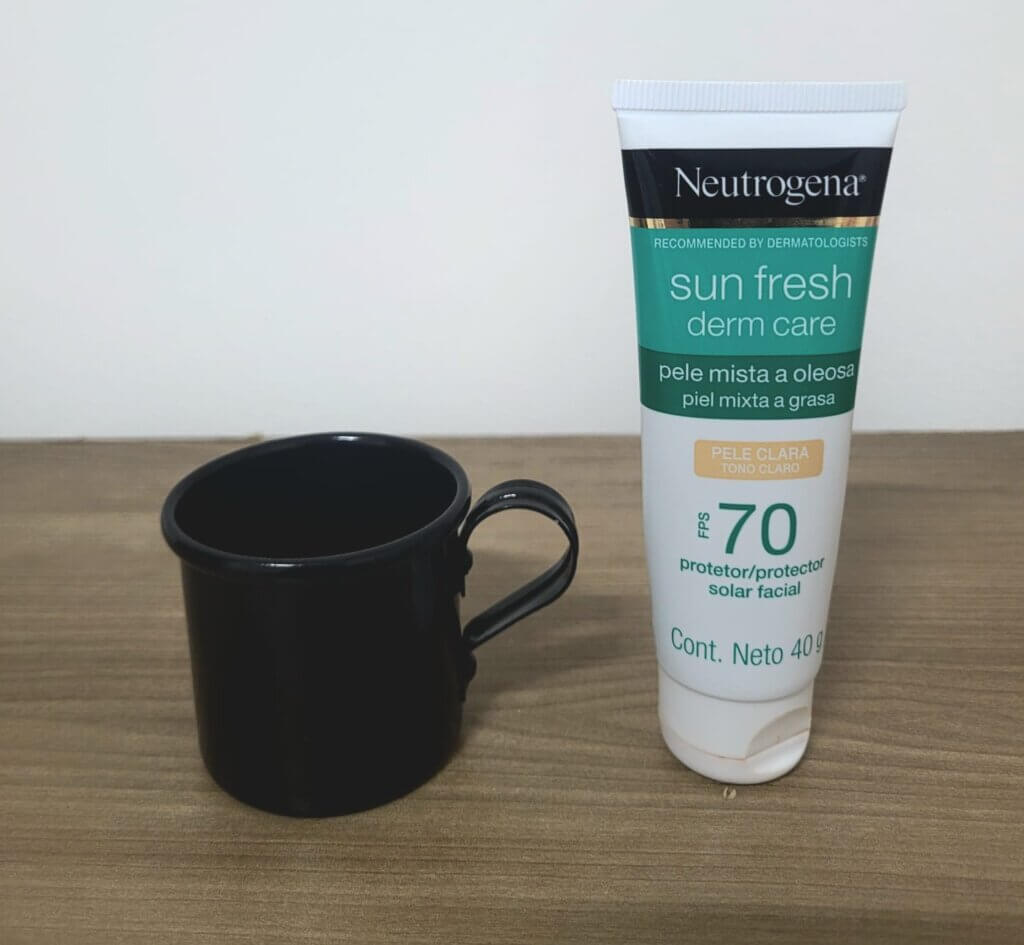
The Morning Anchor:
After you pour your first cup of coffee, you apply your daily sunscreen. You can even keep the SPF next to the coffee machine as a visual cue.
The Evening Anchor:
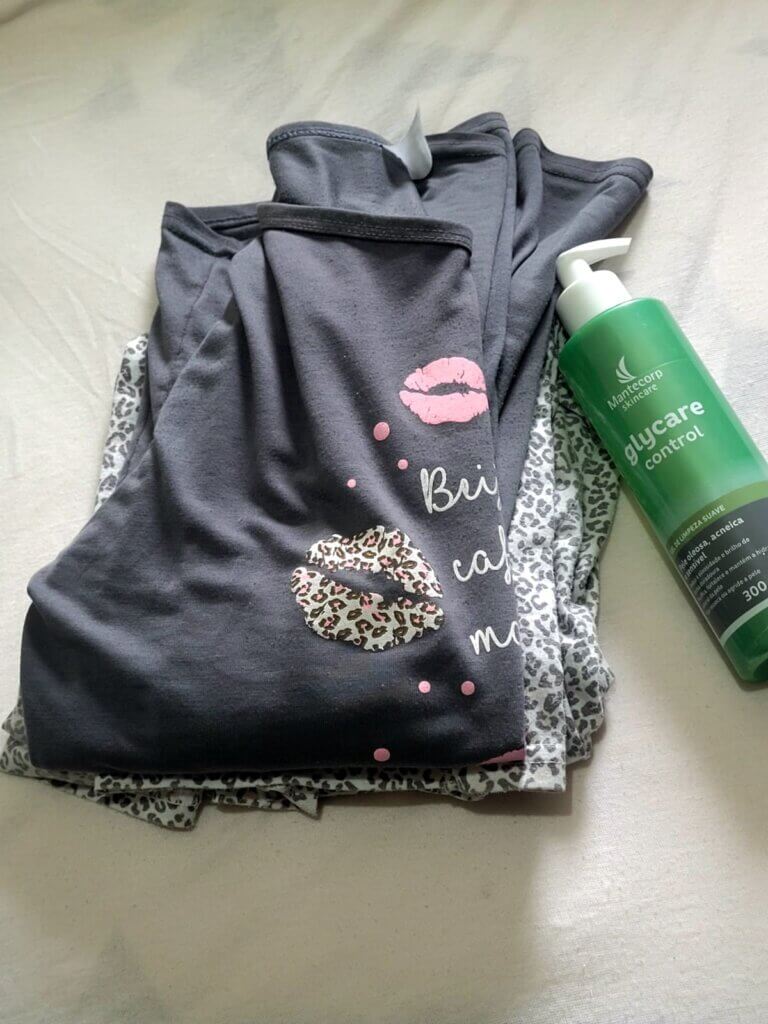
After you put on your pajamas, you immediately do your first cleanse.
The Tech Anchor:
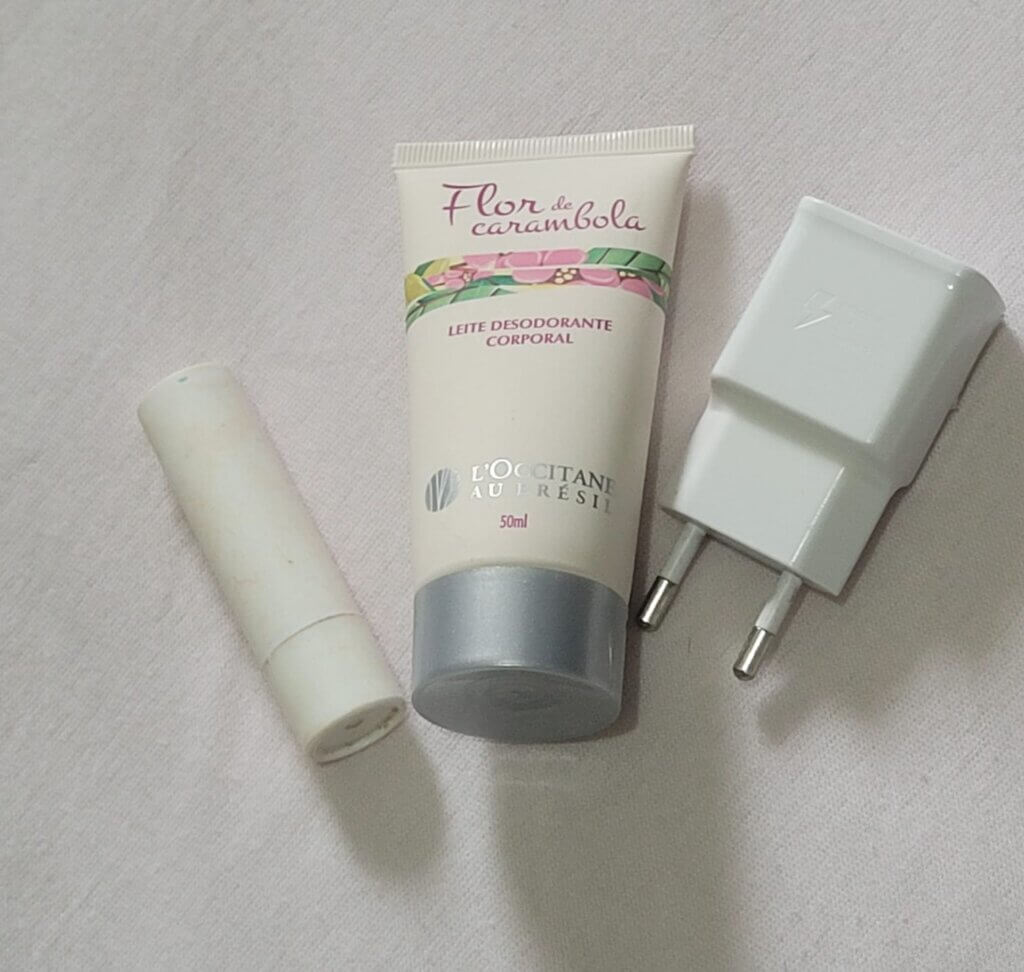
After you put your phone on the charger for the night, you apply your lip mask and hand cream.
Identity-Based Habits vs. Outcome-Based Goals
Most people approach beauty with an outcome-based goal, such as “I want to fix my spots.” The problem is that if the spots do not disappear in three days, the motivation often dies. Looking closely at the self care definition psychology suggests a better way through identity-based habits.
Instead of focusing on the result, focus on the person you are becoming. Tell yourself: “I am the type of person who never misses her evening ritual.” When you shift your identity, your actions follow naturally. You are no longer working on your skin; you are simply acting in alignment with who you are. This reduces internal friction and makes the routine feel like an act of self-respect rather than a chore.
The “Ritual” vs. The “Routine”
There is a massive psychological difference between a routine and a ritual. A routine is a series of steps you do to get a result, while a ritual is a series of steps you do to be present. When we explore the self care definition psychology, we find a massive difference between a routine and a ritual.
- Sensory Awareness: When applying your moisturizer, notice the cooling sensation on your skin and breathe in the scent of your cleanser.
- The Mindfulness Effect: This three-minute window of focused attention lowers your cortisol levels. High cortisol, the stress hormone, is known to negatively impact the appearance of the skin by leading to oiliness or sensitivity. By slowing down, you are supporting your skin’s environment from the inside out.
Breaking the “Comparison Trap”
In the age of high-definition filters, our psychology is under constant attack. We often compare our “behind-the-scenes,” which is our real and textured skin, with everyone else’s “highlight reel,” usually consisting of filtered photos. In the age of high-definition filters, our self care definition psychology is under constant attack.
This creates “Beauty Burnout.” To protect your mindset, consider a digital detox by unfollowing accounts that make you feel inadequate. Focus on progress tracking by comparing your skin to your own Day 1, not to a stranger’s Day 300.
Finally, remember the 80/20 Rule: aim for 80% consistency. If you miss one night because you were exhausted, do not let an all-or-nothing mentality stop you from starting again the next morning.
Summary: Self Care Definition Psychology in Practice
| Psychological Concept | Practical Application |
| Decision Fatigue | Keep products visible and the routine simple. |
| Habit Stacking | Tie skincare to brushing teeth or making coffee. |
| Identity Shift | View yourself as a person who values self-care. |
| Ritualization | Focus on scent and texture to lower stress. |
Final Thoughts
The psychology of beauty is about building a bridge between who you are and who you want to be. By using these behavioral tools, such as habit stacking and identity shifts, you take the hard work out of skincare.
You do not need more motivation; you need a better system. Commit to the process, respect the ritual, and the results will follow naturally.
FAQ (Frequent Questions)
What is the self care definition psychology behind beauty routines?
In psychology, self-care is defined as a conscious choice to engage in activities that support physical and mental well-being. A beauty routine becomes true self-care when it shifts from an outcome-based chore to an identity-based ritual of self-respect.
Can stress and high cortisol affect my skincare results?
Yes. High cortisol levels triggered by stress can compromise your skin barrier, increase oil production, and induce sensitivity. Turning your routine into a mindful ritual actively lowers stress, supporting your skin from within.
What is the 2-Minute Rule in habit building?
The 2-Minute Rule states that when starting a new habit, it should take less than two minutes to do. Focusing only on a gentle cleanser and moisturizer at first helps bypass the brain’s natural resistance to new tasks.