

If you want a glowing complexion all year round, learning how to transition your skincare routine for each season is the first step. Your skin is a dynamic part of you that responds to the environment more than most people realize. While many stick to the same skincare routine year-round, that approach ignores a major factor in your lipid barrier resilience and appearance: the climate.
In this article, you’ll discover how temperature, humidity, and seasonal habits affect your skin, and how to adjust your routine accordingly. You’ll also learn which products to swap, which to keep, and how to build a skincare plan that protects your skin all year long.
My Realization About Seasonal Skincare
I remember feeling so frustrated because my favorite moisturizer suddenly started making my face look incredibly shiny and congested during the summer months! I thought the product had gone bad or that my skin was changing for the worse. It took me a while to realize that the rich cream I loved in the winter was simply too much for the humid July air. That was my big lightbulb moment.
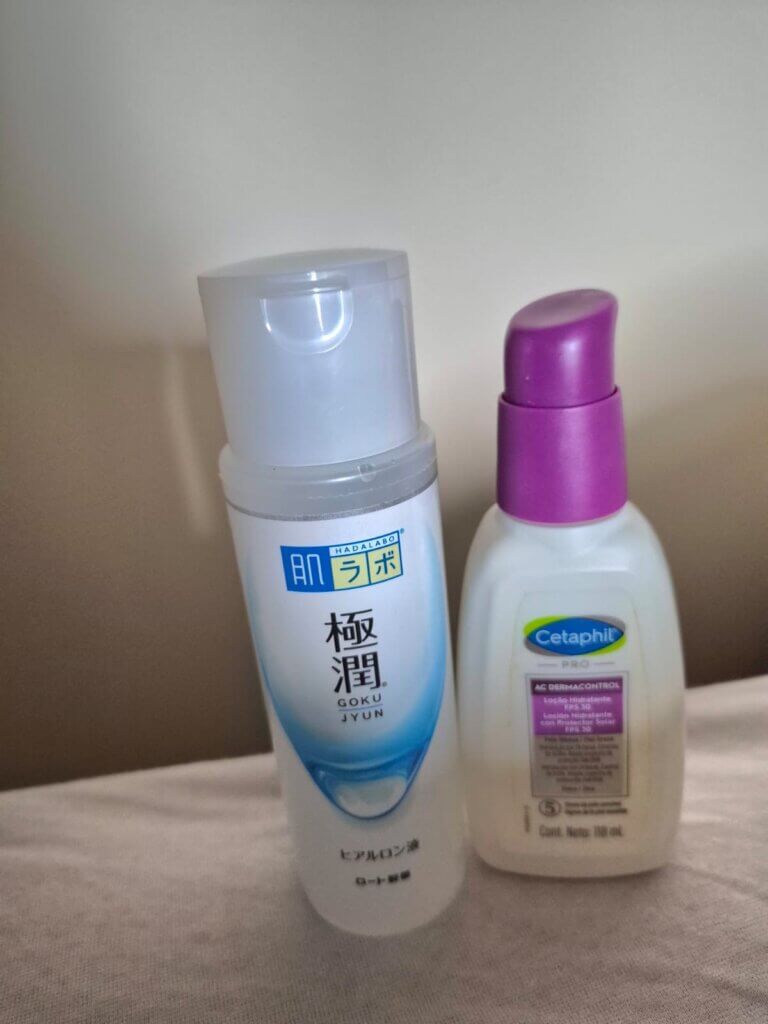
The white bottle is the Hada Labo face lotion, and the purple one is from CeraVe. CeraVe has amazing moisturizers, but they can be quite rich. Even though this one is made for oily skin, it still felt a bit too heavy for me during the summer. Switching to Hada Labo was definitely the right choice! I save my CeraVe exclusively for winter!
Now I treat my skincare routine a lot like my wardrobe. Just like I would not wear a heavy sweater on a tropical beach I do not force my skin to handle heavy oils when it is hot and humid outside. Making these small swaps has made such a huge difference in how comfortable my skin feels throughout the year. That lightbulb moment taught me exactly how to transition your skincare routine for each season without overcomplicating things.
Do You Gotta Change Skincare During Seasons?
Understanding how to transition your skincare routine for each season isn’t just about buying new products; it’s about timing your current favorites to match the weather. Many people blame the wrong product when their skin starts acting up, but the real issue is often timing. That rich, nourishing cream that kept your skin soft in winter? It may feel too heavy once summer hits. The foaming cleanser that controlled oil in July? It could leave your skin feeling tight and uncomfortable in January.
These reactions don’t mean your products are bad, they simply mean your skin’s needs have changed with the season. Skincare isn’t one-size-fits-all, and it certainly isn’t one-season-fits-all.
How Seasonal Changes Affect Your Skin
As you master how to transition your skincare routine for each season, monitoring shifts in humidity, UV intensity, and indoor climate control will help you proactively adjust your layering order before surface dryness occurs.
Several environmental factors shift throughout the year, directly impacting your skin’s condition:
Lifestyle Habits
We tend to take longer, hotter showers in cold months and spend more time in the sun during warmer ones. Even small seasonal shifts in diet, stress levels, or sleep can impact your skin’s behavior.
Temperature
Cold weather may affect circulation and contribute to dryness and reduces oil production, leading to dryness and irritation. Warmer temperatures trigger more oil and sweat, which can cause congestion.
Humidity
Since humidity levels shift drastically throughout the year, knowing how to transition your skincare routine for each season will help you avoid that uncomfortable, sticky feeling in the summer.
UV Exposure
Sun exposure can affect the skin year-round. Even in winter, UVA rays penetrate clouds and windows, which may influence the look of uneven tone or signs of visible aging.
Indoor Climate Control
Heaters in winter and air conditioning in summer strip moisture from the air and from your skin.
By adjusting your skincare with each season, you maintain skin balance proactively instead of trying to restore hydration later.
Spring Skincare: How to Renew and Reset Your Complexion
Spring is the perfect time to learn how to transition your skincare routine for each season, as your skin needs to recover from winter’s environmental shifts while prepping for more sun. After months of cold wind and dry air, your skin in spring is often in recovery mode.
This season is all about rebuilding moisture, increasing radiance, and prepping for more sun.
Common Spring Skin Concerns
- Dullness from winter buildup
- Dry patches, especially around the nose and mouth
- Increased oil production as temperatures rise
- Irritation from environmental factors
What to Add or Adjust
- Use a gentle exfoliator two to three times a week to remove buildup and improve texture: Gentle exfoliants are great options, or try enzyme exfoliants for a softer approach.
- Swap thick creams for light moisturizers: Spring brings more moisture to the air, so you can transition to gels or emulsions that hydrate without leaving residue.
- Consider using daily sunscreen: Sun intensity increases in spring. Even if it’s cloudy, apply SPF 30 or higher every morning.
- Consider adding a vitamin C serum: It brightens, evens skin tone, and helps support the look of skin exposed to pollution and sunlight.
- If spring affects your skin: Choose calming ingredients like chamomile, green tea extract, or centella asiatica.
How to Change Skincare Routine for Summer?
When the temperature rises, knowing how to transition your skincare routine for each season becomes important to clogged pores and excessive shine.
Summer means heat, sun, humidity, and sweat. Your skin may feel oilier, more reactive more easily. This is when sun protection and lightweight hydration become essential.
Common Summer Skin Challenges
- Increased oiliness and shine
- Congestion from sweat and product buildup
- Uneven tone and sun-related marks
- Redness or irritation from heat
Key Routine Changes
- Switch to a gel or foaming cleanser to: Remove sweat, sunscreen, and excess oil. Consider cleansing twice daily if your skin feels congested.
- Use a lightweight, oil-free moisturizer with ingredients like: Aloe, glycerin, or hyaluronic acid. Even oily skin needs hydration.
- Make sunscreen your top priority: Use SPF 30 or higher, reapply every two to three hours, and choose water-resistant formulas for outdoor activities.
- Incorporate niacinamide to: Help balance oil production, strengthen your skin barrier, and soothe sensitivity.
- Keep a cooling mist or thermal spray in your bag for: Refreshing during hot days.
- Exfoliate gently with gentle exfoliating ingredients if: You’re prone to clogged pores, but avoid overdoing it, especially if you’re in the sun often.
- Avoid heavy makeup: Choose breathable, non-comedogenic formulas or swap foundation for tinted sunscreen or powder SPF.
Fall Skincare: Nourishing and Protecting Your Skin Barrier
As summer fades, your skincare should shift focus. Fall is the bridge between seasons, and knowing how to transition your skincare routine for each season during this time helps prevent winter dryness.
What Happens to Your Skin in Fall
- Dryness and dehydration begin to set in
- Skin feels tighter, especially after cleansing
- Summer dark marks may become more noticeable
- Wind and cooler air trigger redness and sensitivity
Skincare Moves for Fall
- Switch to a creamy or milk cleanser that: Comforts your skin and reduces the chance of over-cleansing the outer layer.
- Layer hydrating products: Start with an essence or toner, then apply a humectant serum like hyaluronic acid, and finish with a richer cream.
- Add ceramides and fatty acids to help strengthen and support your skin barrier: These ingredients replenish essential lipids, fortifying and protecting the outer layer of skin.
- Use facial oils if your skin feels dry: Rosehip, jojoba, or marula oils are lightweight and absorb easily.
- Gently reintroduce products: Start slow, once or twice a week.
- Use exfoliants like lactic acid or polyhydroxy acids: To help improve the look of uneven tone without causing sensitivity.
Winter Skincare: Proactive Steps to Soothe Dryness
Part of learning how to transition your skincare routine for each season involves layering hyaluronic acid under thick, occlusive moisturizers containing shea butter or ceramides to shield against temporary surface stiffness.
Winter is the harshest season for your skin. Cold air, wind, and indoor heating all draw moisture away from your skin, leading to dryness and visible flakiness.
Typical Winter Skin Problems
- Flaky or rough texture
- Itchiness and tightness
- Redness and sensitivity
- More visible skin may look less plump
How to Winter-Proof Your Skin
- Use a balm or milk cleanser that cleans without drying: Avoid harsh foams or soaps.
- Switch to thick, occlusive moisturizers with shea butter, petrolatum, or ceramides: These seal in hydration and help maintain a healthy skin barrier.
- Apply a hydrating serum underneath your moisturizer to keep water in the skin: Look for hyaluronic acid, panthenol, or urea.
- Use a humidifier: In your bedroom or work area to combat dry air from heaters.
- Avoid long, hot showers: Use warm water and limit time to protect your skin’s natural oils.
- Cut back on exfoliation: Once a week is enough unless your skin handles more.
- Use overnight masks or thick night creams: To deeply nourish while you sleep.
Consistency is Key: What Should Stay the Same All Year
While learning how to transition your skincare routine for each season optimizes your results, certain foundational steps must never change.
Some steps should be skipped, no matter the season. They’re the foundation of healthy skin:
- Always cleanse your skin daily: Use a cleanser suited to your skin type and season, but don’t skip cleansing, especially if you wear sunscreen or makeup.
- Moisturizing is always necessary: Whether it’s a light gel or a rich cream, all skin types need hydration.
- Many people choose to use sunscreen year-round, as UVA rays are present in all seasons: UVA rays are present year-round and pass through clouds and windows. Use SPF 30 or higher, even in winter.
- Listen to your skin: It’s normal for your skin to need different things from week to week. Stay flexible and adapt as needed.
- Don’t change too many products at once: Gradual adjustments help avoid reactions.
Final Thoughts
You don’t have to buy dozens of new products four times a year. With just a few strategic changes: swapping cleansers, adjusting moisturizers, layering hydration differently, you can keep your skin balanced, resilient, and radiant in any season. When you know how to transition your skincare routine for each season, you support your skin barrier’s comfort and help it feel balanced in changing environments.
Understand your skin. Pay attention to how it responds to the environment. Keep your core routine simple and adjust based on real, visible needs. Even when you master how to transition your skincare routine for each season, remember that consistency with sunscreen and cleansing remains your top priority.
Disclaimer: This article provides general skincare information and is not medical advice. If you have persistent irritation or concerns about specific products or skin reactions, consider consulting a licensed dermatologist.