
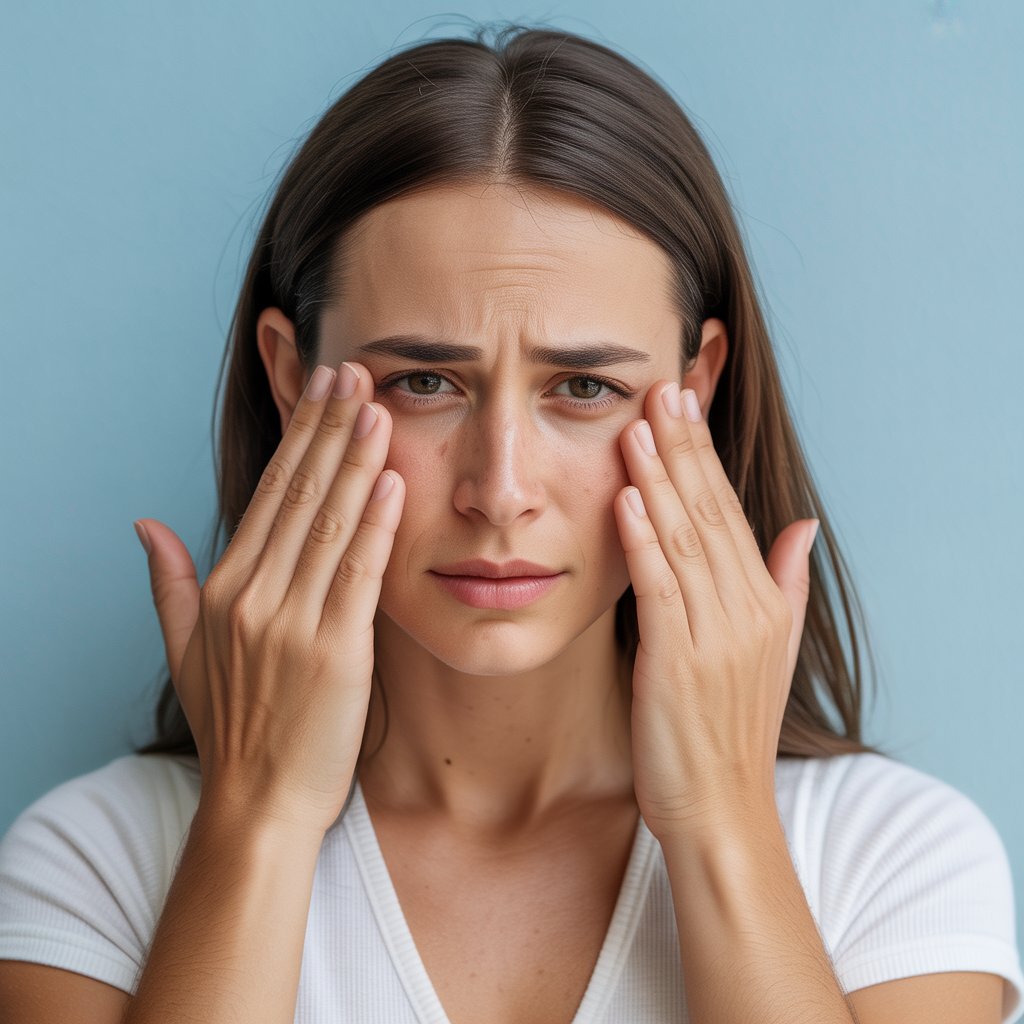
Understanding how stress impacts your skin is the first step toward a truly holistic beauty routine that goes beyond topical products. Your skin isn’t just a surface, it’s one of your body’s most visible protective layers and a natural reflection of how you feel. While it’s easy to attribute a breakouts to a product or changes in weather, your body’s overall stress levels can also play a role in how your skin behaves.
From hormonal shifts to slowed surface renewal, learning how stress impacts your skin gives you the power to recognize early visual cues, adjust your regimen with targeted care, and support your lipid barrier from within.
Effects of Stress on Skin
The biological connection between mind and complexion manifests in distinct ways. When evaluating how stress impacts your skin, several key changes occur on the surface.
Here are the main ways stress shows up on your skin:
Excess Sebum Production
When cortisol levels rise, your sebaceous glands can become more active. Some people may notice increased oiliness, and contribute to breakouts. For people already prone to breakouts, even moderate stress can trigger reactions.
Redness in the Skin
Chronic stress can influence internal processes in ways that may affect how your skin behaves. This combination of internal tension and natural skin sensitivity may be linked to increased redness, visible irritation, or heightened sensitivity for people who already tend to react easily.
Redness also makes skin more sensitive and reactive to products that would normally be well-tolerated.
My Own Stress and Skin Cycle
For a long time, I used to treat my skin like a separate entity from my mind. When I would see a sudden breakout or patches of redness, my first instinct was to buy a stronger exfoliant or a new mask. It took me several years of observing my own patterns to realize that my skin was actually a very honest messenger. Every time I was pushing myself too hard at work or neglecting my sleep, my skin was the first to wave a red flag.
Now, instead of getting angry at my reflection, I try to listen. If my skin looks dull or reactive, I know it is time to put down the phone, breathe, and prioritize rest. Learning that my skincare routine starts with how I manage my stress was the most important lesson I ever learned in my beauty journey. I finally understood how stress impacts your skin after years of trying to help my breakouts with only topical products.
Why Skin Concerns Seem to Linger Under Stress
Your skin has a natural rhythm for renewal and rebalancing, which is most active during rest. A major part of how stress impacts your skin is the way it disrupts the natural support barrier resilience rhythm, making simple breakouts take much longer to fade than usual. Stress can disrupt this rhythm and your skin’s overall balance. In practical terms, you might notice that:
- Breakouts and irritation seem to stick around longer.
- The appearance of redness or dark marks takes more time to fade.
- Minor sensitivities or dry patches feel like they persist.
- Your complexion can lose its radiance, looking more tired and less even.
How Does Stress Affect the Body Scientifically?
Stress can increase what scientists call oxidative stress in the body. Over time, this internal process is thought to affect how skin looks and feels. When we look at how stress impacts your skin, we see that it acts as a trigger for internal signals like cortisol, which directly affect your skin’s natural protective shield.
Scientific research on how stress impacts your skin reveals that oxidative stress can lead to a duller complexion and less resilient texture over time. You might notice that under prolonged stress:
- Your complexion can appear dull or fatigued more quickly.
- The signs we associate with aging may seem more pronounced.
- Skin may look less firm and feel less resilient.
- Tone and texture can appear less even.
This connection is why managing stress is considered an important part of a holistic approach to maintaining your skin’s radiant complexion.
Signs Your Skin May Be Reacting to Stress
Recognizing the subtle signs of how stress impacts your skin, such as unexpected dry patches or sudden sensitivity, helps you adjust your care before a major flare-up.It’s not always obvious, but your skin can mirror internal stress. If you notice a pattern where these changes coincide with stressful periods, it might be a sign:
- Breakouts appear in your T-zone or along the jawline.
- Skin flushing or looking redder more easily than usual.
- Unexpected dry patches, even without dry weather.
- A general increase in skin reactivity and sensitivity.
- Products you normally tolerate start to sting or irritate.
- Feelings of itchiness, tightness, or visible flakiness.
- Persistent under-eye puffiness or an overall dull, fatigued complexion.
Why Stress Impacts Everyone Differently
Not everyone’s skin responds the same way to stress. Genetics, skin type, age, diet, sleep patterns, and even climate can influence how strongly your skin reacts. Genetics and skin type play a huge role in how stress impacts your skin, meaning one person might get oily while another experiences intense redness.
For example:
- Someone with oily skin may experience clogged pores and breakouts
- Someone with dry or sensitive skin may see redness, flakiness, and irritation
That’s why understanding your own triggers and patterns is just as important as knowing what stress does biologically.
Stress and Skin Concerns
Your skin barrier acts as a protective shield that helps prevent moisture loss and reduces exposure to everyday irritants. During periods of stress, this balance can be affected:
- The outer layer of the skin may become less effective at holding moisture
- Environmental irritants may be more noticeable on the skin
- The surface can appear rougher, flakier, or more uncomfortable
When your skin barrier is affected, it may also become less tolerant of certain active ingredients, increasing the chances of visible react. Beyond the mind: How stress impacts your skin and its natural defenses.
Here are approaches that may help manage the effects of stress on your skin:
Restore Regular Sleep
Sleep deprivation increases cortisol levels and can reduce skin comfort. Aim for consistent sleep routines, ideally 7 to 9 hours per night. Refresh the skin’s appearance while you sleep; it’s not just rest for your brain.
When you prioritize 7 to 9 hours of quality rest, you directly counteract how stress impacts your skin on a cellular level.
When You’re Short on Sleep, You Might Notice
- More noticeable redness or occasional breakouts.
- Skin that feels more sensitive or less resilient.
- Darker, more puffy under-eye areas.
- An overall dull, fatigued complexion.
Tips for Better Sleep
- Maintain a consistent sleep schedule.
- Use blackout curtains or sleep masks to improve sleep quality.
- Avoid screens at least 30 minutes before bed.
- Consider calming bedtime routines such as reading, meditation, or gentle stretching.
- Use a silk pillowcase to reduce friction on the skin and minimize creasing.
Diet and Skin Balance
What you eat can influence how you feel and how your skin looks. Choosing balanced meals with a variety of nutritious foods can be a positive step for your overall well-being, which often reflects on your skin. When you prioritize rest, you are directly managing how stress impacts your skin on a cellular level.
Practice Short Stress Interruptions
Even five minutes of deep breathing or light movement can interrupt internal tension cycles. Managing these internal signals minimizes how stress impacts your skin, specifically by calming the pathways that drive surface redness.
Try:
- Deep breathing exercises: Simple breathing exercises often help reduce feelings of stress and promote relaxation for many people. Box breathing (inhale 4, hold 4, exhale 4, hold 4)
- Movement: Light exercise, like walking, yoga, or stretching, lowers stress hormones
- Creative outlets: Drawing, journaling, or listening to music can help reset the nervous system
- Meditation: Even 5–10 minutes daily improves mood and reduces redness
- Mindfulness apps or body scans.
These habits directly support your skin by calming the systems that cause redness.
Support Your Nervous System
Chronic stress can affect your overall sense of well-being. To support your body’s natural balance, try incorporating habits that build resilience over time:
- Limit screen time before bed
- Prioritize hydration throughout the day
- Schedule breaks from work or responsibility
- Spend time in nature when possible
- Connect socially: even short, positive conversations help
Avoid Picking, Squeezing, or Over-Caring Breakouts
Stress-induced breakouts are frustrating, but attacking them aggressively often backfires.
What to Avoid
- Avoid picking or squeezing breakouts, as this can increase redness, lead to longer-lasting marks, and slow down the skin’s recovery.
- Avoid using multiple targeted products at the same time, as this can be too harsh for the skin. It’s better to use them on alternate days or as directed.
Gentle Approach to Breakouts
- Spot products: Use products with targeted care ingredients
- Pimple patches: Hydrocolloid patches work by absorbing excess fluid and creating a protective barrier. This helps flatten the appearance of breakouts and prevents picking.
- Focus on calm: Prioritize products that reduce redness rather than drying the skin excessively.
What Skincare Can (and Can’t) Do During Stress
Topical skincare plays a supportive role, but it’s not a sollution. The right products can help:
- Soothe visible irritation
- Restore moisture to a depleted barrier
- Help with breakouts using gentle care
- Maintain a sense of routine and normalcy
However, even high-quality products may have limited results if sleep, hydration, and stress levels aren’t managed.
Choose skincare that is:
- Fragrance-free and gentle
- Focused on hydration and barrier support
- Minimalist, with a short and effective ingredient list
- Non-reactive, avoid introducing new harsh ingredients during high stress
Final Reflection: Listening to What Your Skin is Telling You
Stress doesn’t just affect your thoughts or your energy. It can leaves traces on your skin, often when you least expect it. But once you understand how and why that happens, you can respond instead of react.
So when your skin starts acting out, pause. Instead of blaming your cleanser or scrubbing harder, ask yourself: What am I carrying that my skin is showing me? That question often leads to the real solution.
Frequent Questions About Stress and Skin
Can stress cause permanent skin damage?
While temporary stress causes short-term reactions, chronic stress can lead to prolonged oxidative damage. This process might accelerate signs of aging over time. Managing your well-being is a vital step in protecting your skin’s long-term resilience and youthful appearance.
Why do I get breakouts only when I am stressed?
Stress triggers a rise in cortisol, which signals your sebaceous glands to produce more oil. This excess sebum can trap bacteria and lead to localized breakouts, especially around the jawline. Understanding how stress impacts your skin can help you manage breakouts with more patience.
Does stress make my existing skin conditions worse?
Yes, stress can heighten your body’s sensitivity and reactivity. If you already deal with redness or dry patches, elevated stress levels can make these conditions feel more persistent and harder to manage. A calm routine is essential to help your skin find its balance again.
Can deep breathing really improve my complexion?
Deep breathing helps lower cortisol and calm your nervous system, which reduces the internal signals that trigger skin redness. While it is not a replacement for skincare, it supports the internal environment where your skin can focus on renewal and maintaining its natural glow.
Disclaimer: This article offers general information about stress and skincare. It is not medical advice. If you have ongoing skin concerns or health-related questions, please consult a licensed healthcare professional or dermatologist.