
Understanding how to read a skincare label is one of the most empowering steps in your skincare journey. Instead of guessing what’s best or buying into marketing hype, you’ll know exactly what to look for and what to avoid. It’s the difference between blindly experimenting and making educated, confident choices.
This guide will walk you through every part of a skincare label, help you recognize the ingredients that truly work, decode confusing terms, and shop smarter for your unique skin type.
Why Reading a Skincare Label Is a Game Changer for Your Routine
Reading a skincare label isn’t just for chemists or dermatologists.
It’s for anyone who wants:
- More radiant complexion through informed choices
- Fewer reactions and occasional breakouts
- A skincare routine that actually works
- Confidence in their product selections
- Less money wasted on ineffective items
Once you learn how to read a skincare label , it becomes second nature, like reading a nutrition label or scanning a menu for your favorite dish.
How I Stopped Falling for Pretty Packaging
I used to be the person who bought every serum that had a beautiful bottle and a “natural” label on the front. I once bought a very expensive botanical oil because the packaging promised it was the ultimate solution for glowing skin, without knowing that it was essential to learn how to read a skincare label. It was only after my face felt incredibly tight and itchy that I finally flipped the bottle over to read the back. To my surprise, the “natural” scent I loved was actually a high concentration of citrus essential oils that my skin simply could not handle.
That was the day I decided to stop trusting the front of the bottle and start to learn how to read a skincare label properly, instead of trusting the aesthetic. Now, I feel so much more confident knowing that I am paying for the ingredients that actually work for my skin, not just for a pretty design on my shelf.
How to Interpret Product Labels?
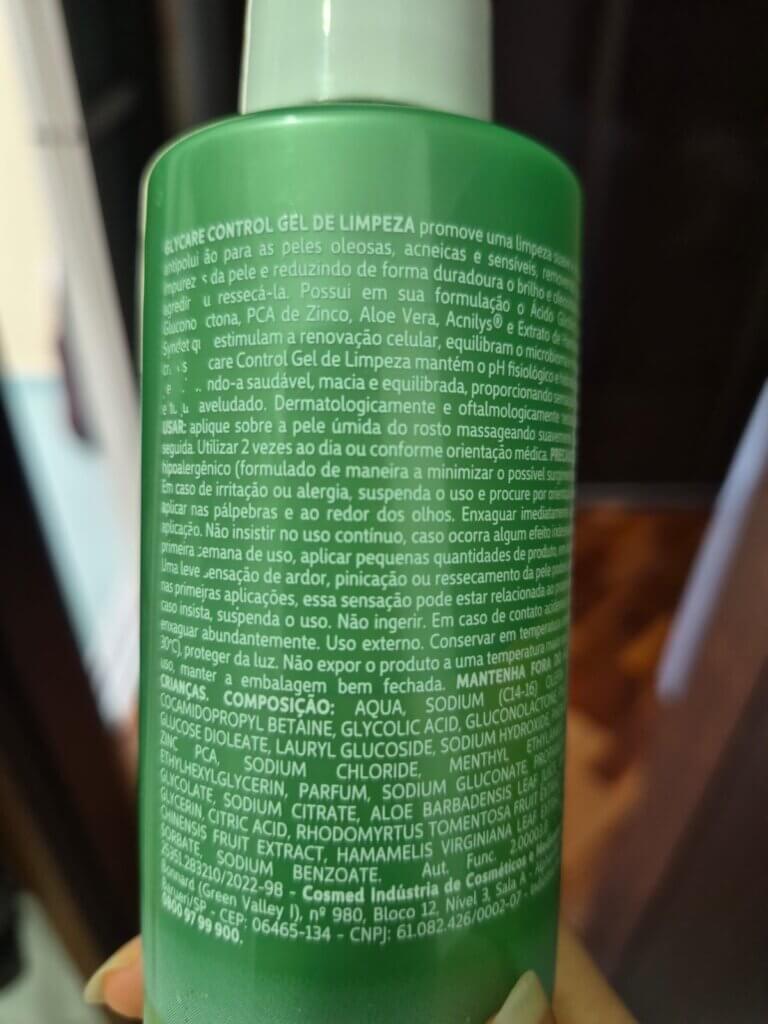
Before diving into the ingredients, let’s simplify how to read skincare product labels by looking at their structure. Here’s what you’ll typically find:
1. Product Name and Claims
This is what grabs your attention first. Words like:
- Hydrating
- Brightening
- Complexion-refining
- Appearance-improving
- Soothing
- Helps reduce the look of visible pores
- Clean
- Natural
- Organic
These words sound promising, but they’re mostly marketing terms, not scientifically backed categories. In many countries, including the U.S., these words are not regulated, meaning brands can use them freely without proof.
That doesn’t mean the product is lying, it just means you can’t rely on these claims alone. Look beyond them to find the ingredients that actually back them up.
2. Decoding the INCI: How to Spot the Real Concentration
The International Nomenclature of Cosmetic Ingredients (INCI) is a standardized way of listing ingredients. A key rule when learning how to read a skincare label is checking the top five ingredients, as they make up the vast majority of the formula.
Here’s how it works:
- Ingredients are listed in descending order of concentration until about the 1% mark.
- After 1%, the rest can be listed in any order.
- The first five ingredients usually make up the bulk of the product.
This means that if a product advertises an ingredient like “retinol” but it’s listed after “phenoxyethanol” (a preservative usually capped at 1%), the amount may be present in very small amounts. This is the most technical part of how to read skincare product labels, but it’s the most important.
Understanding this system helps you see past the branding and spot what you’re really buying.
A Guide to Common Ingredients and What They Actually Do
Part of knowing how to read a skincare label effectively is verifying that hero actives appear near the top of the INCI list or display transparent percentage disclosures.
Labels typically contain a mix of three main categories of ingredients:
1. Active Ingredients
These are often the focus of the product’s intended benefits. They address common skin need, or uneven tone.
These ingredients should ideally be high on the ingredient list or at clearly labeled percentages (like 10% niacinamide or 0.3% retinol).
2. Functional Ingredients
These support the formula’s texture, stability, and shelf life, but don’t have a direct skincare benefit.
Examples include:
- Preservatives – like phenoxyethanol or sodium benzoate
- Emulsifiers – help water and oil mix
- Thickeners – like xanthan gum or carbomer for texture
- Solvents – help dissolve other ingredients
- Fragrance (parfum) – added scent, often synthetic or natural
They’re necessary in many products, but you want to watch out for the potentially sensitizing ingredients for some people, especially if you have sensitive skin. A huge part of mastering how to read a skincare label is identifying potential irritants like drying alcohols or synthetic fragrances.
Ingredients to Watch Out For
Not all skincare ingredients work well for every skin type.
Fragrance
- Often listed as “fragrance” or “parfum”
- May contain dozens of unnamed chemicals
- May lead to surface redness or localized congestion
- Best avoided for sensitive or reactive skin
Drying Alcohols
Bad alcohols include:
- SD alcohol
- Alcohol denat
- Ethanol
- Isopropyl alcohol
These are often used to help products dry quickly, but they may feel drying and affect your skin balance (especially in high concentrations).
Good alcohols (fatty alcohols):
- Cetyl alcohol
- Stearyl alcohol
- Cetearyl alcohol
These are moisturizing and help improve texture.
Essential Oils
Natural, yes, but not always suitable for every skin type.
Potentially oils that may be sensitizing for some people:
- Lavender
- Citrus oils (orange, lemon, bergamot)
- Peppermint
- Eucalyptus
- Tea tree (in high concentrations)
Some people tolerate them well, but if your skin is reactive, it’s best to avoid them.
Comedogenic Ingredients
If you have oily or blemish-prone skin, some ingredients may feel heavy for oily skin, such as:
- Coconut oil
- Isopropyl myristate
- Lanolin
- Algae extract
- Wheat germ oil
How to Decode Ingredient Concentration
While brands are not always required to list exact percentages, understanding how to read a skincare label allows you to make accurate estimates.
If a highlighted active appears after preservatives like phenoxyethanol (typically capped at 1%), its concentration is minimal.
Tips:
- If the ingredient is in the top 5, it’s likely a significant part of the formula
- Ingredients listed after phenoxyethanol are often under 1%
- Claims like “with retinol” are weak if retinol is last on the list
- If the product highlights a “hero ingredient,” it should appear early in the list
Also, look for products that list the percentage of ingredients. This transparency is a good sign of quality and honesty. Once you grasp how to read a skincare label, you’ll see that the top 5 ingredients are where the magic happens.
Marketing Terms vs Reality: What You Should Know
Terms like ‘non-comedogenic,’ ‘hypoallergenic,’ and ‘dermatologist-tested’ can be helpful indicators, but they lack uniform industry standards.
Incorporating how to read a skincare label into your shopping routine ensures you verify whether a formula is truly suitable for surface congestion or delicate skin. Here’s the truth behind common buzzwords:
- Non-comedogenic – Not guaranteed to be pore-safe for everyone; not regulated
- Hypoallergenic – Supposedly less likely to cause reactions, but still unregulated
- Dermatologist-tested – A dermatologist may have reviewed it doesn’t mean approval
- Natural/Organic – Loosely defined; may still contain synthetic or irritating ingredients
- Clean beauty – No consistent meaning across brands; varies widely
Always read the ingredient list to verify these claims. Some brands use these terms as a marketing shortcut.
How to Spot Quality Product
Here’s a quick checklist:
- Active ingredients are clearly listed and appear early in the INCI list
- No strong fragrance or unnecessary irritants
- Packaging protects from air and light (especially for vitamin C or retinol)
- Product has a clear expiration or PAO (Period After Opening) symbol
- Brand offers transparency on ingredient sources or concentrations
- Reviews back up claims, especially from people with similar skin to yours
Smart Shopping Habits
Make it a rule to flip every product over before purchasing, compare INCI lists between similar items, patch-test new additions, and keep your overall routine simple.
Applying how to read a skincare label as a regular habit prevents active overload and keeps your lipid barrier balanced.
- Always flip the product to check the label
- Compare ingredient lists before buying similar items
- Don’t rely on influencers alone, check ingredients
- Patch test before full-face application
- Introduce new products slowly (1 at a time)
- Keep your routine simple to avoid overloading your skin
- Track your skin’s reaction over a few weeks, not just a few days
Final Thoughts: Empowering Your Skincare Choices
Learning how to read a skincare label gives you control. It turns confusing shopping trips into confident choices and helps you make choices that work for your skin or wasted money.
So the next time you pick up a “glow-boosting serum” or “miracle cream,” flip it over. Read the label. Know what’s inside. Because that’s where the truth lives and knowing how to read a skincare label is where better decisions begin.
Frequently Asked Questions About Read a Skincare Label
Does the order of ingredients really matter?
Yes! The first five ingredients usually make up the bulk of the formula. If a “miracle” active is listed at the very end after preservatives like phenoxyethanol, it is present in a very low concentration and might not deliver the results promised on the front of the packaging.
What does the term INCI mean on skincare labels?
It stands for a standardized system for naming ingredients worldwide. It often uses scientific or Latin names, which can be confusing at first. Learning how to read skincare product labels helps you translate these technical terms into familiar actives like Vitamin C or Hyaluronic Acid.
Are “Natural” or “Clean” products always better for my skin?
Not necessarily. These terms are mostly unregulated marketing buzzwords. A product can be “natural” but still contain high concentrations of essential oils that trigger sensitivity. The only way to know if a product is safe for you is to verify the actual ingredient list on the back.
How can I tell if a product will clog my pores?
Look for heavy ingredients like coconut oil or lanolin near the top of the list. While “non-comedogenic” is a common claim, it isn’t a guarantee for everyone. Knowing how to read skincare product labels allows you to spot specific components that might lead to congestion or breakouts.
Disclaimer: This article provides general skincare information for educational purposes only. It is not medical advice. If you experience persistent irritation or have concerns about specific ingredients, consider consulting a licensed dermatologist.