
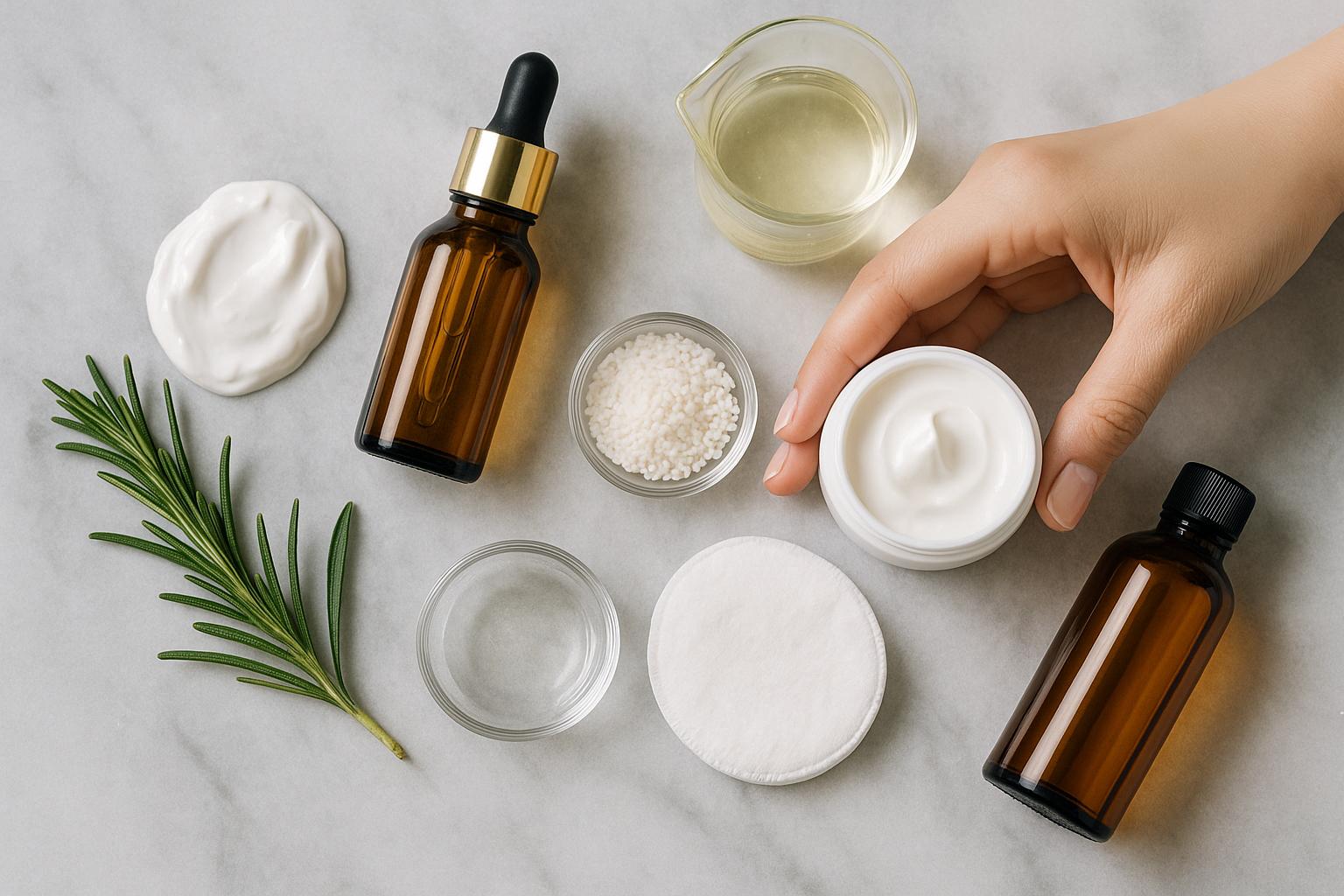
Learning how to layer skincare ingredients correctly is essential as skincare becomes increasingly popular and accessible. While this can be beneficial when done correctly, mixing the wrong ingredients can backfire, leading to temporary flaking or reduced effectiveness, or simply wasted money on ineffective combinations.
In this in-depth guide, I’ll explore skincare ingredients to use with caution, explain why these combinations can be problematic, and offer safe alternatives and routine suggestions for radiance and balanced skin.
Why Ingredient Compatibility Matters for Your Skin Appearance
Skincare formulations contain ingredients with specific pH requirements, absorption rates, and interactions. When certain ingredients are combined improperly, it can result in:
- May affect your skin barrier
- Excessive dryness or oiliness
- May cause redness and mild stinging if overused
- Some ingredients can work less effectively when combined
- Increased risk of blemishes or ongoing sensitivity
Learning how to layer skincare ingredients strategically, and knowing which ones to keep apart, is the secret to an effective routine.
The Value of a Simple Routine
I used to believe that more was better when it came to skincare. I remember a time when I tried to use every single powerful ingredient I owned in the same night, I thought the best way to learn how to layer skincare ingredients was to use everything at once for faster results, but my skin ended up tight and sensitive.
That experience taught me to respect how different ingredients work together. Now I prioritize a more intentional approach by separating my potent actives between morning and night, which keeps my skin looking much more smooth complexion and balanced.
Retinol and Vitamin C (Ascorbic Acid)
Both retinol (a form of Vitamin A) and Vitamin C (typically in the form of L-ascorbic acid) are well-known antioxidants used to help with the appearance of fine lines, brighten the skin, and support the look of firmer-looking skin.
Still, applying both in a single routine often leads to visible sensitivity for most skin types.
Why It’s Best to Use These Ingredients Separately
- pH levels: Vitamin C works best at a low pH (~3.5), while retinol is more stable at a higher pH (~5.5-6). Applying them together can reduce their effectiveness.
- Sensitivity risk: Both ingredients can be may cause sensitivity, especially on reactive skin. Combining them increases the chance of moisture loss.
How to Use Them Safely:
- Use Vitamin C in the morning (it boosts your sunscreen’s effectiveness).
- Use retinol at night as part of your dedicated skincare time, when you can follow with nourishing products without interference from sunscreen or makeup.
- If you want learn how to layer skincare ingredients like Vitamin C and Retinol in your overall regimen, consider alternating days to avoid irritation.
Retinol and AHAs/BHAs
Retinoids and hydroxy acids serve distinct yet complementary roles in improving your skin’s appearance.
While they work differently, they are effective allies when used strategically:
- Hydroxy Acids (AHA/BHA): Provide immediate surface refinement by dissolving dead skin cells and keeping pores clear.
- Retinoids (Retinol): Support the skin’s natural renewal process, encouraging smoother-looking skin over the long term.
Why It’s Best to Use These Ingredients Separately
Combining retinol with acids can cause over-exfoliation. This leads to redness, flaking, increased sensitivity, and potentially affect your skin’s natural balance.
How to Use Them Safely:
- Alternate nights: Use AHAs/BHAs one night and retinol another.
- Limit exfoliating acids to 1–2 times per week if you’re also using retinoids.
- It’s helpful to use sunscreen regularly, especially when using acids or retinol.
Vitamin C and AHAs/BHAs
Vitamin C is a mild acid. When combined with potent ingredients like glycolic, lactic, or salicylic acid, it may not work as well together and can feel irritating for some people.
Why It’s Best to Use These Ingredients Separately
- Layering multiple acids can lower the skin’s pH too much, which may cause temporary flaking.
- They can cancel each other out depending on formulation and pH, reducing the benefits of both.
How to Use Them Safely:
- Use Vitamin C in the morning for antioxidant protection.
- Use exfoliating acids at night.
- Apply at least 12 hours apart to minimize interaction and maximize effectiveness.
Niacinamide and Pure Vitamin C (Ascorbic Acid)
This combination has been debated. Earlier research suggested it was unstable, but more recent studies show it may be safe if formulated correctly.
However, using high concentrations of both separately in a DIY routine can still lead to problems when you layer skincare ingredients at high concentrations.
Why It’s Best to Use These Ingredients Separately
- Combining high levels of niacinamide and ascorbic acid may cause temporary sensitivity in some people.
- They may cancel each other’s benefits when not formulated correctly.
How to Use Them Safely:
- Use Vitamin C in the morning and niacinamide at night.
- Or use a single product that’s been scientifically formulated to contain both.
Retinol and Benzoyl Peroxide
Both are commonly used for help for breakouts: retinol for cell turnover, and benzoyl peroxide can help to clarify pores.
However, using them together is typically a no-go.
Why It’s Best to Use These Ingredients Separately
- Benzoyl peroxide may affect retinol’s stability.
- The combination significantly increases the risk.
How to Use Them Safely:
Instead of trying how to layer skincare ingredients like retinol and benzoyl peroxide at once, many experts recommend separating them between morning and night. For example, certain routines may include benzoyl peroxide at one time of the day and retinoids at another.
This approach is often used to help reduce the potential for irritation, since both ingredients can be quite active on the skin. The best way to combine these or any other potent ingredients depends on professional guidance, as every skin type reacts differently. For this reason, routines should always be personalized with the help of a dermatologist.
Vitamin C and Niacinamide in High Concentrations
This combination is found in many commercial formulas, but caution is needed when layering them from separate sources at high strengths.
Why It’s Best to Use These Ingredients Separately
- May cause dryness on the surface of sensitive skin.
- In rare cases, it can trigger blemishes or redness.
How to Use Them Safely:
- Use one in the morning and the other at night.
- Use lower concentrations when layering manually.
Mixing Multiple Acids (AHA + BHA + PHA)
While it might seem like a shortcut, trying to layer skincare ingredients like AHAs, BHAs, and PHAs all at once is usually overkill for most skin types.
Why It’s Best to Use These Ingredients Separately
- Using too many exfoliants may affect your skin’s barrier resilience.
- Redness, sensitivity, and dehydration are common consequences.
How to Use Them Safely:
- Use different acids on alternate days or use products that contain a gentle blend of acids formulated together.
- Limit exfoliation to 2–3 times a week.
Multiple Potent Actives in One Routine
When you layer skincare ingredients that are highly potent (like retinol, acids, and vitamin C) in a single routine, it can often be too harsh for the skin.
Why It’s Problematic:
- May lead to sensitivity with continued use.
- May lead to unexpected breakouts.
How to Use Them Safely:
- Build your routine around one active ingredient per night.
- Use soothing or barrier-repair products on alternate nights.
Peptides and Acids
Peptides may work best when used separately from acids by low pH environments, like those created by AHAs and BHAs.
Why It’s Best to Use These Ingredients Separately
- Acids may break down the bonds in peptides, making them ineffective.
How to Use Them Safely:
- Use peptides in the morning and acids at night.
- Or use peptides during soothing nights when you’re not exfoliating.
Oil-Based and Water-Based Products (When Layered Incorrectly)
While not inherently dangerous, layering oil before a water-based serum can prevent the serum from penetrating the skin.
Why It Matters:
- Oil creates a barrier that blocks water-based ingredients.
- Results in poor absorption and wasted product.
How to Use Them Safely:
- Always apply water-based serums first.
- Follow with oils or oil-based moisturizers to lock in hydration.
How to Layer Skincare Ingredients Correctly: Combinations That Work
Not everything clashes. Here are some ingredient combinations that work beautifully together:
- Hyaluronic Acid + Almost Anything: A universal hydrator that plays well with others.
- Niacinamide + Zinc: Can help with shine, redness, and occasional breakouts.
- Peptides + Ceramides: Support your skin’s natural moisture balance and improve texture.
- Azelaic Acid + Niacinamide: Helps with redness and marks from previous blemishes.
- Vitamin C + Sunscreen: Effective combo for antioxidant protection.
- Retinol + Hyaluronic Acid: Reduces dryness and stiff sensation from retinoids.
- Salicylic Acid + Niacinamide: Clears pores and reduces redness.
Mastering Your Skincare Layering
Learning how to layer skincare ingredients safely is the secret to a routine that actually delivers results without compromise. Can contribute to maintaining your skin’s balance, smooth complexion, and radiance.
Rather than chasing every trending product or layering multiple ingredients in one routine, your skin will benefit most from balance, simplicity, and smart planning.
Disclaimer: This article is for general skincare information only and is not medical advice. If you have persistent irritation, severe reactions, or concerns about specific products, consider consulting a licensed dermatologist.