

Mastering how to control frizz doesn’t require a cabinet full of luxury salon products; it boils down to daily habits. Whether caused by summer humidity, structural dryness, or bad washing habits, keeping those rebellious flying strands flat is completely achievable. From my experience, frizz isn’t a flaw, it’s your hair asking for balance. Once I understood what it needed, smoothness felt effortless.
This guide will walk you through practical steps and everyday habits to tame frizz and maintain smooth, manageable hair, featuring tips to help you achieve salon-smooth results at home.
How do I Make My Hair Smoother and Less Frizzy?
To flatten stubborn flyaways and force your cuticles to lie completely flat, you must first identify the exact physical triggers causing your strands to swell. You cannot defeat a rough texture or an unmanageable cloud of hair by just blindly layering random styling serums over damaged cuticles.
True hair control requires a strategic understanding of how environmental humidity, chronic dryness, and thermal tools disrupt your hair fiber. Once you pinpoint what is making your scales crack open, breaking down those bad habits and choosing the right targeted formulas becomes an effortless process.
Step 1: Identify the Causes of Your Frizz
Knowing what’s behind your puffiness helps you target the issue accurately. You cannot learn how to control frizz by relying on styling serums alone; you must treat the open, thirsty cuticles that are absorbing environmental humidity.
- Humidity: Excess moisture in the air.
- Dryness: Lack of natural oils.
- Heat and external factors: From styling tools.
- Improper care: Harsh shampoos or rough towel-drying.
Knowing what’s behind your frizz helps you choose the right way to manage it. You can’t manage frizz with products alone; you need to help maintain the appearance and feel of your hair.
Step 2: Choose the Right Shampoo and Conditioner
Your wash routine sets the foundation for hair control. If you are struggling with how to control frizz on a daily basis, switching to sulfate-free formulas is your best first step to keep the protective moisture barrier intact.
- Use sulfate-free shampoos, which cleanse without stripping natural oils.
- Opt for hydrating conditioners with ingredients like argan oil, shea butter, or coconut oil.
- Rinse with cool water to help smooth the hair cuticle.
I learned that choosing shampoo based on my hair texture matters far more than following brand hype. What works for straight hair can easily feel too heavy for curls.
Tip: Avoid over-washing, as it can dry out your hair and cause more frizz.
Step 3: Dry Your Hair Gently to Avoid Friction
How you dry your strands makes a massive difference in your final texture. To master how to control frizz right after the shower, stop rubbing your head aggressively with rough fabrics and swap your traditional towel for an old cotton T-shirt.
- Pat hair with a microfiber towel or cotton T-shirt instead of rubbing with a rough towel.
- Let hair air-dry when possible.
- If using a blow dryer, attach a diffuser and use the cool or low-heat setting.
Rough drying lifts the cuticle, and that’s the birthplace of frizz. Gentleness is your best styling tool.
Step 4: Apply Anti-Frizz Products Correctly
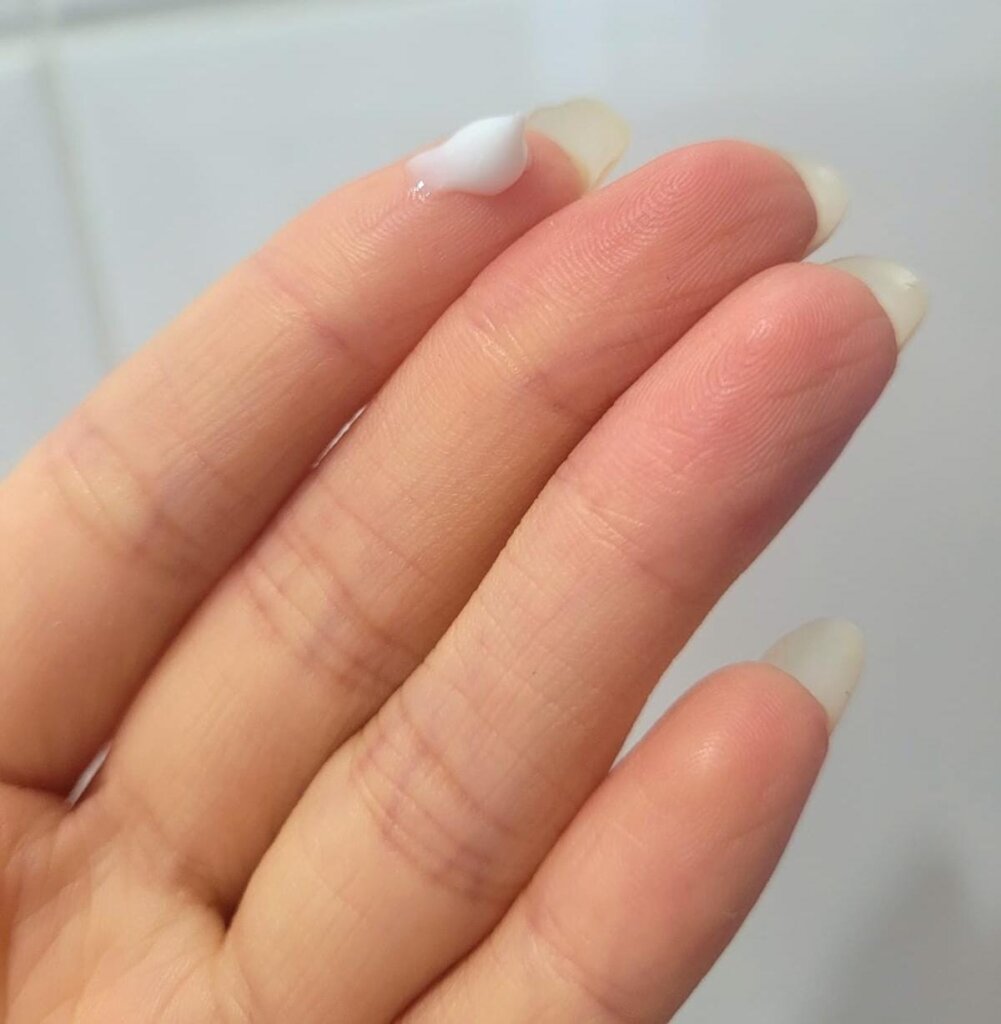
Leave-in treatments act as a physical shield against moisture and roughness. When testing how to control frizz with these formulas, always apply them from mid-lengths to ends to keep your roots from turning into a greasy, heavy mess.
- Serums: Lightweight and great for shine.
- Creams: Provide moisture and tame thick or curly hair.
- Oils: Argan, jojoba, or almond oil add hydration and control.
Tip:
- Apply from mid-length to ends, avoiding the roots to prevent greasiness.
Step 5: Use Heat Tools with Protection
Flat irons and blow dryers can easily worsen your texture if used incorrectly. A critical lesson in how to control hair frizz during heat styling is to always apply a high-quality thermal protectant to shield the fiber from severe heat damage.
- Always apply a heat protectant spray before styling.
- If you use heat styling tools, choose ceramic options that distribute heat evenly.
- Avoid excessive heat; lower settings are gentler on hair.
Think of heat as seasoning, a little enhances the result, too much ruins the recipe.
Step 6: Protect Against Humidity
If you live in a humid climate, a little extra care can make a big difference.
- Use anti-humidity hairspray as a finishing step.
- Carry a small travel-size serum to touch up during the day.
Tip: Always apply your anti-humidity spray as the final step of your routine. Hold the bottle 8–12 inches away and mist evenly to avoid stiffness or buildup.
Think of humidity as static for your hair. A good anti-humidity spray grounds that static and keeps everything in place.
Step 7: Maintain Smooth Hair
Keeping your strands aligned is much easier when the internal structure is healthy. If you want to know how to control frizz permanently, getting consistent trims to remove split ends and applying a weekly deep mask are absolute non-negotiables.
- Get regular trims to prevent split ends.
- Deep condition once a week.
- Eat a balanced diet rich in vitamins and healthy fats.
What you eat shows up on your hair. Omega-3s and water are your real shine boosters.
Quick Fixes for Hair Frizz on the Go
- Smooth a small amount of hand cream or lip balm onto flyaways if you don’t have hair products handy.
- Use a clean toothbrush sprayed with hairspray to tame baby hairs.
I always use a small brush and a travel-size serum, they’re my secret weapons, and I never leave them behind.
Learn from These Typical Missteps
- Overusing products: This can weigh hair down and make it greasy.
- Skipping conditioner: Leads to dryness and more frizz.
- Brushing dry hair: Causes breakage and frizz; instead, detangle when damp with a wide-tooth comb.
Final Thoughts: With Proper Care, You Can Minimise Frizz Effectively
At the end of the day, understanding how to control frizz is about combining smart product choices with gentle mechanical habits. By dropping aggressive towel friction and styling tools, your strands naturally reward you with a sleek finish.
By understanding your hair’s unique needs and treating it with patience, your strands can look soft, radiant, and effortlessly sleek. For me, frizz isn’t a fight, it’s a conversation. When you start listening to your hair, it finally listens back.
Frequently Asked Questions About Controlling Frizz
How do anti-humidity sprays protect the hair structure?
Anti-humidity sprays contain hydrophobic ingredients (like specialized polymers) that create an invisible, water-resistant seal around each strand. This shield blocks outside moisture from penetrating the hair shaft, keeping your style locked in place all day long.
Why does humidity make my hair frizz up instantly?
When your hair is dry or damaged, the outer cuticle layer is raised instead of lying flat. When you step into a humid environment, the porous strand sucks in water vapor from the air, causing the hair shaft to swell up and create a puffy, uneven texture.
Can a sulfate-free shampoo actually help reduce hair frizz?
Yes. Harsh sulfates act like detergents, stripping away the natural oils that protect your hair fiber. A sulfate-free shampoo cleanses gently, keeping your natural moisture barrier intact. This prevents the severe dryness that forces your cuticles to open up later.
Why does brushing dry hair make frizz significantly worse?
Brushing dry hair creates intense static electricity and forces your natural curl or wave patterns to break apart. This friction stretches fragile strands until they snap, resulting in tiny, broken flyaways along your parting that are incredibly difficult to flatten down.
Disclaimer:
The information provided in this article is for general educational and self-care purposes only. It does not replace professional hair or dermatological advice. Individual results may vary depending on hair type, condition, and environment.