
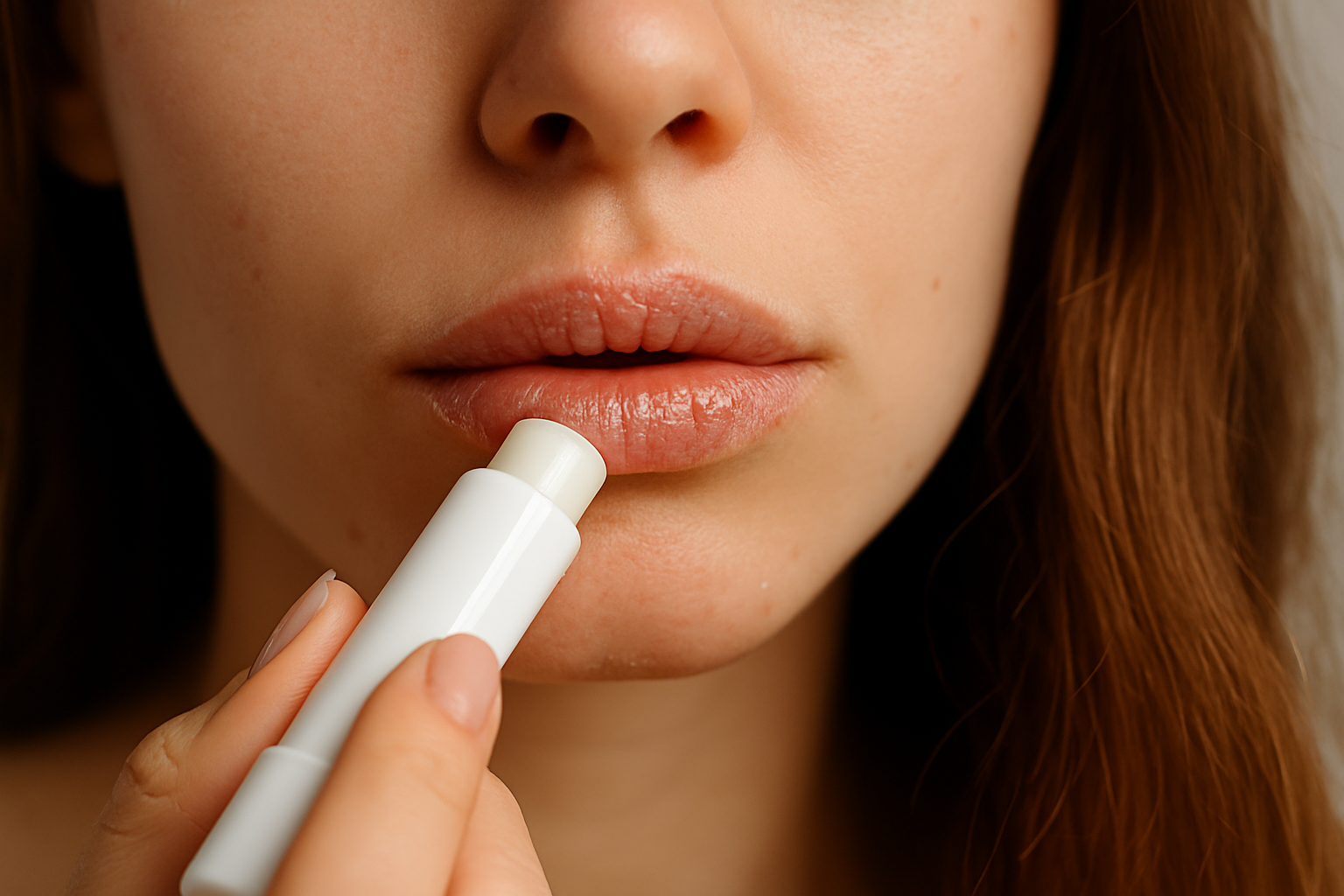
Discovering how to soothe dry chapped lips doesn’t require expensive overnight masks; it completely depends on dropping damaging daily habits and using the right barrier-sealing ingredients. While we often give attention to our face, neck, and body, our lips (which are thinner, more exposed, and more sensitive) tend to get ignored until they’re dry, peeling, or even cracked.
In this complete guide, we’ll explore the causes of dry lips, daily care habits that actually work, ingredients to look for (and avoid), and simple routines to help maintain them stay comfortable and beautiful without needing specialized products.
Why Your Lips Get Dry Faster Than Your Skin
The tissue on your mouth is structurally unique compared to the rest of your body, making it highly vulnerable to dehydration.
To learn how to soothe dry chapped lips, you must understand that this delicate zone completely lacks sebaceous glands, meaning it cannot produce natural oils to lubricate itself, for several important reasons:
1. Our lips have no oil glands
Unlike the rest of your face, lips don’t produce natural oils (sebum). This means they dry out faster and can’t hydrate themselves.
2. The skin is thinner and more delicate
Lips consist of just a few layers of skin. That makes them more sensitive to environmental stressors and quicker to lose moisture.
3. Our lips are constantly exposed
They’re rarely covered. They face direct exposure to sun, wind, cold, heat, and indoor air conditioning, all of which pull moisture from the skin.
4. We touch our lips a lot
Whether it’s licking, biting, or rubbing, we tend to interact with them more than we realize. These habits worsen dryness over time.
Understanding these factors helps explain why prevention is important when it comes to comfortable lips.
Common Habits That Disrupt Your Hydration: How to Soothe Dry Chapped Lips?
If your mouth is constantly raw, rough, or bleeding, some of your repetitive daily actions are likely the root cause. Anyone wondering how to soothe dry chapped lips needs to look closely at lifestyle traps like chronic mouth breathing, picking at loose skin flakes, and skipping basic environmental sun protection. Here’s what to avoid:
Licking the Lips
Wetting your skin with saliva provides a temporary illusion of relief, but it is actually highly destructive. If you want to know how to soothe dry chapped lips, you must break this cycle; saliva evaporates instantly, stripping away the skin’s remaining moisture layers while active digestive enzymes break down the fragile barrier.
Using Drying Products
Many long-lasting lip stains and low-quality glosses are formulated with harsh alcohols, synthetic fragrances, menthol, or camphor to create a plumping or cooling sensation. A major rule on how to soothe dry chapped lips is to completely avoid these irritating components, as they trigger chronic reactivity and dry out the tissue.
Breathing Through Your Mouth
Mouth breathing can expos your lips to a constant stream of dry air, especially at night. This is a common cause of chapped lips.
Biting or Peeling Flaky Skin
As tempting as it is to remove dead skin with your fingers or teeth, this only causes irritation and can lead to bleeding or discomfort.
Skipping Sun Protection
Yes, sun protection matters for lips too. A lip balm with SPF helps shield against environmental factors that may affect lip comfort and appearance.
How to Soothe Dry Chapped Lips?
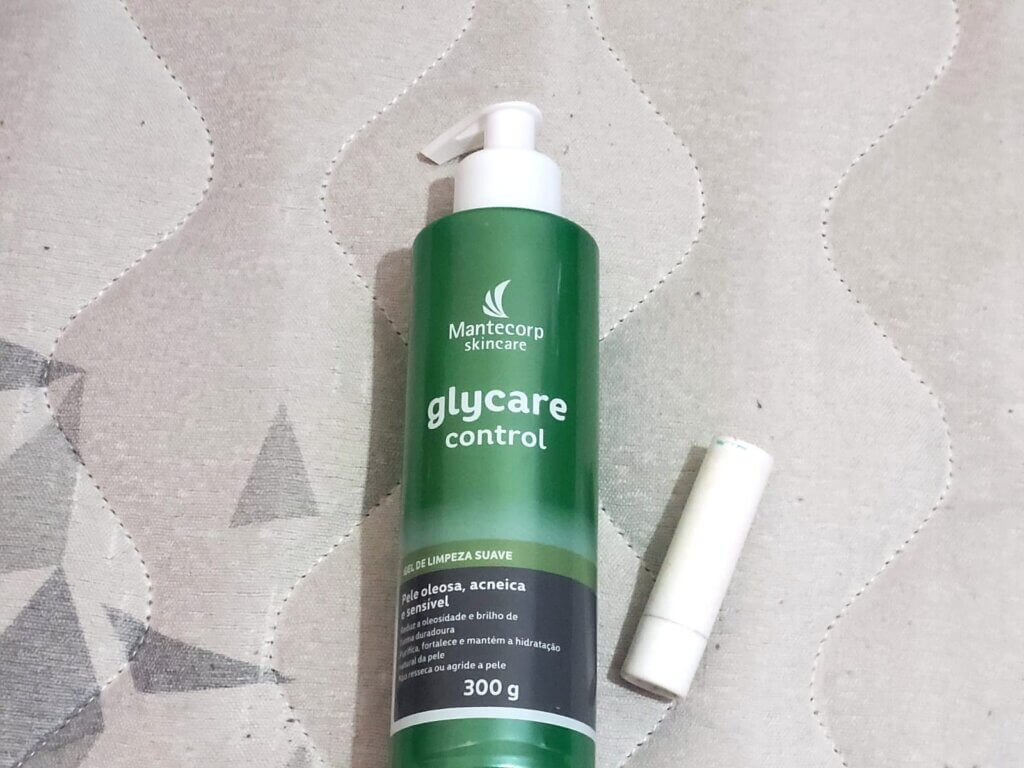
A proper lip care routine doesn’t need to be complex or expensive. With just a few steps, done consistently, you can noticeably improve the feel of them.
Step 1: Clean Your Lips
Always start and finish your day by wiping away built-up debris, oils, and environmental pollution.
When testing how to soothe dry chapped lips during your evening wash, use a sulfate-free, non-stripping facial cleanser and always pat the tissue dry with a soft cloth instead of scrubbing aggressively.
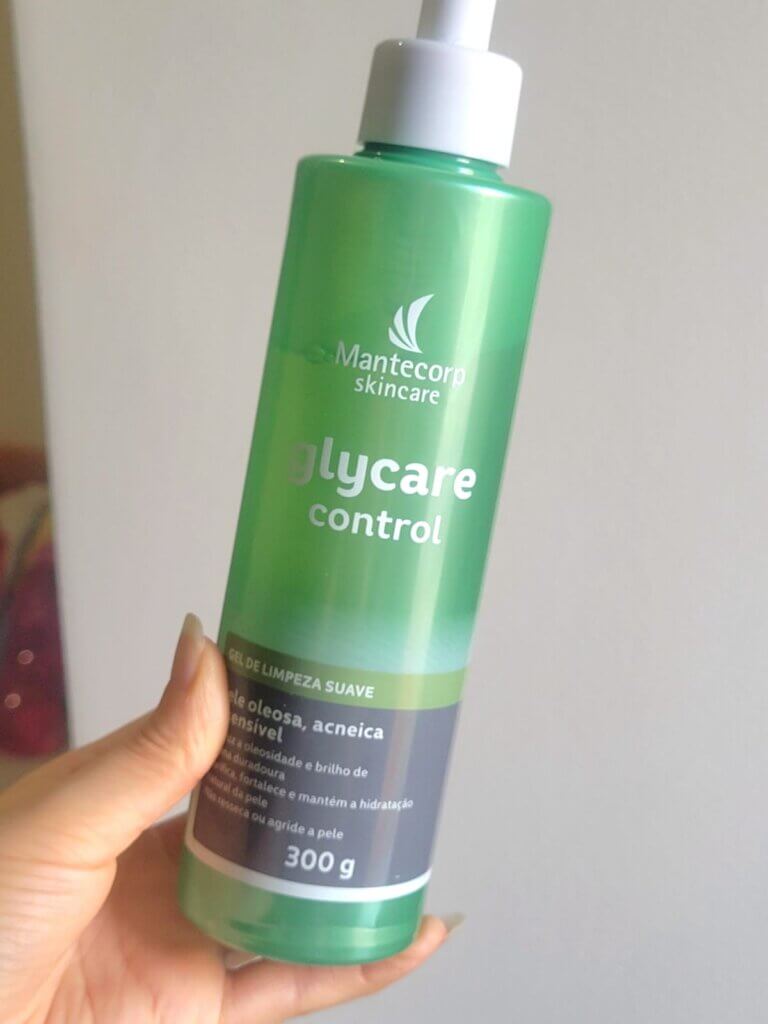
Avoid harsh soaps or cleansers with sulfates. Pat the lips dry with a clean towel (don’t rub).
Step 2: Exfoliate (1–2 Times a Week)
Exfoliation removes dead skin and allows products to penetrate more effectively. But because lips are delicate, you must use very gentle exfoliation.
You can use a store-bought lip scrub or make one at home using honey and sugar or olive oil and brown sugar.
Rub the mixture gently in circular motions for 20–30 seconds, then rinse. Follow with a balm.
Never exfoliate cracked or bleeding lips, wait until they comfort first.
Step 3: Hydrate and Seal
This is a particularly important step: moisture + protection.
Many people choose to use a hydrating lip product, such as a serum or balm that contains ingredients commonly associated with moisture, including hyaluronic acid, glycerin, or aloe vera. Some prefer to follow this with a richer balm or ointment to help maintain comfort and reduce moisture loss.
Ingredients commonly found in lip care products include:
- Shea butter
- Cocoa butter
- Lanolin
- Beeswax
- Petroleum jelly
- Squalane
- Candelilla wax (a plant-based alternative to beeswax)
Note: Lanolin is highly effective, but if you have sensitive skin, opt for plant-based waxes like Candelilla.
Lip care products are often reapplied throughout the day, especially in dry or cold environments.
Extra Care for Nighttime: How to Soothe Dry Chapped Lips?
At night, your body and skin go into resting time. That makes bedtime the perfect opportunity to nourish your lips more deeply.
After brushing your teeth and finishing your skincare routine, apply a thicker lip balm or overnight mask.
Many brands now offer lip sleeping masks that contain occlusive ingredients plus nourishing ingredients like vitamin E or plant oils. Even a small amount of Vaseline over a hydrating balm works effectively while you sleep.
If you breathe through your mouth at night or sleep in a room with dry air, consider using a humidifier to add moisture back into the environment.
Lip Care and Makeup
You do not have to give up your favorite lip colors just because your skin is prone to texture issues.
A practical strategy on how to soothe dry chapped lips under makeup is to blot a thin layer of protective balm before applying color, opting for creamy, oil-infused formulas instead of ultra-matte liquids.
Seasonal Lip Care Tips
Different times of the year bring different challenges for your lips. Here’s how to adapt your routine:
Winter:
- Use thicker balms with occlusive ingredients
- Apply balm before going outside
- Avoid licking your lips in the cold
Summer:
- Use SPF balm daily
- Reapply after swimming or sweating
- Drink plenty of water to stay hydrated
Spring/Fall:
- Exfoliate weekly to remove dead skin
- Adjust your balm’s thickness depending on the humidity level
Sample Daily Lip Care Routine
Morning
- Cleanse your lips while washing your face
- Apply hydrating balm with SPF
- Reapply during the day as needed
Evening
- Remove makeup if wearing any
- Exfoliate (1–2x a week)
- Apply rich balm or lip mask before bed
Final Thoughts: Soft Lips Start With Simple Habits
Soft lips aren’t just about having a good lip balm; they’re the result of small, consistent habits that protect and nourish the most delicate skin on your face.
Stop letting painful dryness compromise your smile and ruin your makeup applications. Committing to a consistent, protective routine proves that learning how to soothe dry chapped lips is all about embracing simple mechanical habits and solid barrier protection, keeping your skin soft and flexible through any weather.
Frequently Asked Questions About Chapped Lips
How can I prevent my lips from drying out completely while I sleep?
Your mouth loses significant moisture at night, especially if you breathe through your mouth. To prevent this, run a humidifier in your bedroom to keep the air moist and always apply a thick, occlusive lip mask or petroleum jelly right before going to sleep.
Why do my lips get chapped and peel much faster than the rest of my face?
The skin on your lips is incredibly thin, consisting of only a few cellular layers, and it completely lacks oil or sweat glands. Because it cannot produce its own protective sebum, it has no natural defense against dry air, temperature shifts, or wind.
What are the best ingredients to look for in a restorative lip balm?
To fully repair dry skin, look for a balance of humectants and occlusives. Ingredients like glycerin and hyaluronic acid draw water into the tissue, while rich emollients and occlusives like shea butter, beeswax, lanolin, and petroleum jelly seal that moisture inside.
Why does licking my lips actually make the dryness significantly worse?
Licking your lips creates a damaging cycle. Saliva contains harsh digestive enzymes that break down the delicate protective skin barrier of your mouth. Additionally, as the saliva evaporates into the air, it takes the skin’s internal moisture along with it.
Disclaimer
This article provides general beauty and skincare information only. It does not offer medical advice or treatment recommendations. For persistent discomfort or skin conditions, consult a qualified skincare professional.