
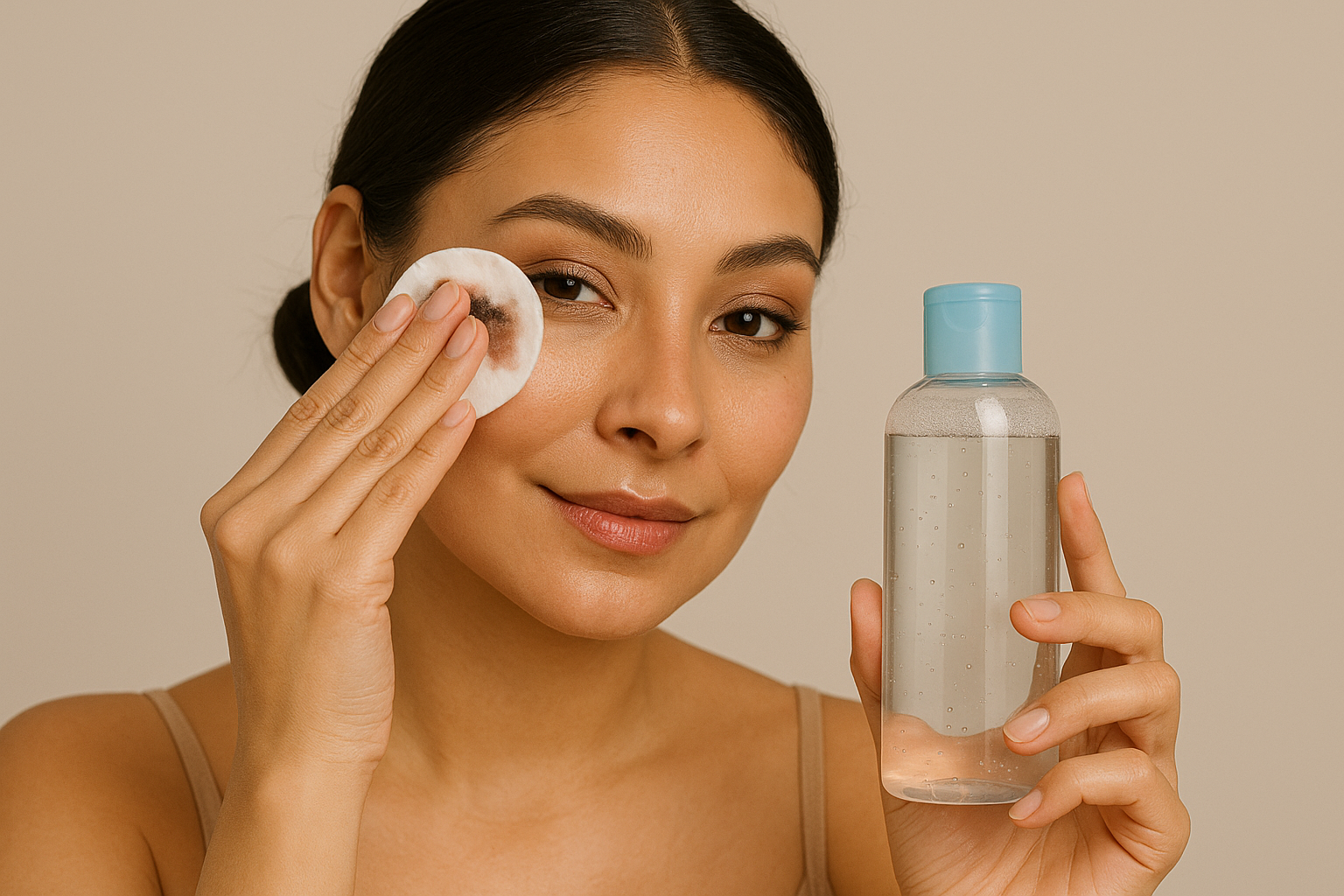
Leaving thick layers of foundation, heavy silicone primers, and environmental pollution to sit on your face for over twelve hours can leave your pores completely suffocated, dull, and prone to breakouts. Executing a thorough post-makeup skincare routine is the ultimate way to rebalance your skin matrix, melting away stubborn cosmetic polymers before they cause long-term cellular congestion.
This comprehensive guide will show you how to structure an easy, highly effective post-makeup skincare routine to guarantee your face wakes up looking radiant, smooth, and deeply purified.
Why You Should Prioritize Post-Makeup Skincare Routine
Makeup can act like a temporary layer on the skin, but over time, it traps oils, sweat, dirt, and airborne pollutants. If not removed well, this may contribute to common skincare concerns such as:
- Build-up on the skin
- Uneven or dull appearance
- Dryness and dehydration
- Temporary redness or sensitivity
- A weakened-looking skin barrier from a lack of cleansing
While wearing cosmetics itself isn’t inherently bad, failing to care for your skin afterward is what causes most of these concerns. A consistent post-makeup skincare routine keeps your complexion clear, hydrated, and resilient.
The Magic of Double Cleansing: Why One Wash Isn’t Enough
Traditional water-based face washes are structurally unable to dissolve waterproof mascaras or long-wearing base formulas on their own.
A professional post-makeup skincare routine relies on the double cleansing method to completely break down cosmetic binders and sunscreen residues without stripping away the lipids that protect your surface layers.
Use an Oil-Based Cleanser First
An oil-based cleanser or cleansing balm breaks down beauty products, sunscreen, and sebum effectively. Unlike harsh wipes or micellar water alone, oil cleansers dissolve waterproof products help dissolve makeup while minimizing the risk of dryness.
How to use:
- Apply the oil cleanser to dry skin.
- Massage gently using circular motions, focusing on areas like the eyes, lips, and hairline where makeup tends to cling.
- Add a bit of water to emulsify (the oil will turn milky), then rinse thoroughly with lukewarm water.
Look for oils like:
- Jojoba oil
- Grapeseed oil
- Almond oil
- Sunflower seed oil
Follow With a Water-Based Cleanser
Once your oil balm has emulsified and lifted the heavy cosmetics, your face is ready for the second phase of purification.
In a proper post-makeup skincare routine, this water-based step flushes out remaining sweat, bacteria, and surface impurities, leaving your skin thoroughly clean, soft, and receptive to target nutrients.
Choose:
- Sulfate-free, low-pH formulas
- Gel or foam cleansers for oily or combination skin
- Cream or milk cleansers for dry or sensitive skin
This ensures that your skin is thoroughly clean but not tight or stripped.
Why You Should Ditch the Makeup Wipes
Dragging a pre-moistened fabric cloth across your face might seem incredibly convenient, but it actually causes severe friction damage and microscopic tears.
Relying on simple wipes instead of a true post-makeup skincare routine merely smears cosmetic debris across your pores while exposing sensitive skin to irritating chemical preservatives and alcohols.
Rubbing wipes across the skin can cause:
- Skin sensitivity
- Redness
- Incomplete removal of makeup
If you absolutely need to use wipes in emergencies, always follow them with a full cleansing routine.
Apply a Hydrating Toner or Essence
Even the gentlest washing steps can temporarily alter your natural pH levels and cause minor surface evaporation.
Incorporating a hydrating toner or essence into your post-makeup skincare routine immediately pumps moisture back into the cells, utilizing glycerin, panthenol, or hyaluronic acid to prepare your face for serums.
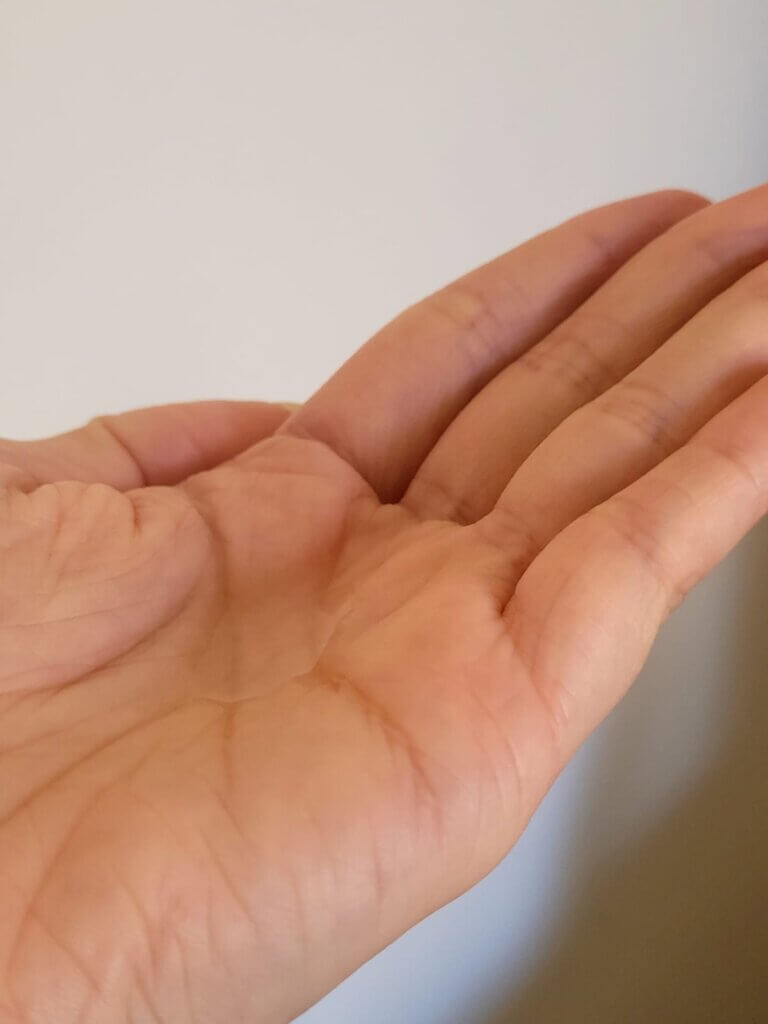
Best ingredients to look for:
- Hyaluronic acid: Draws moisture into the skin
- Aloe vera: Soothes and calms
- Glycerin: Helps retain moisture
- Panthenol: Supports skin comfort
How to apply:
- Pour a few drops into your hands and press gently onto your face.
- Alternatively, use a cotton pad, but hand application minimizes product waste.
Replenish and Soothe: Serums and Moisturizers
Serums are lightweight formulas that contain concentrated ingredients designed to address specific skincare needs.
After a day of wearing makeup, many people prefer serums with soothing, hydrating, and barrier-supporting ingredients to help the skin feel more balanced.
Recommended ingredients:
- Niacinamide: Helps balance oil and supports a smoother skin appearance.
- Green tea extract: Rich in antioxidants that combat environmental factors and help soothe visible redness.
- Centella Asiatica (Cica): Calms redness and helps soothe skin.
- Peptides: Support skin’s natural appearance and help promote a smoother look.
- Beta-glucan: Hydrates and reduces irritation.
Apply a few drops to your face and neck, gently patting the serum into your skin for better absorption.
How to Hydrate Your Skin After Makeup?
Choosing a lipid-rich cream or oil-free gel for this step of your post-makeup skincare routine prevents transepidermal water loss overnight, keeping the texture plump, balanced, and resilient.
Applying a high-quality cream or gel emulsion is vital to seal in your liquid layers and fortify your skin’s nocturnal repair cycle.
Choose the right type for your skin:
- Dry skin: Rich creams containing ceramides, shea butter, and squalane.
- Oily skin: Lightweight gel-based moisturizers that are oil-free and non-comedogenic.
- Combination skin: Balancing formulas that hydrate dry areas while controlling excess oil.
- Sensitive skin: Fragrance-free, hypoallergenic formulas with soothing ingredients like allantoin or oat extract.
Tip: Apply the moisturizer to slightly damp skin to lock in hydration more effectively.
Take Special Care of Your Eyes and Lips
The skin around the eyes and on the lips is thinner and more delicate, making it more prone to irritation and dryness, especially after wearing makeup. To optimize your post-makeup skincare routine, soak a cotton pad in micellar liquid to dissolve mascara gently, and finish with an ultra-nourishing balm containing natural beeswax or shea butter.
For the eyes:
- Use a specific eye makeup remover or micellar water.
- Soak a cotton pad, hold it gently over the eye area for a few seconds, then wipe softly to avoid tugging.
- Apply an eye cream with ingredients like peptides, hyaluronic acid, or caffeine to refresh and hydrate the area.
For the lips:
- Remove lipsticks or stains thoroughly.
- Exfoliate gently with a soft lip scrub or a damp washcloth.
- Apply a nourishing lip balm with shea butter, beeswax, or lanolin to help moisturize.
Use a Soothing Mask for Extra Recovery
After heavy makeup days, a face mask can provide extra comfort and hydration.
It’s not mandatory every day, but using a mask 1-2 times per week can leave the skin feeling refreshed.
Types of soothing masks:
- Hydrating gel masks: Offer a cooling effect and immediate hydration.
- Sheet masks: Infused with calming ingredients like chamomile, centella asiatica, or green tea.
- Overnight sleeping masks: Work while you sleep to refresh and may help skin comfort.
Tip: Store sheet or gel masks in the fridge for a refreshing, soothing experience.
Don’t Forget Your Tools: The Hygiene Factor
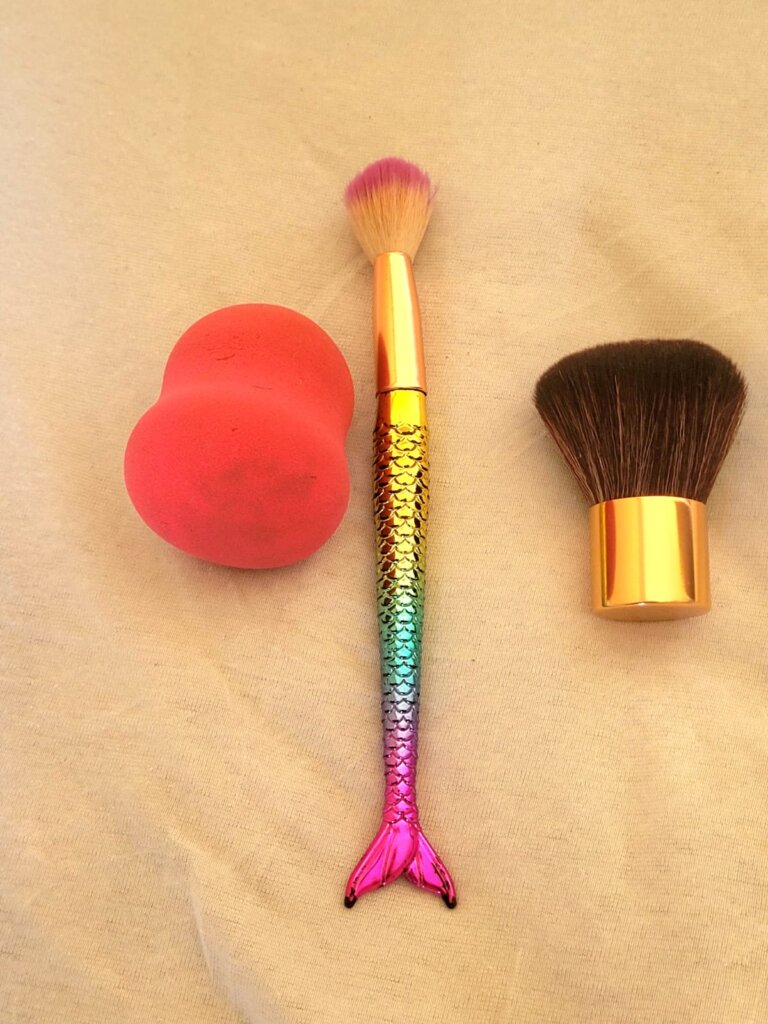
One of the most overlooked aspects of skincare is tool hygiene.
Dirty brushes and sponges accumulate impurities, traces of makeup, oils, and dead skin cells, which can cause blemishes and redness.
How to clean:
- Use a gentle brush, cleanser, or mild shampoo.
- Wash brushes weekly and sponges after every use if possible.
- Let tools air-dry completely before storing or using them again.
Regularly cleaned tools not only protect your skin but also improve face products.come second nature, and your skin may show visible improvements in texture and appearance.
Final Thoughts
Wearing makeup all day doesn’t have to negatively affect your skin, as long as you know how to properly care for it afterward. With a solid removal and help keep routine,your skin can feel refreshed, hydrated, and balanced even after a long day of wearing makeup.
Think of your end-of-day beauty ritual as a chance to thank your skin. It’s not just about removing products, it’s about supporting balance and a comfortable skin barrier, helping your skin maintain its natural balance and radiance.
Frequently Asked Questions About Post-Makeup Skincare Routine
Why should I clean my cosmetic blending sponges and brushes on a weekly basis?
Dirty blending tools rapidly accumulate damp cosmetic residues, old facial sebum, and dead skin cells, turning them into a breeding ground for bacteria. Reapplying these contaminated tools onto your face introduces pathogens back into your pores, triggering sudden blemishes.
How does sleeping with left-on cosmetic products damage the skin matrix overnight?
While you sleep, your skin undergo a natural cell renewal and repair cycle. Leaving a layer of makeup traps sweat, sebum, dead skin cells, and free radicals against your face, suffocating the cells, expanding your pores, and causing collagen degradation that leads to dullness.
Can using makeup wipes every night trigger premature aging or skin damage?
Yes. Wipes rely on aggressive mechanical rubbing that drags across the skin, causing microscopic tears and physical irritation over time. Furthermore, they are saturated with harsh chemical preservatives and drying alcohols that strip your natural lipids, causing chronic tightness.
Why is double cleansing considered absolutely mandatory after wearing heavy cosmetics?
Traditional water-based cleansers cannot break down the water-resistant polymers, heavy silicones, and waxes found in modern foundations and sunscreens. An oil-based cleanser dissolves these lipid-soluble products effortlessly, preventing deep pore blockages and follicular congestion.
Disclaimer: This article is for informational and educational purposes only and does not replace professional skincare or dermatological advice.