
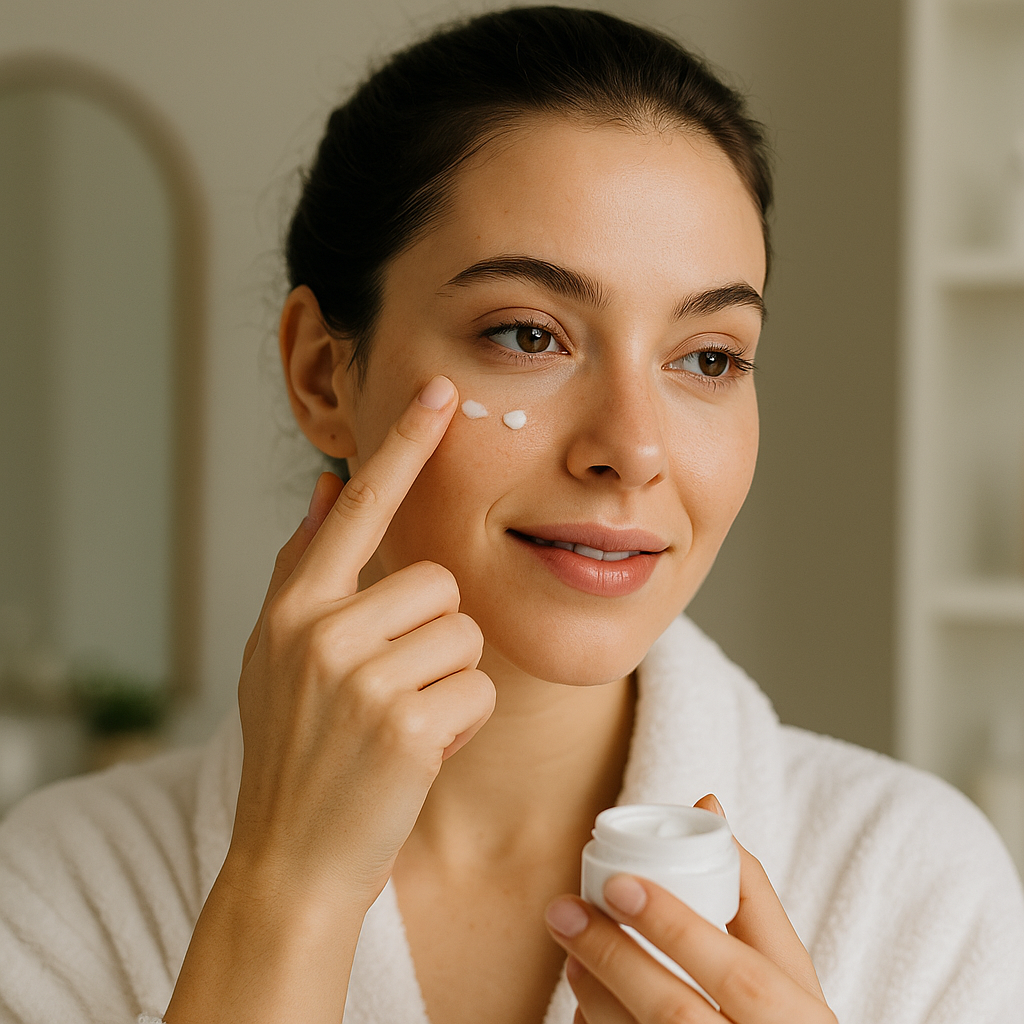
The skin around the eyes is often one of the first places to show changes over time, stress, and fatigue. Because of this, learning how to choose the right eye cream tailored to your specific concerns can greatly enhance your overall skincare routine and help maintain a refreshed appearance.
This comprehensive guide will help you understand how to choose the right eye cream, how to identify your primary eye-area concerns, what ingredients to look for, how to apply the product correctly, and how to avoid common mistakes. Whether you’re new to skincare or looking to refine your routine, this article will give you the clarity and structure needed to make smart, effective choices.
Is an Eye Cream Necessary for Your Skincare Routine?
One of the most common questions in skincare is how to choose the right eye cream and whether eye creams are truly necessary. Some dermatologists argue that if you’re using a gentle, effective moisturizer, you may not need it. However, others point out that the under-eye area often requires a more specific formulation due to its unique structure.
So, when is it worth the investment?
You Might Benefit from a Dedicated Formula If You Experience:
- Persistent dark circles that don’t seem to brighten with rest or hydration
- Puffiness or under-eye bags
- Skin textures that are becoming more noticeable
- Dry, flaky, or delicate texture under the eyes
- Sensitivity that makes regular face moisturizers feel uncomfortable around the eyes.
Eye creams are typically formulated with gentle ingredients and lighter textures suitable for the eye area. They are designed to absorb quickly without irritating the thin skin barrier, making them especially valuable for focused care.
Understanding the Sensitive Eye Region
To learn how choose the right eye cream, it’s important to first understand what makes this area unique. The skin around your eyes:
- It is ten times thinner than the skin on your cheeks
- Has fewer oil glands, which makes it more prone to dryness
- It is in constant motion due to blinking and facial expressions
- Is more sensitive
These factors combine to make the eye area one of the most vulnerable zones on your face. That’s why the ingredients, texture, and application of your eye cream all need to be chosen with special care.
How to Choose the Right Eye Cream Based on Active Ingredients
Not all eye creams are created equal. The best product for you depends entirely on your primary concern. Instead of following viral social media trends, learning how to choose the right eye cream means looking at the raw ingredient percentages to target either vascular shadows, fluid retention, or surface fine lines.
Here are the most common under-eye concerns and how to care for each one:
1. Targeting Dark Circles
Dark circles can be influenced by natural factors, lifestyle, or the appearance of shadows. Lack of sleep and stress may affect them, but they’re not always the root cause.
Ingredients to Look For:
- Vitamin C: Helps brighten the skin and even out tone over time
- Niacinamide: Supports skin tone evenness and reduces dullness
- Caffeine: Helps reduce the appearance of discoloration and puffiness
- Licorice root extract: A gentle brightener and soothing
- Peptides: Help support skin comfort and improve the appearance of firmness, which can contribute to a more refreshed look.
Use a lightweight, fast-absorbing formula in the morning to help brighten and energize tired eyes. Consider keeping your eye cream in the fridge for an added cooling effect that may help reduce the appearance of dark shadows.
2. Reducing the Appearance of Puffiness
Under-eye puffiness can appear for various reasons and often varies throughout the day. Many people notice it’s more visible in the morning and tends to lessen as the day goes on.
Ingredients to Look For:
- Caffeine: Helps soothe and refresh the under-eye area
- Green tea extract: Contains antioxidants and soothing compounds
- Chamomile: Calms the skin and reduces sensitivity
- Arnica: Frequently used to refresh and calm the appearance of the eye area
Apply your eye cream using a metal rollerball applicator or chilled jade roller to massage the under-eye area gently. This helps refresh the under-eye area and promote a more awake look.
3. Fine Lines and Texture Variations
Over time, the skin’s needs and appearance can evolve. This may include variations in texture, particularly around the eyes, where skin is naturally more delicate.
Ingredients to Look For:
- Retinol (in low concentration): Supports skin refreshment and smooths texture
- Peptides: Support skin’s natural firmness and comfort
- Bakuchiol: A plant-based, gentler alternative to retinol
- Hyaluronic acid: Hydrates and helps minimize the appearance of textural shifting
- Ceramides: Help maintain the skin’s natural moisture and surface clarity.
Use eye creams focused on skin’s appearance, eye creams in the evening, starting with a low frequency (2–3 times a week) and increasing gradually. Always follow with a moisturizer, and avoid using multiple products around the eyes simultaneously.
4. Dryness and Sensitivity
When the under-eye area feels tight, rough, or displays flaky patches, it requires immediate barrier replenishment. Knowing how to choose the right eye cream for dehydration involves selecting rich, emollient bases featuring squalane, panthenol, and ceramides to lock in moisture without irritating the thin dermal layer.
Ingredients to Look For:
- Shea butter: Deeply nourishing and soothing
- Squalane: A lightweight oil that mimics the skin’s natural sebum
- Panthenol (Vitamin B5): Hydrates and calms the skin
- Glycerin: A moisture-attracting ingredient that benefits skin hydration
- Oat extract or aloe vera: Helps calm skin and reduce the sensation of tightness
Use a richer, balm-like cream at night, and avoid formulas that contain fragrance, alcohol, or strong preservatives. Apply with light tapping motions and don’t get too close to the lash line.
Step-by-Step: The Best Way to Apply Eye Cream Without Irritation
Even the most advanced scientific formula will fail to deliver results if it is applied too aggressively. To complete your knowledge of how to choose the right eye cream, you must master a gentle application method: tap a pea-sized amount using your ring finger along the orbital bone, ensuring you never rub or pull the delicate skin.
Best Practices:
- Amount: Use a pea-sized amount for both eyes combined

- Finger: Use your ring finger for the lightest touch
- Motion: Tap (don’t rub) around the orbital bone, starting at the inner corner and moving outward
- Distance: Avoid placing the product directly on the eyelid or too close to the lash line
- Timing: Allow a few minutes for the product to absorb before applying concealer or makeup
If your product is designed for morning use, pair it with sunscreen to prevent sun exposure, which can worsen under-eye discoloration and aging.
Choosing the Right Texture for Your Skin Type
Not all eye creams have the same consistency. Selecting the right texture can make a significant difference in comfort and effectiveness.
Gel Formulas
- Best for: Oily or combination skin, puffiness
- Lightweight and fast-absorbing
- Often contain caffeine and even-toning ingredients
Cream Formulas
- Best for: Normal to dry skin, variations in the skin’s appearance
- Thicker and more nourishing
- Better for nighttime use or colder climates
Balm or Ointment Formulas
- Best for: Very dry or sensitive skin
- Occlusive and deeply hydrating
- Often used at night as a nourishing routine
Can You Use Your Face Moisturizer Under Your Eyes?
Yes and no. If your facial moisturizer is fragrance-free, non-comedogenic, and gentle, it may work well enough for hydration and skin comfort. However, eye creams often contain specialized peptides or brightening agents specifically formulated to absorb into this thinner skin more effectively.
In my case, I use my regular face moisturizer; for me, the results are sufficient since I don’t have many concerns regarding my eye area. I apply the amount I demonstrated in the photo above, and I apply it to the eye area the way I explained above.
If you’re caring for specific concerns like dark circles or puffiness, a dedicated eye product is usually the better option. When sharing tips on how to choose the right eye cream, I always tell my readers that I use my regular face moisturizer for this step; my under-eye area doesn’t have major concerns, so this simple routine provides all the surface smoothness I need.
Final Thoughts
Learn how to choose the right eye cream is about understanding your unique needs and finding products with ingredients that target them safely and effectively. Whether you’re concerned about the appearance of lines, puffiness, dark circles, or dryness, there are solutions available that fit your skin type and lifestyle.
Start simple, introduce one product at a time, and stay consistent. With patience and gentle care, you can improve the appearance, comfort of the eye area, and more refreshed skin.
Frequently Asked Questions About Eye Creams
What is the correct way to apply an under-eye formula without causing irritation?
Always use a tiny, pea-sized amount for both eyes combined and apply it using your ring finger, which naturally exerts the least physical pressure. Gently tap: never rub, the product along the hard orbital bone, allowing it to absorb naturally toward the lash line.
Can a rich nighttime eye cream trigger tiny white bumps under my eyes?
Yes. Applying an excessively thick balm or ointment formula containing heavy waxes too close to the lash line can trap dead cells and clog the tiny pores around the orbital bone. This often results in small, benign keratin retention cysts known as milia.
Why is the skin surrounding the eyes more prone to showing fine lines early?
The under-eye area is unique because it is roughly ten times thinner than the skin on your cheeks. Additionally, it contains far fewer natural oil glands to lock in hydration and is subjected to constant micro-movements from daily blinking and expressions.
What should I look for when learning how to choose the right eye cream for dark circles?
When figuring out how to choose the right eye cream for dark shadows, look for brightening and vascular-support actives. Ingredients like stable vitamin C, niacinamide, caffeine, and licorice root work beautifully to even out skin tone and minimize tired-looking discoloration.
⚠️ Disclaimer: This article is for general informational and educational purposes only. It is not intended to diagnose or replace professional advice. Results may vary depending on individual skin types and conditions. If you experience irritation or discomfort, discontinue use and consult a qualified skincare professional.