
Post-breakout skincare is essential because while a breakout might only last a few days, its appearance can affect your skin for some time. Even after the breakout itself is gone, the area can remain delicate, with possible dryness, visible redness, or dark spots that take time to fade. It’s easy to feel like you’re in a cycle of constantly recovering from one breakout just as another begins.
In this post breakout guide, you’ll learn how to care for your skin after a breakout with a post-breakout skincare, what to avoid, which ingredients help the most, and how to shift your mindset from reacting to your skin to truly reinforce it.
Why Post-Breakout Skincare Is Essential for Your Complexion
Many people stop their skincare efforts once a occasional spot has flattened or disappeared, but that’s actually when the care process begins. During and after a breakout, your skin is:
- Feeling sensitive and reactive
- Working to regain its balance
- Lingering discoloration or texture concerns
- More sensitive to potent ingredients and environmental stressors
Effective post-breakout skincare after a breakout focuses on soothing the skin and promoting an even and clear complexion. More importantly, it helps break the cycle of over caring and over reacting, which is a common mistake that often leads to further visible redness and can affect your skin barrier.
Learning the Power of Patience
I used to think that the moment a breakout started to fade I needed to use the strongest ingredients possible to scrub it away. I learned that being too aggressive in my post-breakout skincare actually made the visible marks last much longer on my face.
Now I prioritize hydration and sun protection the moment I notice an occasional spot is improving, by being gentle and patient I noticed that my skin tone looks much more even and those temporary marks fade much faster than they did when I was constantly over treating the area. Taking a step back and letting the skin find its balance was the best decision for my routine.
Hands Off: Supporting the Natural Recovery Process
This is an important step for post-breakout skincare. Even if the breakouts looks improved, touching or picking can introduce impurities:
- Prolong sensitivity
- Lead to visible dryness, discoloration, or noticeable marks
It’s tempting to try to “speed things up” by squeezing, rubbing, or applying a strong product. Resist the urge. Allow the skin to go through its natural repair process; your role is to gently maintain it.
How to Reset Skin After Breakout?
Restoring your skin requires a steady, step-by-step approach to bring back its natural balance.
Follow these essential steps for optimal barrier recovery:
Step 1: Use a Gentle Non Stripping Cleanser
After an occasional spot, your skin may feel more sensitive or tight. This is not the time for strong foaming cleansers or exfoliating washes. Use a mild, non-stripping cleanser designed to maintain skin comfort in your post-breakout skincare.
For most people, cleansing twice daily helps maintain skin balance. Cleansing more frequently than needed can potentially lead to dryness.
Step 2: Moisturize: Even If Your Skin Feels Oily
Many people skip moisturizer after a breakout out of fear it will clog their pores. In reality, the right moisturizer is critical for post-breakout skincare and helping to maintain clear-looking skin.
When your skin is dry or dehydrated, it may overproduce oil to compensate. Hydration helps keep the skin balanced and less prone to dryness or discomfort.
Choose a Moisturizer That Is:
- Non-comedogenic
- Lightweight, gel or lotion texture (for oily or combo skin)
- Rich in barrier-repair ingredients like: Ceramides, Hyaluronic acid, Squalane, Panthenol, Centella Asiatica (Cica) and Niacinamide.
Apply after cleansing, both morning and night. You can apply a second layer if your skin feels tight or flaky.
Step 3: Give Your Skin a Break from More Specialized Products for a Few Days
After a breakout clears, give the area a break from potent actives (like retinoids or benzoyl peroxide) for at least a few days. Focus instead on soothing and hydrating ingredients to calm the skin.
Consider pausing stronger targeted ingredients for a few days.
Instead, focus on calming and replenishing ingredients:
- Allantoin
- Panthenol
- Green tea extract
- Oat extract
- Beta-glucan
Once your skin feels calm and less sensitive, you can slowly reintroduce your usual products, one at a time.
Protect Your Skin from Sun Exposure
Sun exposure can worsen the appearance of post-breakout marks. UV rays can make redness and discoloration more pronounced and slow down their natural fading process.
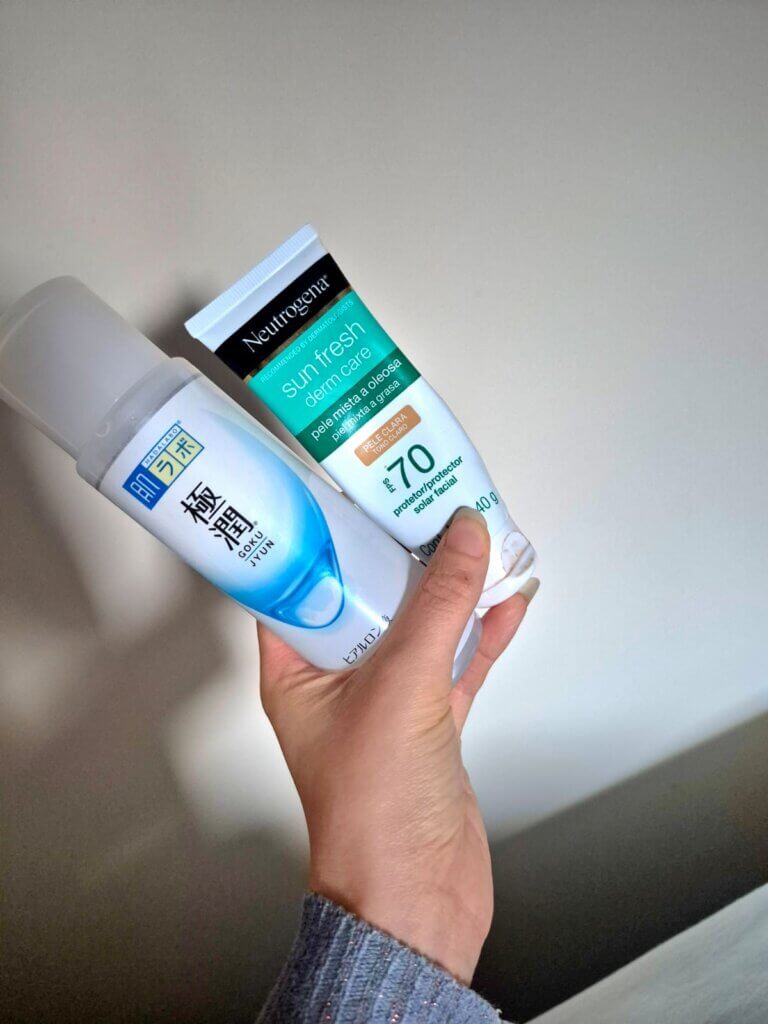
Apply sunscreen daily in your post-breakout skincare as a consistent habit for overall skin protection.
- Broad-spectrum SPF 30 or higher
- Mineral-based filters (zinc oxide or titanium dioxide) are often gentler
- Oil-free, non-comedogenic formulas are best for breakout-prone skin
Even if you’re indoors, UV light from windows can affect care. If you’re spending extended time outside, reapply every 2–3 hours.
Start Caring Marks Left After Breakouts Gently
Once redness has gone down and your skin feels calm, you can begin caring for discoloration left behind from the occasional spot.
Ingredients that may help include:
- Niacinamide
- Licorice root extract
- Vitamin C
Clean Everything That Touches Your Face
During and after an occasional spot, it’s essential to help maintain cleanliness or new visible congestion by keeping your environment clean.
Daily Habits to Avoid Future Breakouts:
- Wash your pillowcases every 2–3 days
- Disinfect your phone screen regularly
- Clean makeup brushes and sponges weekly
- Avoid resting your face on your hands
These small changes reduce exposure to reduce the buildup of impurities and can make a significant difference in avoiding future breakouts.
Don’t Panic If New Breakout Appear
It’s normal to have another breakout show up while your skin is recovering from a previous occasional spot. Try not to stress; stress itself can make redness more noticeable.
Instead of:
- Gently care for the new spot with a targeted product
- Avoid over-cleansing or overusing products on the entire face
- Stay consistent with your calming, reinforce routine
One breakout doesn’t undo your progress. What matters most is how you care for your skin long-term.
Monitor Skin Texture and Be Proactive
Many people forget to care for their skin after a breakout, leading to unnecessary marks and long-term texture changes.
If you notice a mark that looks indented (like a noticeable texture change), you may be dealing with early texture changes, not just discoloration.
While at- home skincare can reduce pigmentation, concerns with texture may benefit from professional consultation.
When to Consult a Professional About Texture Changes
- A mark remains visible for more than a few months
- It’s deeper than surface-level pigmentation
- You notice lingering marks or uneven texture that isn’t improving over time
Early care can preserve better-looking long-term results and help minimize the appearance of lingering marks.
Final Thoughts on Your Post-Breakout Skincare Routine
Post-breakout skincare after breakouts is about more than just waiting for a occasional spot to clear. Instead, focus on hydration, barrier repair, sun protection, and slow, consistent progress.
As your skin finds its balance, the more you’ll realize: the best skincare isn’t about doing more. It’s about doing what your skin needs and letting go of the rest. Care for your skin gently after breakouts, and over time, it can appear more balanced and comfortable.
Frequently Asked Questions About Post-Breakout Skincare
How long does it take for temporary post-breakout marks to fade completely?
Fading time varies depending on skin depth, but a consistent post-breakout skincare routine featuring niacinamide, daily mineral SPF, and gentle humectants typically reveals a significantly more even tone within four to eight weeks.
Should I continue using retinoids immediately after a breakout resolves?
It is best to pause strong actives for two to three days during your post-breakout skincare phase. Allow delicate tissue to recover its hydration levels using panthenol or centella asiatica before reintroducing potent ingredients.
Can a lightweight gel moisturizer help clear oily, breakout-prone skin?
Yes. Dehydrated skin often overproduces oil to compensate for moisture loss. Utilizing an oil-free, ceramide-rich gel in your post-breakout skincare restores water levels and helps maintain balanced surface sebum.
Why does sun exposure make post-breakout marks look much darker?
UV light stimulates melanin production in tissue that is already recovering. Without proper SPF in your post-breakout skincare regimen, solar exposure turns light temporary redness into persistent hyperpigmentation.
Disclaimer: This article provides general skincare information for educational purposes only. It is not medical advice. If you have persistent or severe breakouts, irritation, or lingering marks, consider consulting a licensed dermatologist.