

Building a hair care routine for beginners doesn’t have to be an overwhelming or complicated process. With so many products and marketing claims available, it’s easy to feel lost when trying to decide what actually works to prevent damage.
This beginners guide will walk you through the essentials of building a simple hair care routine that you can actually stick to.
What’s Your Hair Type?
Before choosing products, the absolute first step to establish a hair care routine for beginners is identifying your specific pattern. Each texture has entirely different structural needs to prevent dry frizz or heavy oil buildup.
- Straight hair tends to get oily faster and usually benefits from lighter shampoos and conditioners.
- Wavy hair may need balancing products that hydrate without weighing the hair down.
- Curly hair requires more moisture to keep curls defined and frizz under control.
- Coily hair thrives with rich creams and oils to maintain softness and prevent dryness.
Ever since I discovered my hair is wavy (2A), it’s been much easier to take proper care of it.
Tip: Pay attention to how your scalp feels. If it gets oily quickly, focus on gentle cleansing. If it feels tight or dry, nourishing shampoos and scalp care should be your priority.
Hair Care Routine Step by Step
My experience taught me that simplicity and consistency matter far more than having a shelf full of products.
Once I simplified my routine and stayed consistent, my hair gradually started to look and feel better without the need for expensive products. Check out the step-by-step routine below, specially designed for beginners:
Step 1: Cleansing Your Hair
Washing your hair is the foundation of any healthy routine. The main goal when starting a hair care routine for beginners is to remove dirt, oil, and heavy product buildup without stripping away the scalp’s natural moisture barrier.
- Frequency: 2–3 times per week works for most people, but this can vary depending on your hair type and lifestyle. Since I work out every day, I end up washing my hair daily too, and it hasn’t harmed it in any way.
- Shampoo choice: Look for sulfate-free shampoos if you want something gentle. If you notice signs of a dry scalp or buildup or have specific scalp needs, look for specialized products or, better yet, consult a dermatologist to find the right ingredients for you.
- Technique: Focus shampoo on your scalp, not the ends, since the scalp produces the most oil.
Step 2: Conditioning for Hydration
Conditioner restores essential moisture, smooths down the open hair cuticles, and makes detangling effortless. In a proper hair care routine for beginners, you should apply conditioner mainly to the mid-lengths and ends, never on the scalp.
- Apply conditioner mainly to mid-lengths and ends, not the scalp.
- Leave it on for at least 2–3 minutes before rinsing.
- For curly or coily hair, consider using a leave-in conditioner to add extra hydration.
Beginner’s tip: If your hair feels weighed down, try using conditioner only on the very ends.
Step 3: Weekly Treatments for Extra Hydration
Adding a weekly deep-conditioning mask can make a massive difference when you scale a hair care routine for beginners. This step delivers concentrated active ingredients that help repair damaged cuticles before they turn into split ends.
- Deep hydration and support for hair appearance.
- Clarifying shampoos once a month to remove buildup from styling products.
- Scalp scrubs or oils to help refresh the scalp.
Step 4: Detangling Without Damage
How you brush your hair is just as important as the products you purchase. To maintain a hair care routine for beginners that actually stops snapping, always detangle your strands gently using a wide-tooth comb, starting from the ends and working your way up.
- Always detangle hair gently using a wide-tooth comb or a brush designed for wet hair.
- Start at the ends and work your way up to avoid breakage.
- Apply a leave-in conditioner or detangling spray to make the process easier.
Step 5: Drying and Styling
Drying your hair correctly helps maintain hair’s condition.
- Air-drying is the most gentle method.
- If you use a blow-dryer, keep it on a medium heat setting and always use a heat protectant spray.
- Avoid rough towel drying, use a microfiber towel or a cotton T-shirt instead to minimize frizz and breakage.
Step 6: How to Protect Your Hair from Heat and UV Damage
Protection is the secret to long-term hair health.
- Heat protection: Always apply a heat protectant before styling with hot tools.
- UV protection: Use products with UV filters if you spend time in the sun.
- Night care: Sleeping on a silk or satin pillowcase reduces friction and keeps hair smoother.
Common Hair Care Mistakes to Avoid
Even with the best intentions, a hair care routine for beginners can fail if you fall into bad styling habits. Overwashing, skipping conditioner, and frequent high-heat styling can ruin your hair texture over time.
- Overwashing: Stripping your hair of natural oils can lead to dryness and frizz.
- Skipping conditioner: Even fine hair needs hydration.
- Frequent high-heat styling: May influence how your hair looks and feels over time.
- Ignoring scalp care: Better hair starts with a balanced scalp.
A Simple Hair Routine: What Worked for Me
When I first started paying closer attention to my hair, I felt completely overwhelmed by the amount of steps online. Simplifying my steps into a basic hair care routine for beginners taught me that consistency and targeted products matter far more than a shelf full of expensive items.
Over time, I realized that using more products didn’t necessarily lead to better results. That’s when I decided to simplify my routine and focus on what my hair actually needed. After paying closer attention, I noticed my hair is naturally wavy and slightly dry, which helped guide my choices.
Here’s what I changed in my routine:
- I switched to a sulfate-free shampoo.
- I began using a lightweight moisturizing conditioner, applying it only to my mid-lengths and ends.
- Once a week, I added a hydrating hair mask to help maintain softness.
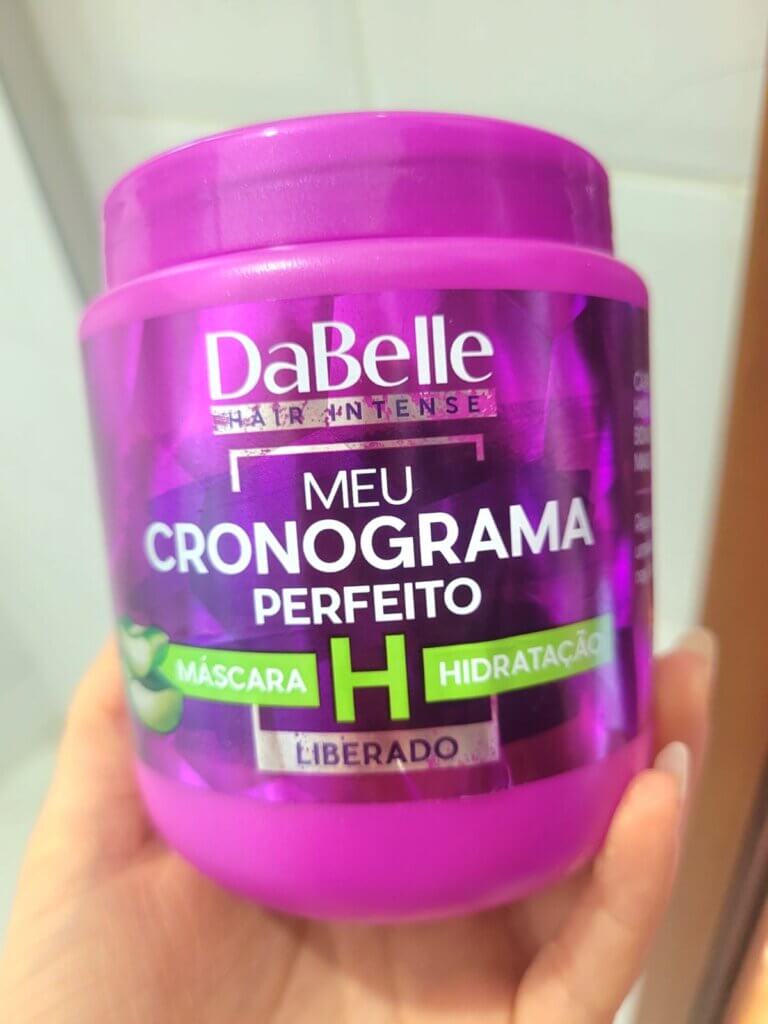
- I stopped blow-drying my hair every day and let it air-dry most of the time, using a heat protectant only when styling.
After a few weeks, I noticed my waves looked more defined, and my hair stopped tangling into rough knots and completely lost that lifeless, straw-like texture.
Putting It All Together
Ultimately, creating a sustainable hair care routine for beginners isn’t about following strict rules; it’s about finding a balance that fits your lifestyle. By focusing on cleansing, conditioning, and protection, you give your strands a resilient foundation.
Consistency is more important than perfection. Start small, listen to your hair and adjust as you go. With time, your routine will feel effortless, and your hair will thank you for it. If you experience persistent dryness or hair loss, it’s always best to consult a professional stylist or dermatologist for personalised advice.
Frequently Asked Questions About Hair Care
Why is rough towel drying harmful to wet hair?
Wet hair is highly elastic and fragile. Rubbing it aggressively with a standard cotton towel creates harsh friction that raises the cuticles, leading to instant frizz, surface damage, and snapping. Swapping to a microfiber towel or a cotton T-shirt protects the strand.
What happens if you skip using hair conditioner?
Shampoo opens the hair cuticle to clean it. Leaving the cuticle open by skipping conditioner causes rapid moisture loss, rough texture, and extreme vulnerability to friction. Conditioner seals these scales back down, preventing styling breakage and static frizz.
Why should you apply shampoo only to the scalp?
The scalp is where sebum, sweat, and pollution accumulate. The ends of your hair are older, drier, and don’t produce oil. Washing the ends directly strips away moisture, causing severe dryness and split ends. The running foam during rinsing is enough to clean them.
What is a good hair care routine for a beginner?
A good beginner hair care routine focuses on three essential steps: cleansing with a gentle shampoo, conditioning to restore moisture, and protecting with a leave-in treatment. Wash two to three times a week according to your scalp type and use a hydrating mask once weekly for extra care.
Disclaimer:
The information in this article is for educational and general self-care purposes only. It does not replace professional hair or dermatological advice. Individual results may vary depending on hair type, condition, and external factors.