
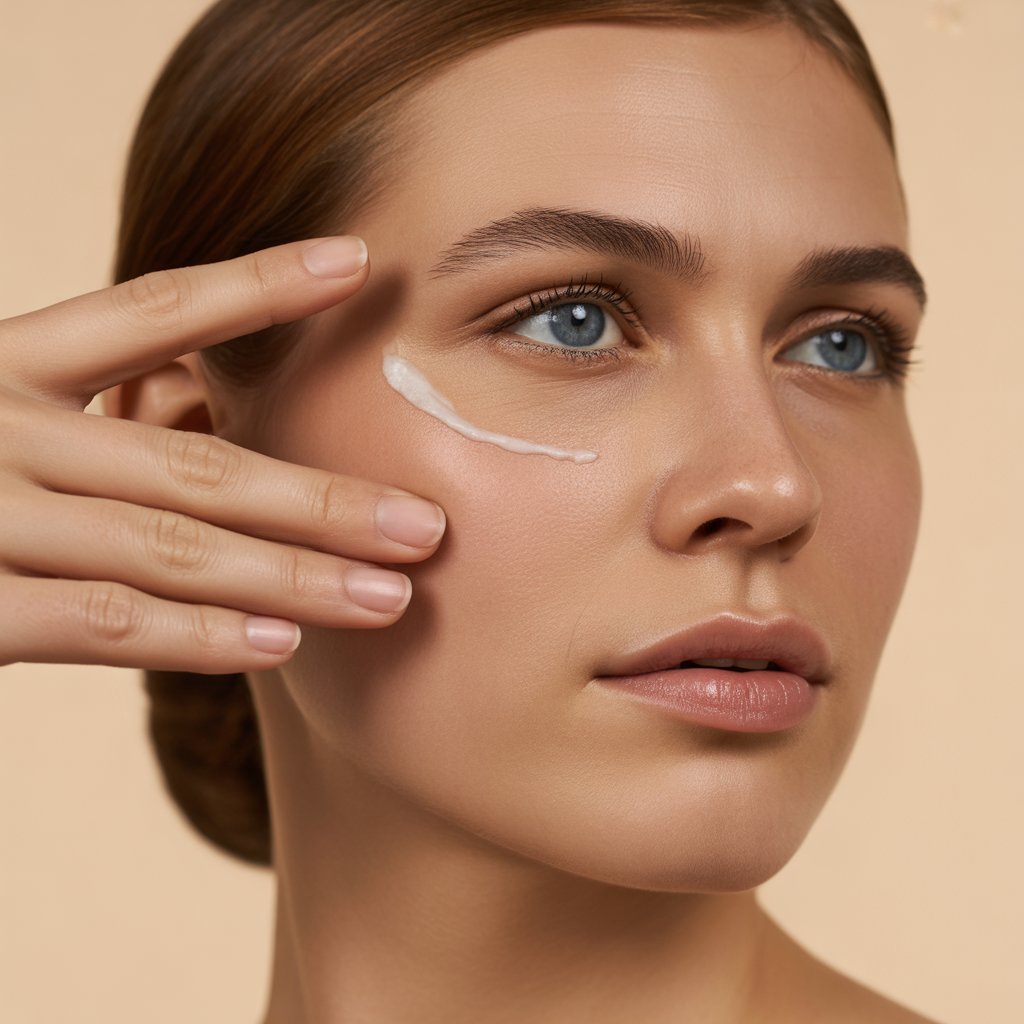
Having a skincare routine is a great habit, but identifying skincare mistakes that are affecting your glow is crucial to see real results. Many common skincare habits can contribute to concerns like dullness, dryness, or a lack of radiance. The good news? They’re often easy to adjust. Once you learn about them, you can refine your routine to better support your skin health and natural glow for the long term.
In this guide, you’ll learn about the most frequent skincare errors that contribute to premature skin aging and exactly what to do instead.
1. Skipping Daily Sunscreen
Why it Matters
One of the most frequent skincare mistakes that are affecting your glow is neglecting daily UV protection, which leads to premature aging. Sun exposure is a leading contributor to photoaging and UV damage prevention. UV rays penetrate deeply and can break down the proteins (like collagen and elastin) that keep skin firm. This process is linked to the development of wrinkles, loss of firmness, dark spots, and uneven texture. Remember, even short, unprotected exposure adds up over time.
What to do Instead
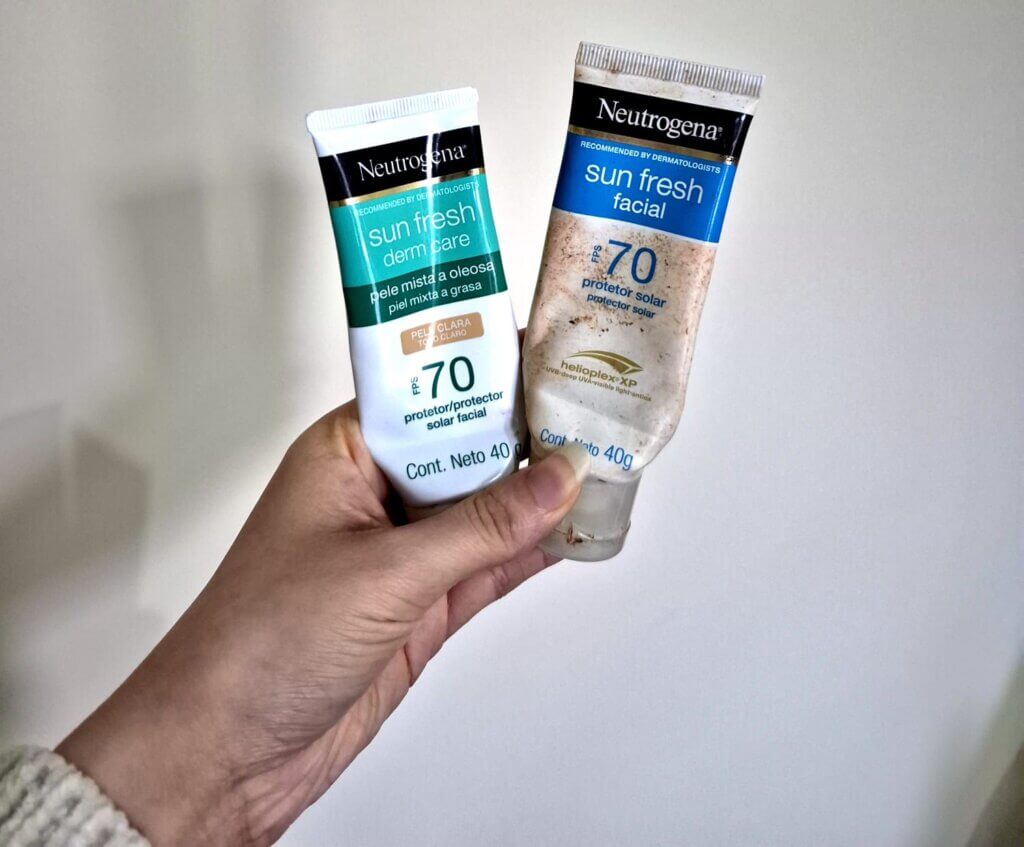
Apply a broad-spectrum sunscreen with SPF 30 or higher every morning. Choose formulas that suit your skin type: a lightweight gel for oily skin, a hydrating cream for dry skin. Don’t forget to reapply every two hours if you’re spending time outside or near windows.
Extra tip: Don’t rely on makeup with SPF. You’d need far more product than you actually apply to get proper protection.
2. Over-Exfoliating Your Skin
Why it Matters
We’ve discussed this before, but over-exfoliating remains one of the top skincare mistakes that are affecting your glow and damaging your barrier. Exfoliating removes dead skin cells, helping to brighten the complexion and improve product absorption. But too much exfoliation (especially with more potent exfoliants) can disrupt your skin barrier, leaving it more prone to dryness and discomfort.
What to do Instead
Limit exfoliation to 1 to 3 times per week, depending on your skin type. Choose gentle options like lactic acid or mandelic acid for sensitive skin. Always follow with a calming moisturizer to restore hydration.
Signs of Over-Exfoliation
If you overdo it, your skin will quickly wave a red flag. Pay close attention if you notice a persistent prickling sensation, unexpected reactivity, or a tight feeling right after applying your products.
These warning signs are clear indicators of a compromised skin barrier. When this protective layer is damaged, even your gentlest, everyday skincare routine can cause immediate discomfort and stinging.
3. Using Active Ingredients
Why it Matters
Mixing too many actives at once is one of the most common skincare mistakes that are affecting your glow, as it can lead to chronic irritation. Active ingredients like retinol, vitamin C, AHAs, and BHAs are notable, but combining them incorrectly may cause discomfort or render them ineffective. This can affect your skin barrier, increase sensitivity, and ironically, may contribute to premature aging and inflammation.
What to do Instead
Learn ingredient compatibility. For example:
- Retinol and vitamin C should be used in separate routines.
- Don’t use exfoliating acids with benzoyl peroxide or retinoids.
- Introduce one new active at a time and give your skin time to adjust.
Simple rule: When in doubt, alternate strong ingredients on different days or use one in the morning and one at night.
4. Not Moisturizing Enough
Why it Matters
Even if you have oily skin, skipping hydration is among the skincare mistakes that are affecting your glow by making the skin look dull and dehydrated. Moisturizer isn’t just for dry skin. Even oily skin types need hydration to maintain a healthy, resilient skin barrier. Without it, your skin can become dehydrated, which enhances the appearance of fine lines and can affect the skin’s ability to stay comfortable.
What to do Instead
Apply moisturizer twice a day. Look for ingredients like:
- Dry skin: ceramides, shea butter, squalane
- Oily skin: hyaluronic acid, glycerin, aloe vera
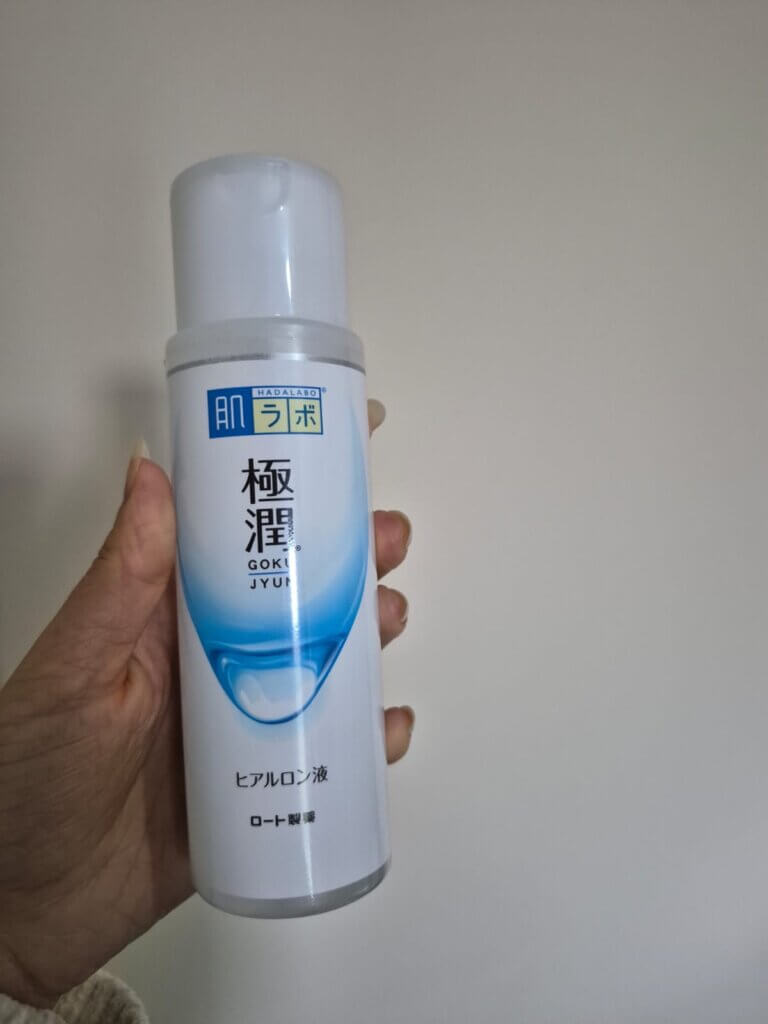
- Sensitive skin: panthenol, oat extract, niacinamide (in low concentrations)
Bonus tip: Apply to damp skin to seal in extra moisture.
5. Sleeping with Makeup On
We’ve all been there: you come home exhausted and the bed feels like a magnet. But your skin does its best work while you sleep, and a layer of foundation is basically an uninvited guest at the party. Your future self will thank you for those 2 minutes at the sink!
Why it Matters
Makeup traps dirt, oil, and pollutants. If left on overnight, it may contribute to congestion and may affect your skin’s natural balance, which is most active while you sleep. Long-term, this can contribute to blemishes, dullness, and premature aging.
What to do Instead
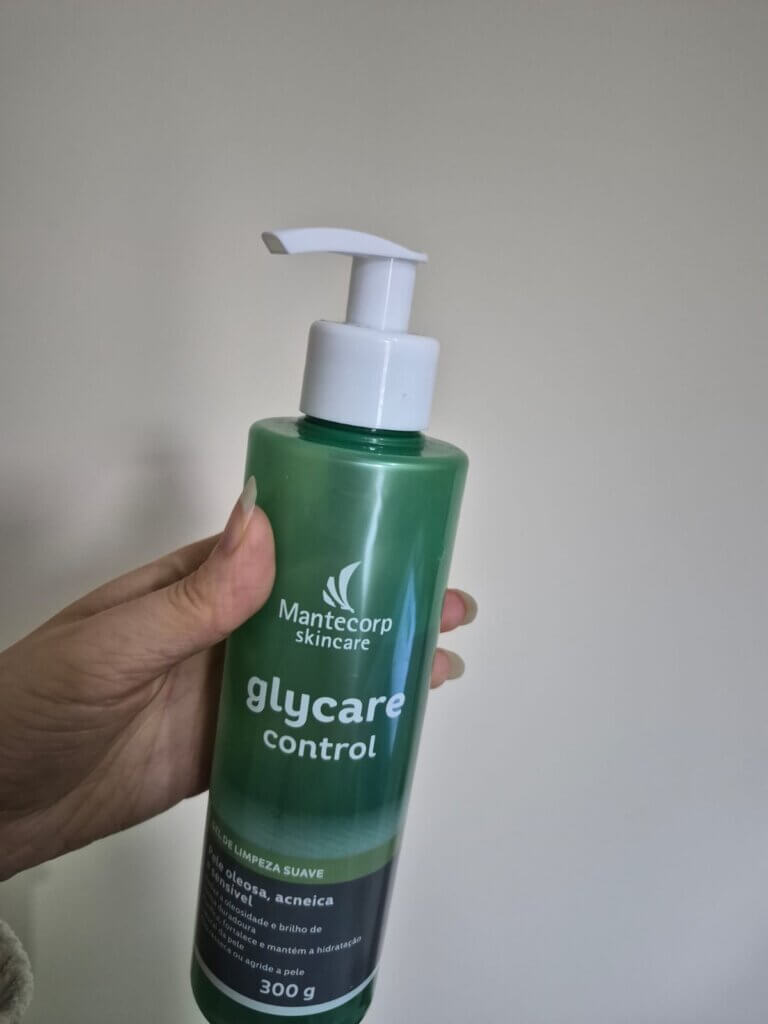
Always double cleanse before bed. Start with a cleansing balm or oil to remove makeup, followed by a gentle water-based cleanser. If you’re exhausted, micellar water is better than nothing, but make it a backup, not your go-to.
6. Not Cleaning Makeup Brushes
Why it Matters
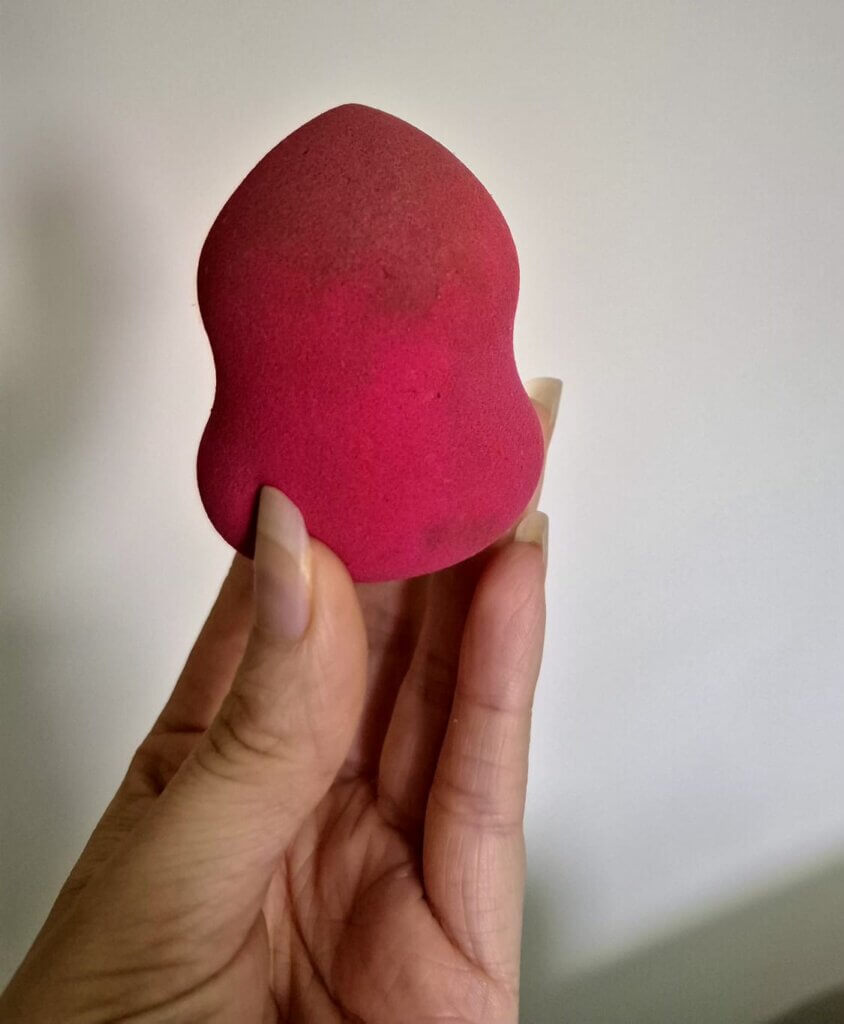
Brushes and sponges collect impurities, oil, and product buildup over time. Using them without regular cleaning can transfer that buildup to your skin, wich may lead to blemishes and sensitivity.
What to do Instead
Clean brushes weekly with gentle soap or brush cleanser. Rinse thoroughly and air dry. Replace makeup sponges monthly if used frequently.
Extra reminder: Wash your hands before applying any skincare or makeup.
7. Ignoring the Neck and Hands
Why it Matters
Stopping your routine at the jawline is another one of those skincare mistakes that are affecting your glow, as your neck and chest will show signs of aging much faster. These areas are constantly exposed to the sun and environmental stress, yet they’re often skipped in skincare routines. As a result, they tend to show signs of sun damage faster than the face.
What to do Instead
Extend your full skincare routine (including sunscreen) to your neck, chest, and hands. Don’t forget to moisturize them, too.
Bonus tip: Wear hand cream with SPF during the day, especially when driving.
8. Not Drinking Enough Water
Why it Matters
Dehydration affects your entire body, including your skin. When you’re not drinking enough water, your skin can look dull, feel tight, and appear less plump, all of which exaggerate signs of agging.
What to do Instead
Though this varies depending on your activity level and climate. Add hydrating foods to your meals like cucumber, watermelon, celery, and oranges.
Extra tip: Use hydrating skincare with humectants like hyaluronic acid to support hydration from the outside, too.
9. Constantly Switching Products
Why it Matters
Patience is key; constantly switching products is one of those skincare mistakes that are affecting your glow because your skin never gets a chance to adapt. Trying too many new products at once can confuse and stress your skin. It also makes it impossible to track what’s actually working. This cycle of over-caring and over-correcting often leads to sensitivity and slower results.
What to do Instead
Introduce only one new product every 2 to 4 weeks. Stick to a routine for at least 4 to 6 weeks before deciding if it’s working.
Extra advice: Keep a skincare journal to track your skin’s response and visible changes.
10. Using Harsh Products
Why it Matters
Cleansers with high pH, toners with alcohol, or scrubs with jagged particles can affect your skin’s protective barrier. This often results in immediate discomfort, like increased sensitivity, redness, and a feeling of tightness.
What to do Instead
Use gentle, balanced products:
- Sulfate-free cleansers
- Alcohol-free toners
- Fragrance-free moisturizers
Good rule of thumb: If your skin feels tight or stings, the product is too harsh.
11. Forgetting to Reapply Sunscreen
Why it Matters
Sunscreen breaks down over time, especially with sweat, sun exposure, and oil production. Failing to reapply leaves your skin unprotected.
What to do Instead
Reapply SPF every 2 hours when outdoors. Use sunscreen sticks or mists over makeup for convenience.
12. Skipping Nighttime Skincare
Why it Matters
When you don’t treat your skin before bed, you’re making one of the skincare mistakes that are affecting your glow by missing the peak window for cellular repair. Your skin follows its own natural rhythm, with nighttime being a key period for rest and rebalancing. Skipping your evening routine means missing a prime opportunity to actively support your skin with targeted care and nourishment.
What to do Instead
In the evening, focus on:
- Gentle cleansing
- Hydrating or repairing serums
- Nourishing moisturizers
- Optional products like retinol or peptides (if your skin tolerates them)
13. Not Updating Your Routine as You Age
Why it Matters
Whith age , your skin produces less oil and collagen. What worked at 25 may not suit you at 40.
What to do Instead
Adapt your skincare to focus more on hydration, firmness, and protection. Add ingredients like:
- Peptides
- Ceramides
- Retinol (used carefully)
- Antioxidants like vitamin C or ferulic acid
14. Applying Products in the Wrong Order
Why it Matters
Applying products in the incorrect sequence is a technicality that ranks high on the list of skincare mistakes that are affecting your glow. Using products in the wrong sequence can prevent them from working or cause them to irritate your skin.
What to do Instead
Apply products from thinnest to thickest:
- Cleanser
- Toner (optional)
- Serums
- Eye cream
- Moisturizer
- Sunscreen (daytime only)
Let each layer absorb before adding the next.
15. Overusing DIY Skincare
Why it Matters
While I love natural beauty, overusing harsh DIY ingredients is one of the skincare mistakes that are affecting your glow that can lead to irritation. Natural doesn’t always mean safe. Ingredients like lemon juice, apple cider vinegar, and baking soda can disrupt your skin’s pH and cause sensitivity.
What to do Instead
Stick with professionally formulated products. If you enjoy DIY, use gentle ingredients like honey, oatmeal, or yogurt, and always patch test first.
Final Thoughts
By being mindful of these skincare mistakes that are affecting your glow, you can ensure your routine is actually working for you, not against you. Skin damage and premature aging doesn’t happen overnight; it’s the result of small daily habits that add up over time. Fortunately, the same is true for prevention. By avoiding these common skincare mistakes and committing to consistent, gentle, protective care, you can maintain smoother, comfortable, and radiant skin for years to come.
Great skin isn’t about perfection. It’s about understanding what your skin needs, making smarter choices every day.
Disclaimer:
This content is for general informational purposes only. Always consult a qualified dermatologist or healthcare professional for personalized guidance.