
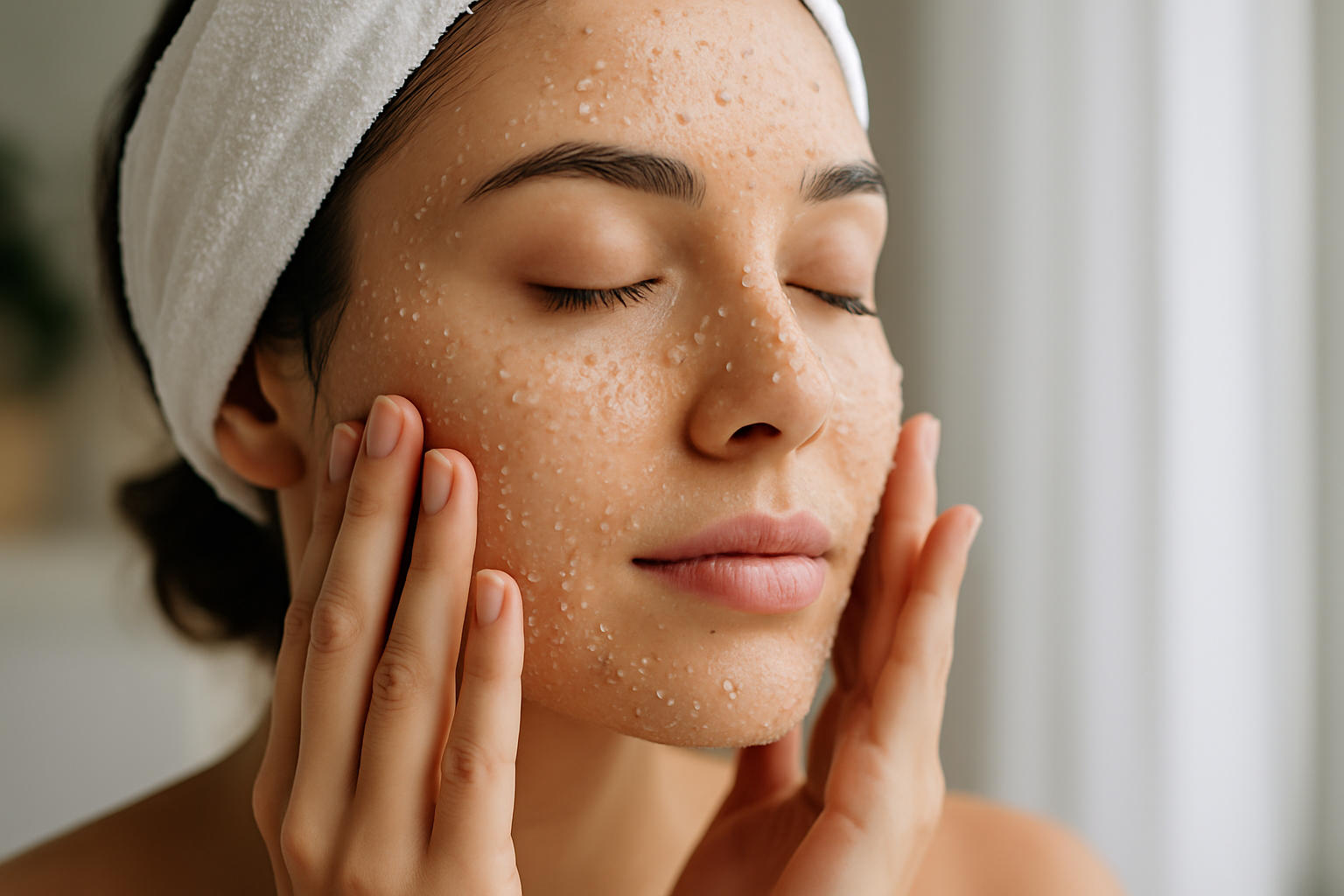
Learning how to exfoliate your skin without over-stressing the barrier is essential for achieving a glow without compromising your skin health. Exfoliation is one of the most beneficial steps in any skincare routine, but only when done correctly. When approached thoughtfully, exfoliation helps clear away dead skin cells, smooth rough texture, and reveal a brighter complexion. But over-exfoliating or using the wrong methods can lead to redness, irritation, blemishes, and Transepidermal Water Loss (TEWL) to the barrier.
This complete guide breaks down how to exfoliate safely, how often to do it based on your skin type, which ingredients and methods are best for you, and how to avoid the most common mistakes.
Does Exfoliating Disrupt the Skin Barrier?
To exfoliate your skin without over-stressing the barrier, you must first understand how your skin naturally sheds dead cells. Your skin naturally sheds dead cells every 28 to 40 days, depending on age and environmental conditions. However, this process can slow down or become uneven due to factors like pollution, stress, weather changes, and product buildup. When dead skin cells accumulate, they can help minimize buildup inside pores, dull your complexion, and prevent your skincare products from penetrating effectively.
Exfoliating helps remove that top layer of dead skin cells, helping refresh the skin’s surface appearance and support the overall appearance of clearer skin. Some of the benefits include:
- Smoother texture
- Improved skin tone
- Unclogged pores
- Supports a clearer-looking complexion
- Better absorption of skincare products
- Brighter, more radiant skin
But too much exfoliation, or the wrong kind, may over-stress the skin barrier, resulting in visible redness, sensitivity, and the skin may become more reactive.
The Two Main Types of Exfoliation
Whether you choose physical or chemical methods, the goal is to exfoliate your skin without over-stressing the barrier by avoiding harsh friction.
1. Physical Exfoliation (Manual)
This method involves physically removing dead skin with friction. It can come from gritty substances, exfoliating tools, or brushes.
Common examples:
- Sugar scrubs
- Microbead cleansers (now banned in some regions)
- Facial brushes or silicone tools
- Washcloths or konjac sponges
Best for:
- Oily or combination skin (in moderation)
- People who prefer a more “instant” smooth feeling
What to sidestep:
- Large, jagged particles like crushed walnut shells or apricot pits, which may cause surface discomfort
- Overuse, especially for sensitive or skin prone to blemishes.
2. Chemical Exfoliation (Non-Manual)
Chemical exfoliants work by weakening the desmosomes to facilitate desquamation between dead skin cells so they can be shed more easily. These are more precise, less abrasive, and highly effective when used correctly.
Types of chemical exfoliants:
- Alpha Hydroxy Acids (AHAs): Glycolic acid, lactic acid, mandelic acid – great for dry skin, when the barrier feels unsettled or stressed
- Beta Hydroxy Acid (BHA): Salicylic acid – ideal for oily or skin prone to blemishes due to its oil-soluble nature
- Enzymes: Derived from fruits like papaya (papain) and pineapple (bromelain) – a gentle option for sensitive skin
How to Choose the Right Exfoliation Method for Your Skin
Each skin type requires a different approach to exfoliate your skin without over-stressing the barrier, especially for those with sensitive or dry complexions. Understanding your skin type is essential to choosing the right method and frequency of exfoliation.
Oily Skin
- Can handle more frequent exfoliation (2–3 times per week)
- Benefits of salicylic acid to clean out pores
- Gentle physical exfoliation is may be tolerable, but chemical is generally safer
Dry or Dehydrated Skin
- Use chemical exfoliants with lactic acid (AHA) once a week
- Avoid scrubs or physical tools that strip the barrier
- Always follow with intense hydration
Sensitive Skin
- Opt for enzyme exfoliants or mandelic acid (gentler AHA)
- Use 1x every 10–14 days
- Avoid physical exfoliation unless it’s ultra-gentle (e.g., oatmeal-based)
It is much harder to exfoliate your skin without over-stressing the barrier when your complexion is naturally reactive, so sticking to enzymes is the safest path.
Skin Prone to Blemish
- Salicylic acid is a popular choice for those looking to manage the appearance of blemishes.
- Stick to 1–2 times per week to prevent irritation
- Avoid scrubbing or picking at blemishes, as this can lead to more visible redness and irritation
Combination Skin
- Use different products on different zones (e.g., BHA on T-zone, AHA on cheeks)
- Alternate between hydrating and clarifying products
- Exfoliate 1–2 times weekly
Step-by-Step: How to Exfoliate Safely and Effectively
Step 1: Start with a Clean Face
Before exfoliating, remove makeup and cleanse your skin with a gentle cleanser suited to your skin type. Do not use any other products like retinol or vitamin C at this stage; these can increase sensitivity.
Step 2: Apply Your Exfoliant
If using a physical exfoliant:
- Apply to damp skin and massage gently in circular motions
- Avoid harsh rubbing or pressure
- Focus on areas with buildup, but skip delicate areas like under the eyes
- Rinse thoroughly with lukewarm water
If using a chemical exfoliant:
- Apply to dry skin using clean hands or a cotton pad
- Follow the product’s instructions (some are rinse-off, others are leave-on)
- Avoid layering multiple exfoliants in the same routine
Step 3: Soothe and Replenish
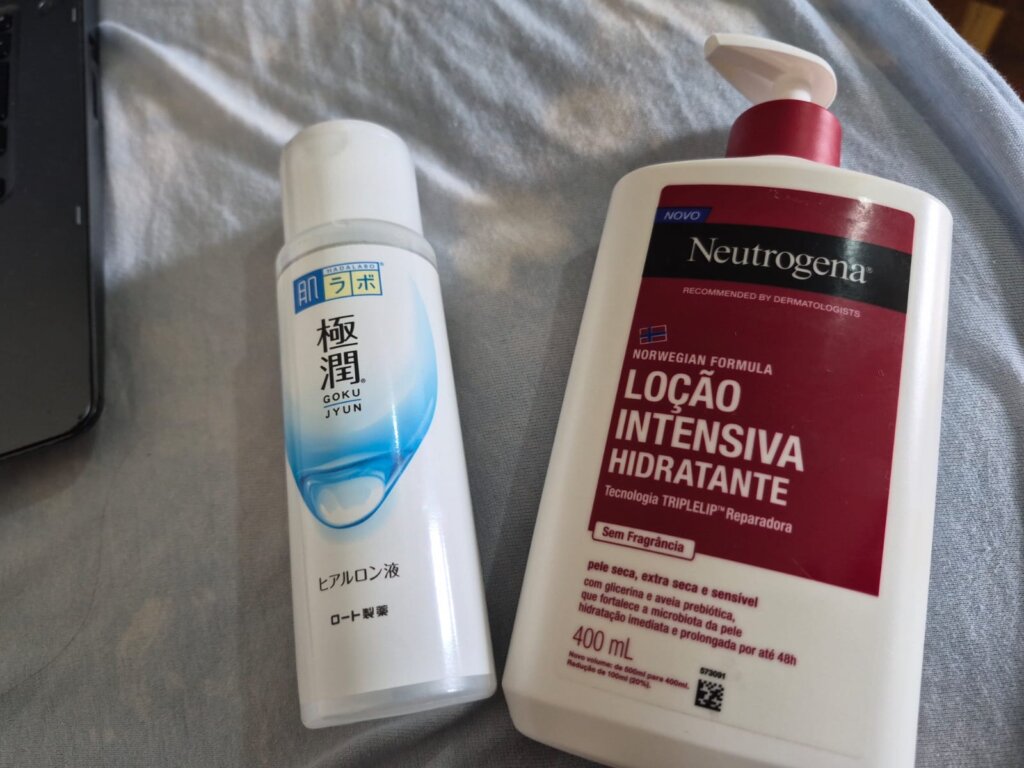
The products you apply immediately after you exfoliate your skin without over-stressing the barrier are the ones that will truly repair and seal in hydration. After exfoliating, your skin is more permeable and can easily absorb nourishing products.
- Use a calming, hydrating toner or essence (aloe vera, centella, rose water)
- Follow with a moisturizer that includes ingredients like: Hyaluronic acid, Panthenol, Ceramides, and Niacinamide (if your skin tolerates it).
Step 4: Protect with SPF (the Next Day)
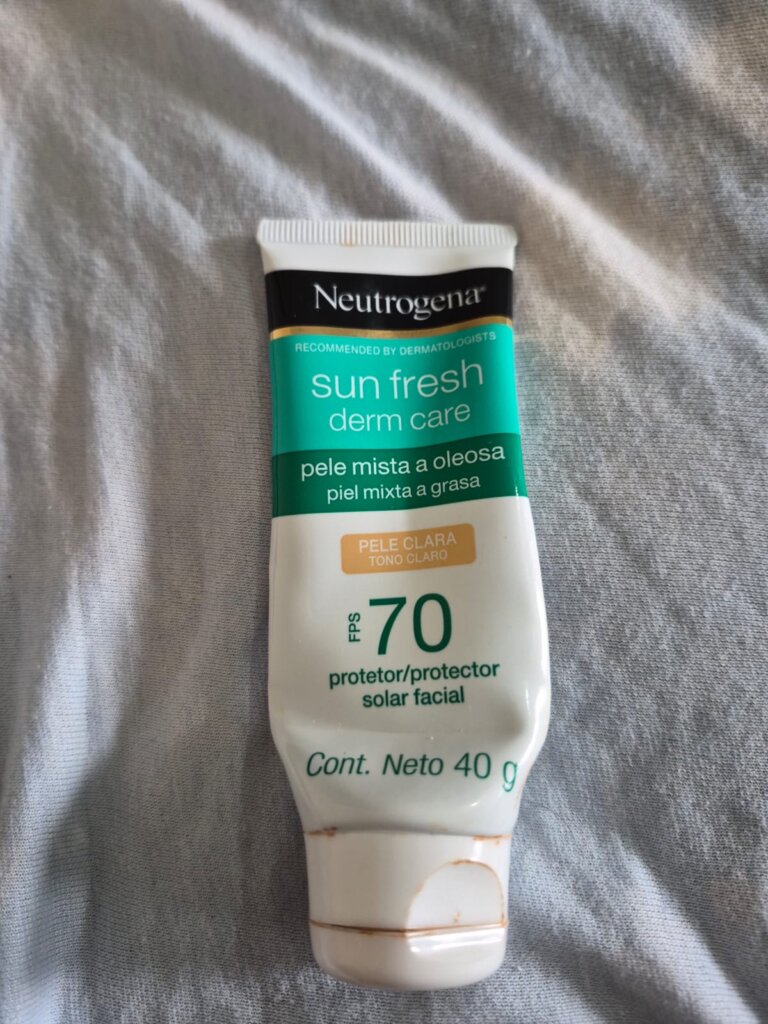
After any kind of exfoliation (especially chemical ), your skin is more susceptible to UV exposure effects. Always apply a broad-spectrum sunscreen with at least SPF 30 the following day (and every day) to prevent sun-related redness.
How Often Should You Exfoliate?
Frequency is key; you cannot exfoliate your skin without over-stressing the barrier if you are doing it every single day. It’s better to exfoliate less often than too much. Here’s a general guideline:
- Oily skin: 2–3 times per week
- Combination/normal skin: 1–2 times per week
- Dry or sensitive skin: Once a week or even every 10–14 days
- Using high-potency formulas (retinoids, acids): Once per week max to avoid overloading your skin
Signs that you are Over-Exfoliating
If you fail to exfoliate your skin without over-stressing the barrier, you will notice persistent redness and a plastic-like shine. Pay attention to your skin’s feedback. If you notice any of the following, reduce or pause exfoliation:
- Persistent redness
- Intense discomfort
- Tightness or flaking
- Sudden blemishes or increased oiliness
- Increased sensitivity to sunlight
Pause exfoliation and shift your focus to hydrating and rebalancing products to help your skin regain equilibrium.
Safe Practices and Best Tips
- Patch test all new exfoliating products
- Don’t exfoliate after waxing or shaving
- Avoid combining physical and chemical exfoliants in the same session
- Avoid exfoliating if your skin is feeling sensitive, irritated, or after sun exposure. Let it calm down first
- Always follow with hydration
- Invest in SPF, it’s your skin’s best friend
Final Thoughts: When Done Carefully, Exfoliation Reveals Smoother, Brighter Skin
Mastering the art to exfoliate your skin without over-stressing the barrier will transform your results and keep your skin resilient. Exfoliation is a game-changing step in skincare, but only if done with care and intention. Less is often more, and consistency will deliver better results than overuse. Whether you prefer natural ingredients or lab-tested acids, the key is to understand your skin’s needs and respect its limits.
Done right, exfoliation can enhances your glow, smooths your texture, and unlocks the full power of your skincare routine. Done wrong, it sets you back. Start slowly, listen to your skin and let your complexion shine through, naturally.
FAQ (Frequent Questions)
Can I exfoliate if I have active breakouts? Be careful! Physical scrubs can irritate active pimples and spread bacteria. Instead, opt for a chemical exfoliant with Salicylic Acid (BHA), which penetrates the pores to treat the source of the breakout without the need for harsh rubbing.
Is it better to exfoliate in the morning or at night? Nighttime is ideal. Exfoliation makes your skin more sensitive to UV rays. By doing it in the evening, you allow your skin to recover in the dark, but you must still apply a broad-spectrum SPF 30+ the following morning to prevent sun damage.
Can I use Vitamin C and an exfoliant together? It’s risky. Both are potent actives and can overwhelm the skin. To exfoliate your skin without over-stressing the barrier, use them in separate routines—Vitamin C in the morning and your exfoliant in the evening.
What should I do if my skin feels “on fire”? Stop all actives immediately! This is a clear sign of a compromised moisture barrier. Focus only on a gentle cleanser and a ceramide-rich moisturizer for at least two weeks until your skin regains its equilibrium and comfort.
Disclaimer:
This content is for general informational purposes only. Always consult a qualified professional for guidance related to your individual needs.