
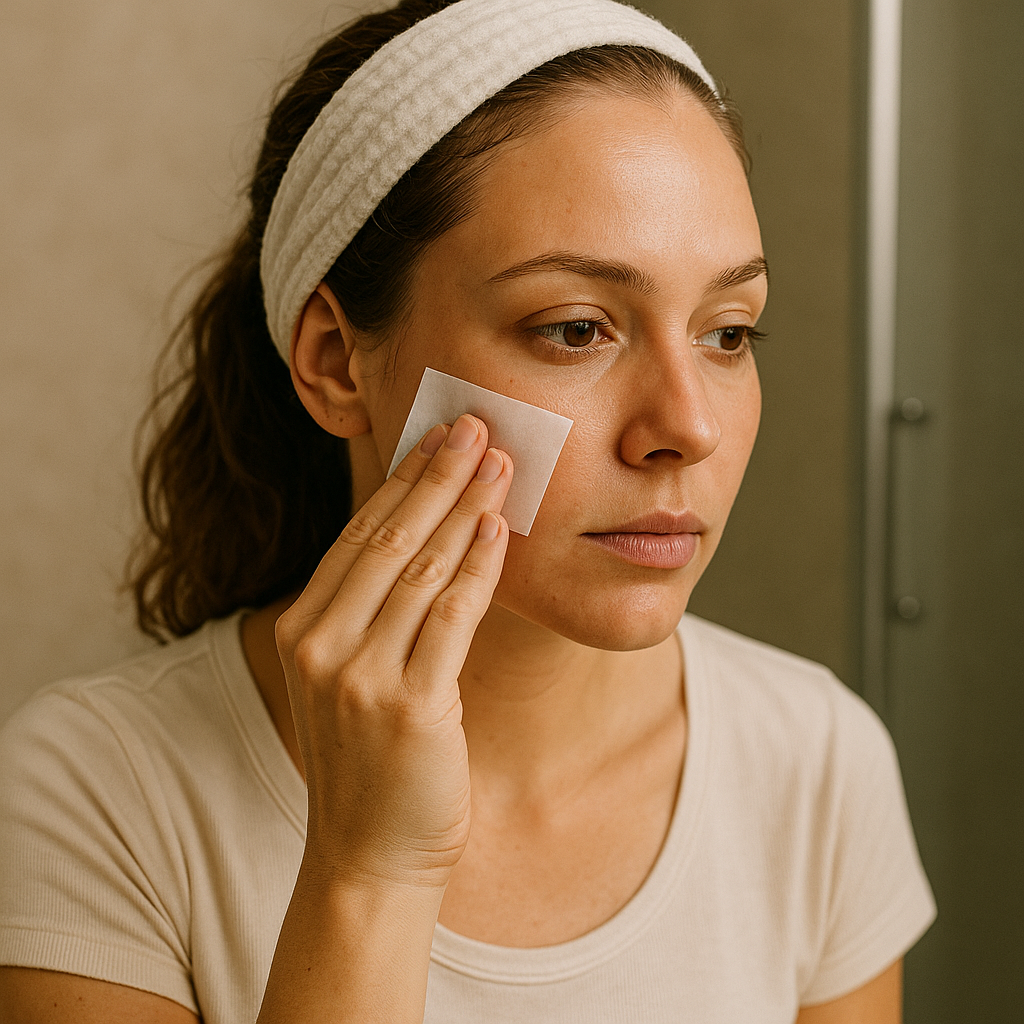
If you have oily skin, you’re not alone and you’re certainly not stuck with it. Finding the right skincare for oily skin is incredibly common and often misunderstood. While that mid-day shine, and frequent skin concerns can be discouraging, oily skin also has a secret upside: it tends to show visible signs of aging more gradually. The key is learning how to work with your skin, not against it.
By building a targeted skincare routine and making a few smart lifestyle choices, you can help manage surface oil, minimize the appearance of bs, and support a smoother-looking complexion, more balanced skin.
What Causes Oily Skin?
Understanding what triggers your skin can help you customize your skincare for oily skin to manage the oil without overcorrecting. Oily skin happens when your sebaceous glands (the ones responsible for producing sebum) become more active than usual. Sebum isn’t bad, in fact, it’s essential for protecting and hydrating your skin. But when your body produces too much, it can feel heavy on the skin, may contribute to buildup on the skin’s surface, and lead to breakouts.
Common triggers of oily skin include:
- Genetics (if your parents had oily skin, chances are you do too)
- Hormonal fluctuation
- Climate and humidity (hot, humid environments increase oil production)
- Skincare misuse (over-cleansing or using abrasive products)
- Skipping moisturizer (yes, that makes it worse, more on that soon)
Understanding what triggers your skin can help you manage the oil without overcorrecting.
Signs You Have Oily Skin
Not sure if your skin qualifies as oily? Here are some common characteristics:
- Shiny or greasy appearance, especially around the T-zone (forehead, nose, chin)
- Enlarged pores, often visible even from a short distance
- Frequent blemishes and congestion
- Makeup tends to shift more easily throughout the day, halfway through the day
- Skin feels greasy just a few hours after cleansing
If you experience at least two or three of these signs regularly, your skin is likely producing more oil than it needs.
Oily Skincare Routine
Managing this skin type is all about creating a balanced, non-irritating skincare for oily skin routine. You want to reduce excess sebum without stripping your skin, which can actually make things worse.
Morning Routine
Step 1: Cleanse
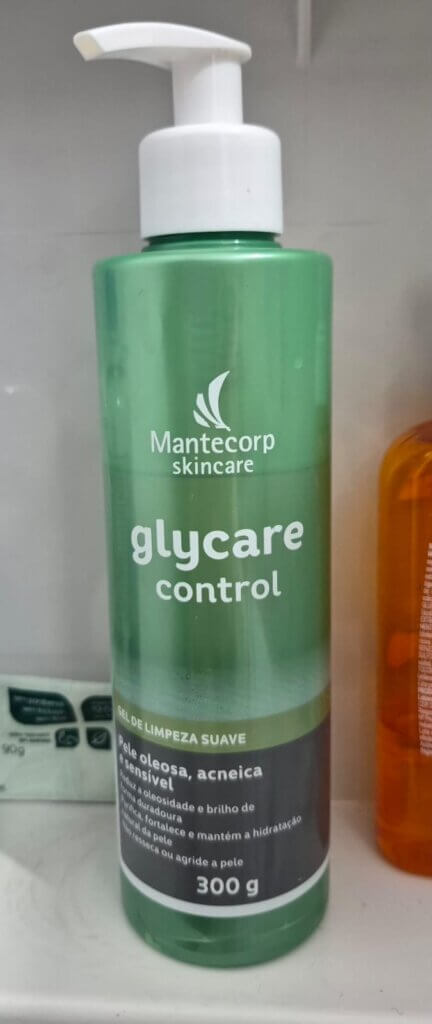
Start your day with a gentle gel or foaming cleanser. Avoid bar soap or anything that leaves your skin feeling “squeaky clean.” That tight sensation usually means your skin barrier has been stripped, leading to even more oil later.
Look for ingredients like:
- Salicylic acid (BHA)
- Zinc PCA
- Diluted tea tree extract
- Niacinamide
Step 2: Toner (Optional)
A good toner helps minimize pores and rebalance the skin. Choose an alcohol-free formula to avoid drying out your face.
Ideal toner ingredients:
- Witch hazel (without alcohol)
- Rose water
- Niacinamide
- Green tea extract
Step 3: Lightweight Serum
When selecting serums as part of your skincare for oily skin, look for lightweight, non-oily formulas that help control shine. Serums deliver concentrated ingredients. For oily skin, look for lightweight, non-oily formulas that help control shine and improve skin texture.
Great serums for oily skin:
- Niacinamide (5–10%)
- Zinc
- Hyaluronic acid (for hydration)
- Vitamin C (for brightening)
Step 4: Oil-Free Moisturizer
This is where many people with oily skin go wrong. Skipping moisturizer causes dehydration, which signals your skin to produce even more oil. Use a non-comedogenic, oil-free moisturizer with a gel or water-based formula.
I used to be that person who skipped moisturizer because I thought my face was ‘hydrated enough’ with its own oil. It took me a long time to realize that my skin was actually thirsty, and by skipping cream, I was just making it produce even more oil. Switching to a gel-based moisturizer was the real game-changer for me!
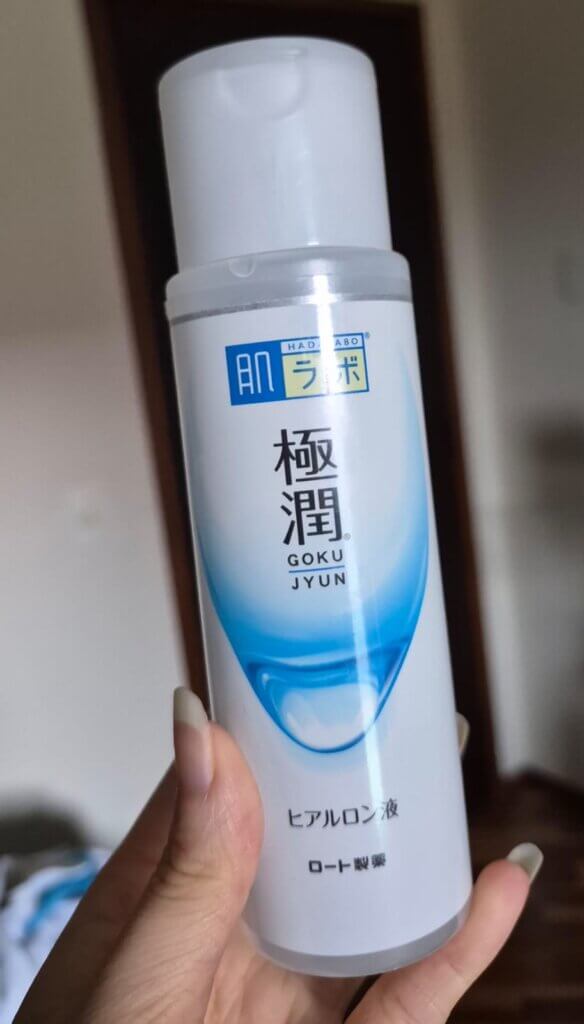
Step 5: Sunscreen
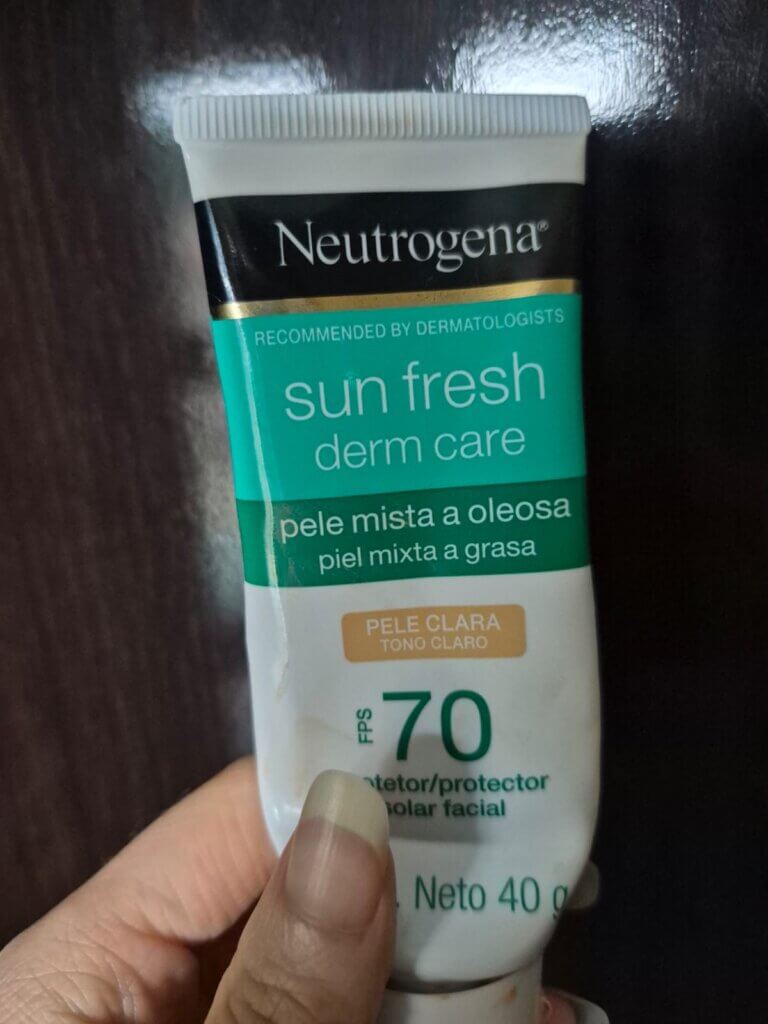
This step is highly recommended. Choose a broad-spectrum SPF 30 or higher. Look for lightweight, matte-finish sunscreens specifically formulated for oily or congestion-prone skin.
Recommended sunscreen types:
- Gel-based SPF
- Mineral sunscreens with zinc oxide
- “Dry touch” or “matte finish” labeled products
Evening Routine
Step 1: Double Cleanse (if wearing SPF or makeup)
Use a cleansing oil, micellar water, or balm to remove SPF and makeup. Follow with your regular cleanser to ensure your pores are clear.
Step 2: Exfoliate (2–3 times per week)
Chemical exfoliants are much better suited for a targeted skincare for oily skin than physical scrubs. Exfoliation helps remove dead skin cells. Chemical exfoliants are better for oily skin than physical scrubs.
Best exfoliants for oily skin:
- Salicylic acid (BHA)
- Glycolic acid (AHA)
- Lactic acid (gentler AHA)
Avoid exfoliating every day; overdoing it affects your skin barrier and can cause rebound oiliness.
Step 3: Clay Mask (1–2 times per week)
Use a clay mask to absorb excess oil and help refresh the skin surface. Using a purifying clay mask 1–2 times per week is an excellent addition to your skincare for oily skin.
Top clays for oily skin:
- Kaolin clay
- Bentonite clay
Apply only to oily areas (T-zone), not your entire face.
Step 4: Specialized Serum Options or Spot-Control Products
At night, your skin goes into its natural renewal mode. This is the time to use targeted products or serums.
Effective nighttime products:
- Retinol (start with a low concentration)
- Tea tree oil (diluted)
- Azelaic acid
- Niacinamide
Step 5: Moisturize Again
Yes, you still need to hydrate your skin at night. Use the same lightweight moisturizer you used in the morning or opt for a slightly richer gel.
What to Ditch When You Have Oily Skin
Knowing what to avoid is just as critical as choosing the correct skincare for oily skin products. To keep your complexion balanced and clear, here is exactly what you need to steer clear of:
- Abrasive scrubs with crushed walnut shells or apricot kernels
- Alcohol-based toners that strip your skin
- Skipping moisturizer (leads to oil rebound)
- Thick, greasy creams
- Touching your face frequently
- Sleeping with makeup
- Heavy foundations that may congest
Makeup Tips for Oily Skin
If you wear makeup and have oily skin, these tips can make a huge difference:
- Use a mattifying primer to control shine
- Choose oil-free, long-wear foundations
- Set your foundation with translucent powder
- Keep blotting papers handy throughout the day
- Always remove your makeup completely before bed
What Actually Works for Oily Skin?
1. Watch your diet: Some people notice differences in their skin when consuming certain foods. Focus on whole foods, fruits, and veggies.
2. Stay hydrated: Dehydration can cause your body to produce more oil to compensate.
3. Get enough sleep: Poor sleep increases cortisol, which can lead to excess oil and blemishes.
4. Wash pillowcases and towels regularly: They absorb oil and impurities from your face every night.
Final Thoughts: The Goal Is Balance
A good skincare for oily skin routine is simple, consistent, and focused on supporting your skin’s natural rhythm. Oily skin doesn’t mean it’s “bad”. It simply means your body produces more sebum than it needs. Instead of trying to strip away every bit of oil, aim to create balance by keeping your skin hydrated, clear, and calm.
A good skincare routine for oily skin is simple, consistent, and focused on supporting your skin’s natural rhythm. Be patient, choose products carefully, and give your routine time to work. With the right approach, you can enjoy smooth, fresh-looking skin with fewer blemishes and far less shine.
FAQ (Frequents Questions)
- Why does my skin get oily if I don’t use moisturizer? When you skip moisturizer, your skin becomes dehydrated (lacks water). To compensate for the dryness, your sebaceous glands produce even more sebum. Using an oil-free, gel-based moisturizer prevents this rebound oiliness.
- Can I use salicylic acid every day for oily skin? While salicylic acid (BHA) is excellent to clear clogged pores, using it daily can over-stress the barrier. Limit chemical exfoliation to 2–3 times a week and always pair it with a gentle cleanser to avoid irritation.
- Is double cleansing necessary for oily skin? Yes, especially in the evening! The first step (oil or micellar water) breaks down sebum, makeup, and waterproof sunscreen. The second step with a gentle cleanser actually purifies the skin and prevents active breakouts.
- Why does my makeup slide off halfway through the day? Excess sebum breaks down makeup pigments. To prevent this, always prep with a mattifying primer, use oil-free formulas, and set your face with translucent powder. Keep blotting papers handy for quick touch-ups.
Disclaimer:
The information provided in this article is for general informational purposes only and is not medical advice. Skincare products and ingredients can work differently for each person. Always patch test new products and consult a qualified dermatologist or healthcare professional if you have specific concerns, persistent irritation, or questions about your skin.