
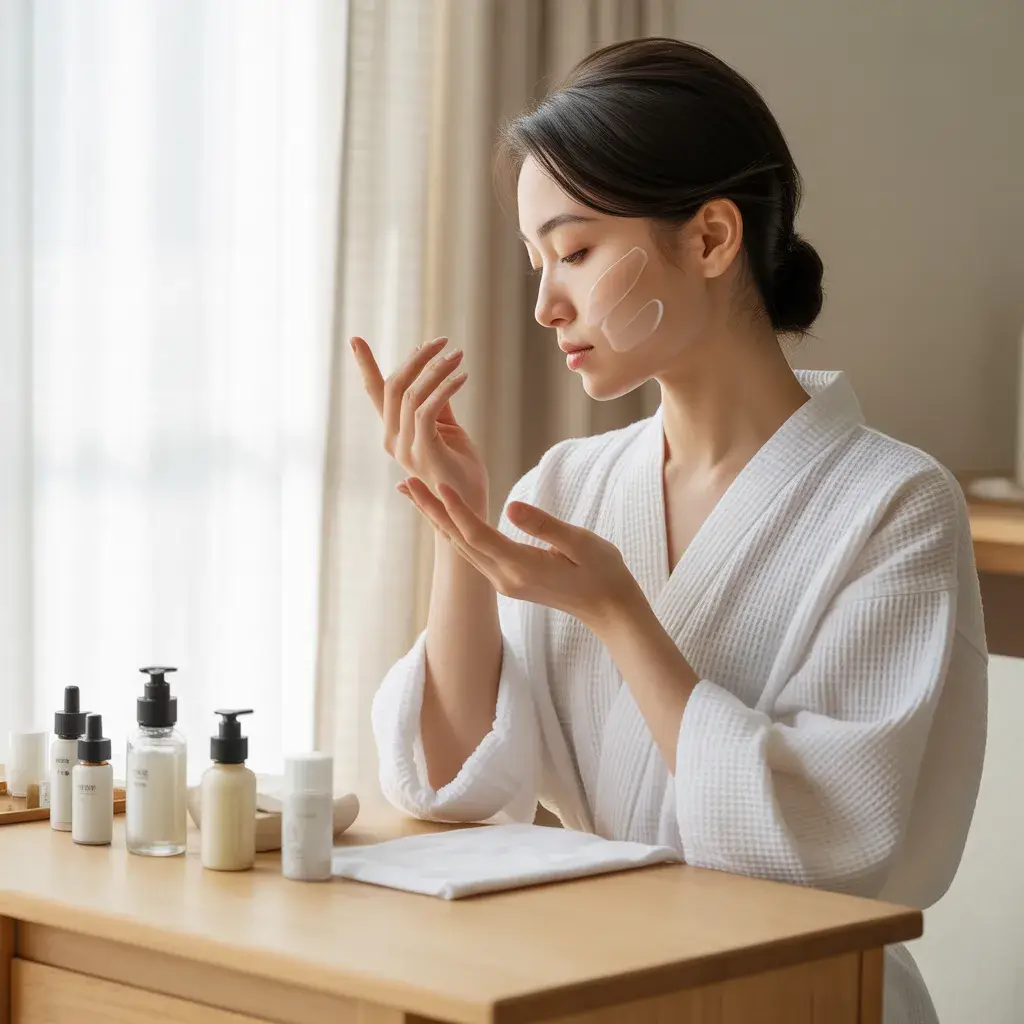
Starting a new skincare routine feels like a step toward better skin, until you suddenly notice the appearance of breakouts and start questioning if the product is helping or causing issues. Distinguishing between skin purging vs breakouts is one of the most confusing challenges in a beauty routine.
This comprehensive guide will help you identify the signs of skin purging vs breakouts , how to test products safely, and what to do when your skin reacts negatively. Additionally, I’ll share a personal account of a temporary skin purging phase I experienced after using a Vitamin C serum.
Why Reactions Can Happen with New Products
The skin is a dynamic and responsive part of your body. Introducing new products (even beneficial ones) can lead to temporary reactions. In some cases, this is part of the adjustment process. In others, it’s a sign that your skin is reacting poorly to an ingredient or formulation.
Understanding how your skin normally behaves is essential when evaluating a product’s impact. If your skin typically stays clear but suddenly develops the apparence of breakouts in unusual areas, it could be more than a temporary skin adaptation phase.
My Personal Testing Journey
I remember the first time I tried a potent Vitamin C serum. Within three days, I noticed the appearance of small bumps on my chin. I panicked and almost threw the bottle away, thinking it was a sign of sensitivity.
However, I decided to wait and observe. Since these reactions were only in my usual “breakout zones” and didn’t feel uncomfortably tight or sensitive, I realized my skin was just going through a temporary purging phase. Two weeks later, my complexion cleared, and my skin looked more radiant than ever. This experience taught me the importance of patience and observing how my skin actually looks instead of reacting in fear.
Skin Purging vs Breakouts
Skin purging is a natural response when your skin is adjusting to ingredients that support a faster surface cell turnover, such as exfoliating acids or retinoids. These ingredients help improve the appearance of skin texture more quickly, which can bring existing imperfections to the surface before the overall complexion improves.
A skin’s adaptation phase usually:
- Happens in areas where you commonly experience changes
- Begins shortly after starting a product with active ingredients
- Leads to the temporary appearance of minor imperfections or visible clogged pores
- This adjustment period typically lasts several weeks for many users
- Leads to overall improvement in texture and clarity
On the other hand, a reaction in your skin signals that something in the product is not working well for you. This might be due to pore-clogging ingredients, a signs of sensitivity, or general sensitivity.
Signs that it’s not a skin’s adaptation phase include:
- The appearance of minor imperfections or clogged pores in new, unusual areas
- Visible redness, a temporary feeling of irritation
- Skin feeling tight or increasingly sensitive
Ingredients That May Trigger Visible Skin Responses
Some ingredients are more likely to cause clogged pores or visible sensitivity, especially for breakout-prone or sensitive skin.
Ingredients that may not work for all skin types:
- Coconut oil
- Shea butter (for some skin types)
- Isopropyl myristate
- Lanolin
- Algae extract
Ingredients to avoid:
- Synthetic fragrance
- Strong essential oils (like citrus, lavender)
- Alcohol denat
- Menthol and eucalyptus
- Artificial dyes or colorants
Just because an ingredient is natural doesn’t mean it’s gentle. Always check how your skin reacts to new components, especially in high formulas.
How to Identify if a Product is Right for You
When you notice unexpected texturing in your skin’s appearance, it can be hard to pinpoint the cause.
Here is how to identify whether a new product is responsible:
Stop using the suspected product
If your skin starts improving within a few days of removing it, that’s a good sign you found the cause.
Introduce one product at a time
If you’re testing multiple items, it becomes impossible to know which is causing issues. Stick to adding one new item every 1–2 weeks.
Patch test before full use
Apply a small amount behind your ear or along your jawline for a few days. Watch for signs of sensitivity, such as redness, bumps, or a tingling sensation.
Keep a skincare journal
Note the date you started using each product and any changes to your skin. This helps you track patterns and responses over time.
Use ingredient check tools
Apps like INCIDecoder, CosDNA, and Skincarisma allow you to input products and see if they contain specific or pore clogging ingredients.
What to Do If a Product Is Causing Reactions
If you’re confident that a product is triggering reactions, here’s how to manage the situation and support your skin’s return to balance:
- Discontinue use of the product
- Simplify your routine to focus on calming and hydrating ingredients
- Avoid exfoliation or potent formulas for at least a week
- Use calming products containing niacinamide, panthenol, centella asiatica, or colloidal oatmeal
- Use a soothing moisturizer with ceramides and glycerin
During return to balance, less is more. Over-caring sensitive, skin can lead to more redness and slower soothing.
When to See a Dermatologist
Sometimes reactions aren’t caused by a product at all. It may be helpful to consult a dermatologist or a qualified professional if your skin:
- Continues to show unexpected texturing even after you stop using the product
- Shows persistent signs of sensitivity or reactivity
- Experiences more noticeable changes in texture or appearance
- Becomes increasingly red or feels consistently tight
A dermatologist can help identify if your skin’s response is due to a product or an underlying skin type need that requires professional guidance.
How to Avoid Product-Related Temporary Changes
Support starts with being selective and intentional with your skincare choices. To minimize risk:
- Don’t overhaul your entire routine at once
- Start new products slowly (once every few days)
- Stick to trusted brands and minimal ingredient formulas
- Avoid layering multiple productss in the same routine
- Choose non-comedogenic and fragrance-free products if you are prone to breakouts or have a sensitive skin type.
The goal is to introduce new items with awareness and give your skin time to adapt.
Final Thoughts
Reactions from new skincare aren’t uncommon, but knowing how to differentiate between skin purging vs breakouts is key to supporting your skin. The more in tune you are with your skin’s needs and behavior, the easier it becomes to make informed decisions.
If a product doesn’t align with your skin’s needs, don’t feel like you’ve failed. Testing skincare is part of the process. Prioritize gentle, barrier-supportive products and observe how your skin responds over time.
Frequently Asked Questions About Skin Purging
Can a basic hydrating face cream cause my pores to experience a purge?
No. Hydrating moisturizers, oils, and cleansers do not contain active ingredients that speed up cell turnover, so they cannot cause purging. If a basic hydrating lotion triggers a wave of bumps, it is a clear sign of a pore-clogging product reaction.
How long should I wait for a temporary skin purge to clear up naturally?
A typical skin purge aligns with your natural cellular renewal cycle, usually lasting between four to six weeks. If your surface texture continues to decline or stays highly inflamed after a month of consistent use, it is likely a negative reaction.
Which specific skincare ingredients are known to trigger a true skin purge?
True skin purging is strictly triggered by active ingredients that accelerate cellular exfoliation and surface turnover. The most common examples include retinoids (like retinol), alpha-hydroxy acids (glycolic, lactic), and salicylic acid.
What is the main identifying factor when comparing skin purging vs breakout?
The primary identifying factor in skin purging vs breakouts is location. Purging only occurs in specific zones where your skin naturally congests and breaks out often, whereas a negative product reaction creates completely new bumps in unusual areas.
Disclaimer: This content is for general informational purposes only and is not intended as medical or dermatological advice. Always patch-test new products and consult a qualified professional if you have persistent skin concerns or reactions.